781 Featured Specimen
Gaur

Details

Gaur

Bos gaurus

Size
2.5–3.3 m · 0.7–1 t
Diet
Herbivore
Activity
Cathemeral
Sociality
Herd
Lifespan

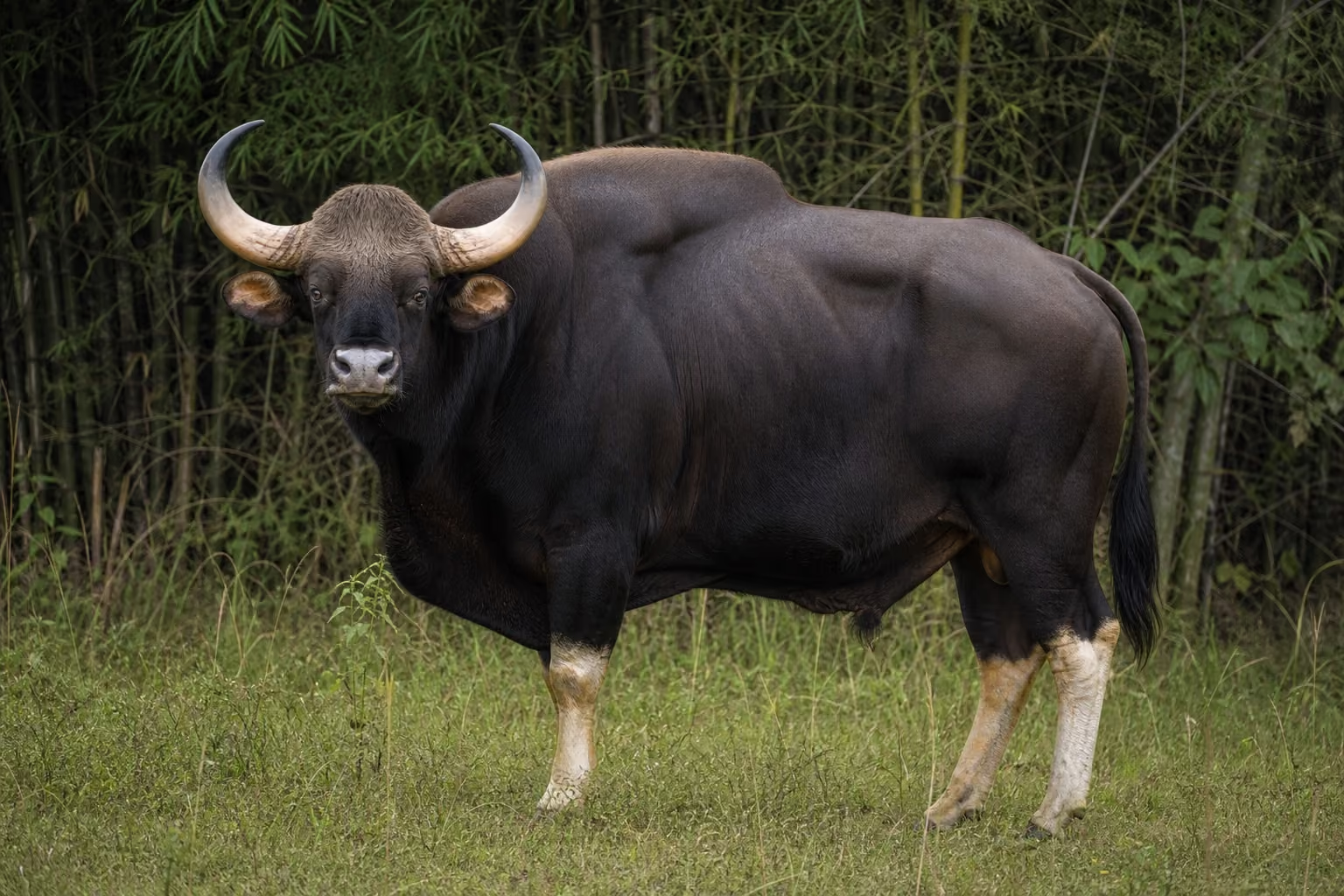
One of the largest wild cattle, native to South and Southeast Asian forests. High shoulders, dark body, pale legs, and heavy horns identify it.
Range

Habitat range map
Native range Occasional / Transient
IndomalayanIndomalayanIndomalayanIndomalayanIndomalayanIndomalayanIndomalayanIndomalayanIndomalayanIndomalayanIndomalayanIndomalayanIndomalayanIndomalayanIndomalayan

Map: Ecoregions 2017 © RESOLVE (CC BY 4.0) · Natural Earth (PD)

Details

Habitat

Gaur use evergreen forest, deciduous forest, bamboo forest, and grassy forest edges. They need access to both grazing areas and cover.

Appearance

Adult males are massive, dark brown to black, with a high shoulder ridge and pale lower legs. Females are smaller and often lighter.

Behavior

They live in small herds and forage by day or night. Adults can defend themselves against large predators when grouped.

Feeding

They eat grasses, bamboo, leaves, shoots, and fruit. Wet seasons favor fresh grass, while dry seasons increase browsing and bamboo use.

Reproduction

Females give birth to a single calf protected within the herd. Males often approach female groups during breeding periods.

Notes

Habitat conversion, disease from livestock, and hunting affect populations. Gaur are also important prey for tigers.