780 Featured Specimen
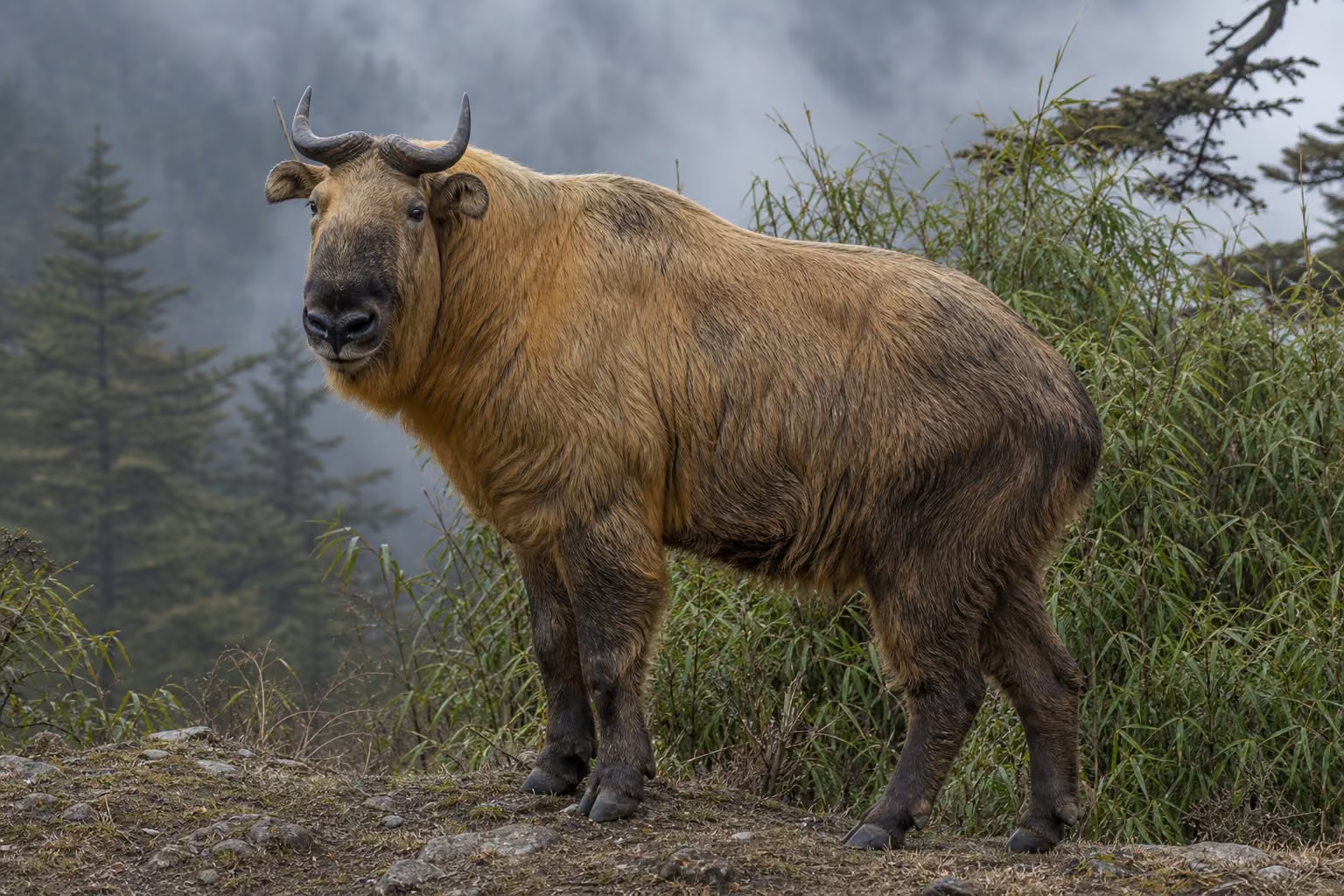
Takin

Details

Takin

Budorcas taxicolor

Size
1.7–2.2 m · 150–350 kg
Diet
Herbivore
Activity
Diurnal
Sociality
Herd
Lifespan

A large mountain bovid from the eastern Himalaya and Chinese mountains. Stocky build, thick fur, and heavy curved horns make it distinctive.
Range

Habitat range map
Native range Occasional / Transient
PalearcticPalearcticPalearcticPalearcticPalearcticPalearcticPalearcticPalearcticPalearcticPalearcticPalearcticPalearcticPalearcticPalearcticPalearcticPalearcticPalearcticPalearcticPalearcticPalearcticPalearcticPalearcticPalearcticPalearcticIndomalayanIndomalayanIndomalayanIndomalayanIndomalayanIndomalayanIndomalayanIndomalayanIndomalayanIndomalayanIndomalayanIndomalayanIndomalayanIndomalayanIndomalayan

Map: Ecoregions 2017 © RESOLVE (CC BY 4.0) · Natural Earth (PD)

Details

Habitat

Takins use mountain forest, bamboo forest, subalpine meadows, and rocky slopes. Seasonal movements often link high summer ranges with forested winter valleys.

Appearance

They have golden to dark brown shaggy fur, a thick neck, swollen-looking muzzle, and large horns. Oily fur helps in cold, wet mountains.

Behavior

They move in herds and can travel powerfully across steep slopes. When alarmed, they retreat into forest and dense vegetation.

Feeding

They eat grasses, bamboo leaves, shoots, tree leaves, shrubs, and bark. Individuals may rear up to reach higher branches.

Reproduction

Males join female groups during the breeding season. Females give birth to a single calf that later follows the herd across slopes.

Notes

The takin is Bhutan's national animal, and mountain forest protection is important for its persistence.