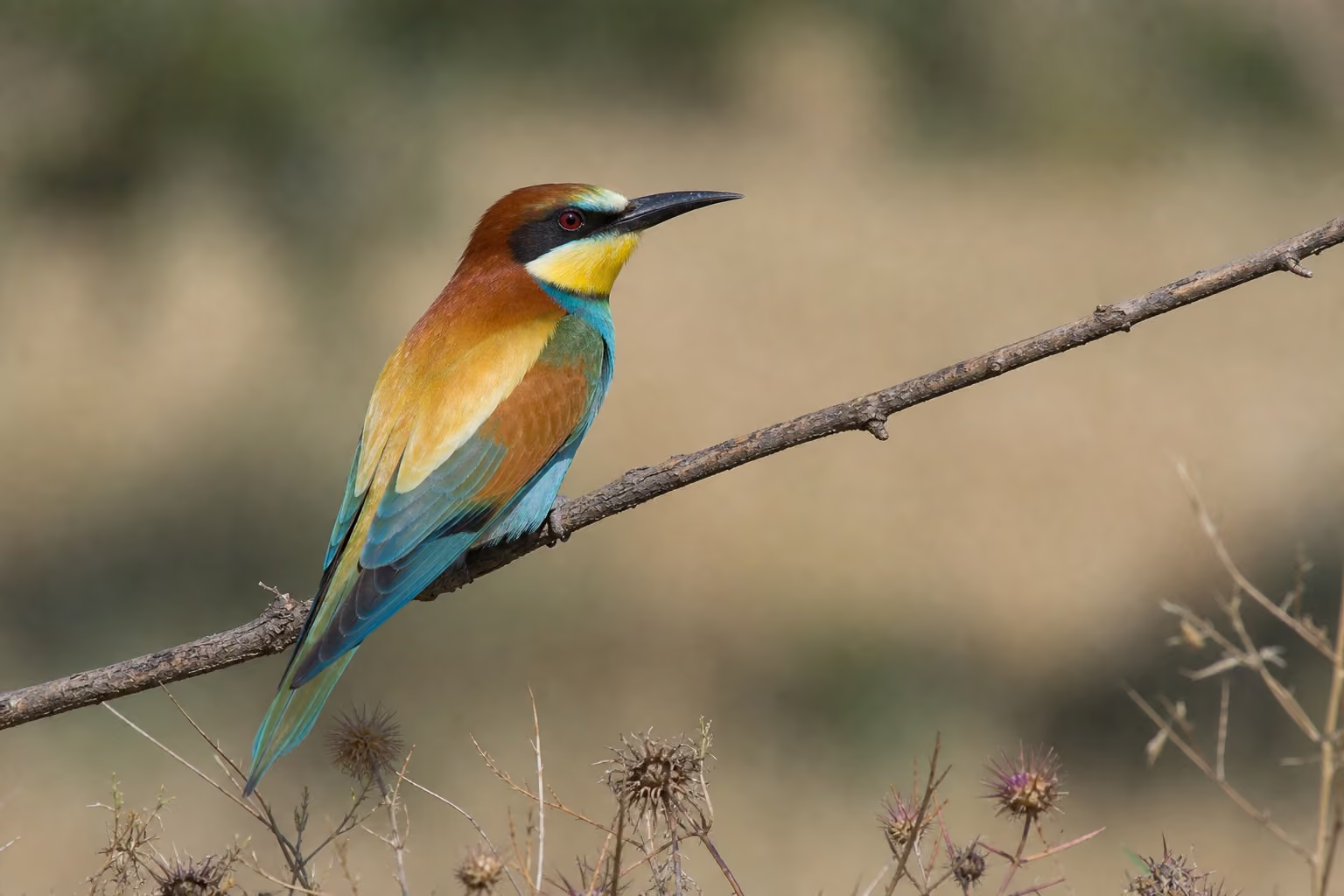
338 Featured Specimen
European bee-eater

Details

European bee-eater

Merops apiaster

Size
27–29 cm · 44–78 g
Diet
Carnivore
Activity
Diurnal
Sociality
Colony
Lifespan
5–6 years

The European bee-eater is a colorful Palearctic migrant with a long bill and graceful flight. It catches flying insects in the air and breeds in colonies.

Range

Habitat range map
Native range Occasional / Transient
PalearcticPalearcticPalearcticPalearcticPalearcticPalearcticPalearcticPalearcticPalearcticPalearcticPalearcticPalearcticPalearcticPalearcticPalearcticPalearcticPalearcticPalearcticPalearcticPalearcticPalearcticPalearcticPalearcticPalearcticAfrotropicalAfrotropicalAfrotropicalAfrotropical

Map: Ecoregions 2017 © RESOLVE (CC BY 4.0) · Natural Earth (PD)

Details

Habitat

It uses open grassland, farmland, riverbanks, and sandy cliffs or cuttings. Breeding requires soft earthen banks where tunnels can be excavated.

Appearance

Length is 27-29 cm and weight 44-78 g. Chestnut head, yellow throat, blue-green underparts, black eye stripe, and a long slightly downcurved bill are distinctive.

Behavior

Diurnal and colonial, it calls constantly while moving in groups. Birds sally from perches to catch insects in flight.

Feeding

A carnivore, it eats bees, wasps, dragonflies, beetles, and other flying insects. Stinging prey is often beaten against a perch to remove or neutralize the sting.

Reproduction

Pairs dig long tunnels in banks and lay eggs in the chamber at the end. Both adults feed chicks, and relatives may sometimes help within colonies.

Notes

It is listed as Least Concern. Sandy nesting banks and open insect-rich foraging areas are key to local breeding success.