500 Featured Specimen
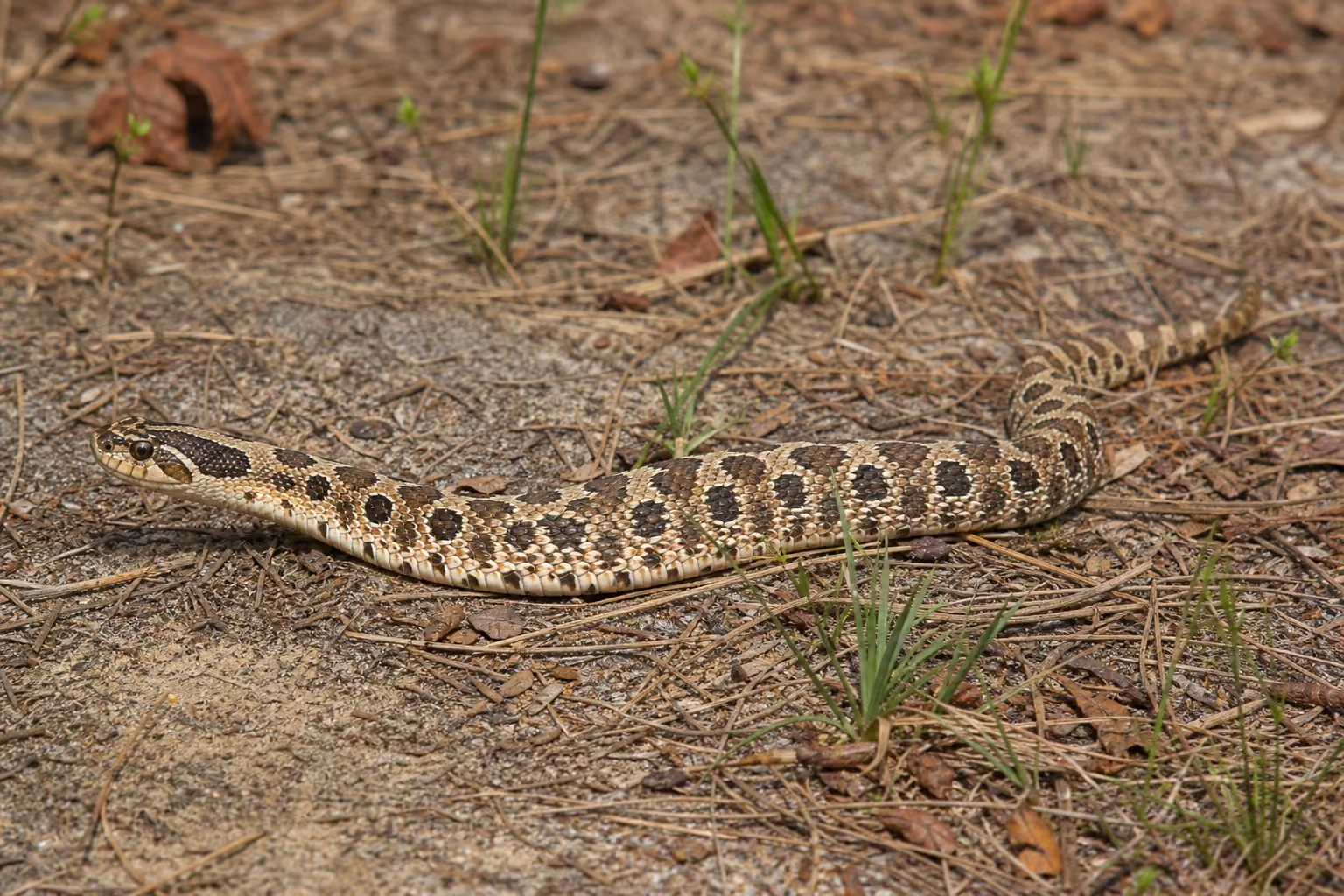
Eastern hognose snake

Details

Eastern hognose snake

Heterodon platirhinos

Size
0.5–1.2 m · 100–350 g
Diet
Carnivore
Activity
Diurnal
Sociality
Solitary
Lifespan
10–15 years

The eastern hognose snake is a North American snake with an upturned snout. When threatened it spreads the neck, bluffs, and may finally play dead.
Range

Habitat range map
Native range Occasional / Transient
NearcticNearcticNearcticNearcticNearcticNearcticNearcticNearcticNearcticNearcticNearcticNearcticNearcticNearcticNearcticNearcticNearcticNearcticNearcticNearcticNearcticNearcticNearcticNearcticNearcticNearcticNearcticNearcticNearcticNearcticNearcticNearcticNearcticNearcticNearcticNearcticNearcticNearcticNearcticNearcticNearctic

Map: Ecoregions 2017 © RESOLVE (CC BY 4.0) · Natural Earth (PD)

Details

Habitat

It inhabits Nearctic forest, grassland, and coastal sandy areas. Loose sandy soil and open habitats with toads are especially suitable.

Appearance

Length 50-115 cm; weight 100-350 g. The upturned snout helps with digging. Color varies from brown and grey to reddish, with highly variable blotching.

Behavior

Diurnal and solitary, it gives dramatic defensive displays. It may flatten the head and neck, hiss, then roll over and become limp.

Feeding

A carnivore, it feeds mainly on toads and frogs. Rear teeth and saliva help handle prey, including inflated toads.

Reproduction

Females lay eggs in sand or soft soil. Hatchlings search for small amphibians and invertebrates soon after emergence.

Notes

It is listed as Least Concern. It is usually harmless to people and relies on bluffing displays to deter predators.