403 Featured Specimen
Common walkingstick

Details

Common walkingstick

Diapheromera femorata

Size
7–9.5 cm · 0.3–1 g
Diet
Herbivore
Activity
Nocturnal
Sociality
Solitary
Lifespan
less than 1 year

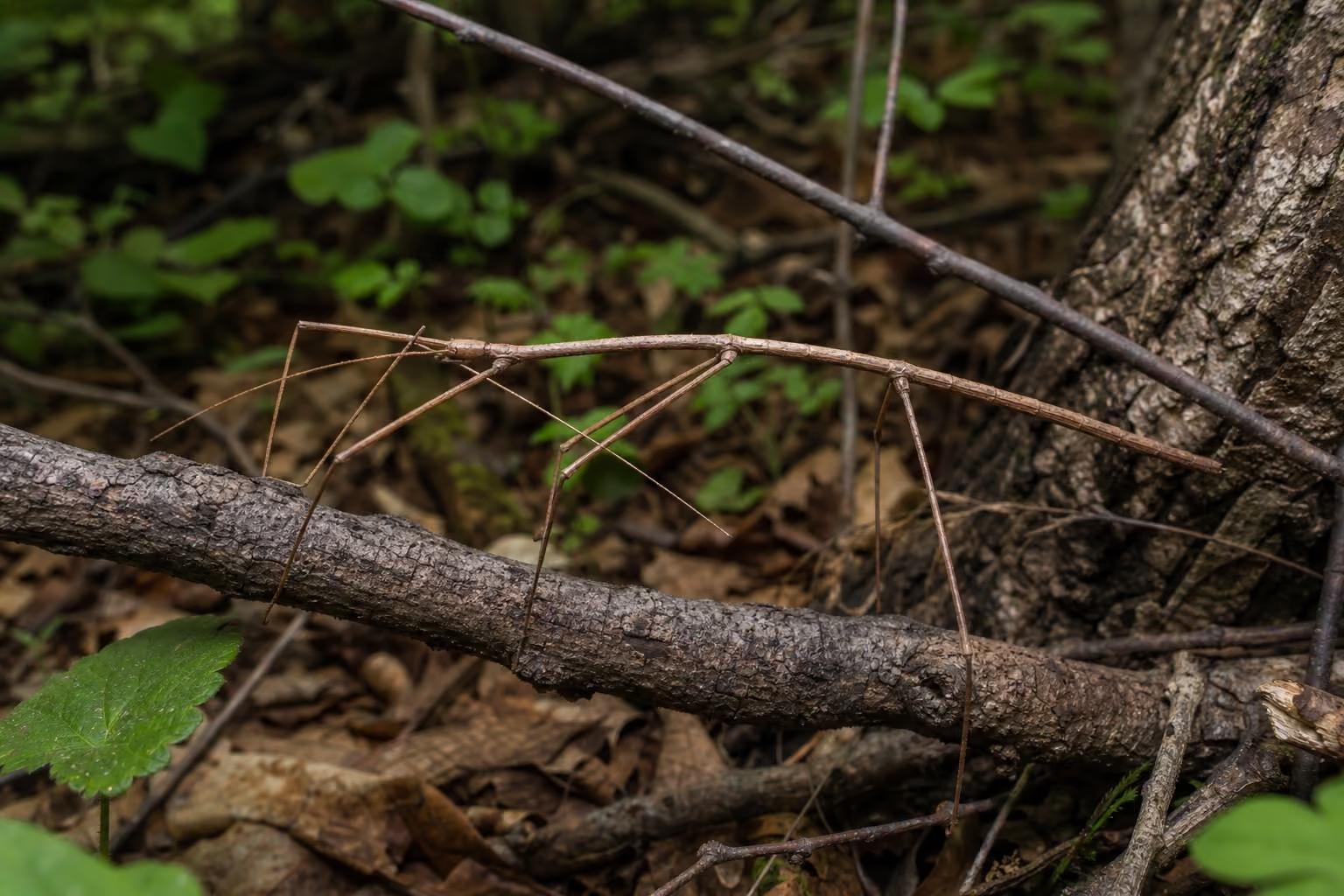
The common walkingstick is a long, twiglike insect of North American forests. It feeds on leaves at night and hides by day as part of a branch.
Range

Habitat range map
Native range Occasional / Transient
NearcticNearcticNearcticNearcticNearcticNearcticNearcticNearcticNearcticNearcticNearcticNearcticNearcticNearcticNearcticNearcticNearcticNearcticNearcticNearcticNearcticNearcticNearcticNearcticNearcticNearcticNearcticNearcticNearcticNearcticNearcticNearcticNearcticNearcticNearcticNearcticNearcticNearcticNearcticNearcticNearctic

Map: Ecoregions 2017 © RESOLVE (CC BY 4.0) · Natural Earth (PD)

Details

Habitat

It lives in deciduous forests of the Nearctic. Woodland edges and young stands with host trees such as oaks are useful habitat.

Appearance

Length 7-9.5 cm; weight 0.3 g-1 g. A thin stick-shaped body and long legs make it resemble a twig, in brown or green tones. It lacks wings and may sway like a small branch.

Behavior

Nocturnal and solitary, it freezes when threatened. Camouflage is its main defense.

Feeding

A herbivore, it eats leaves of broadleaf trees. It chews leaf edges at night and rests on the same trees by day.

Reproduction

Females drop eggs one by one from the trees to the ground. Eggs overwinter in leaf litter, and hatchlings climb back into vegetation.

Notes

It is listed as Least Concern, though local populations can still be affected by habitat change, collection, or pollution.