110 Featured Specimen
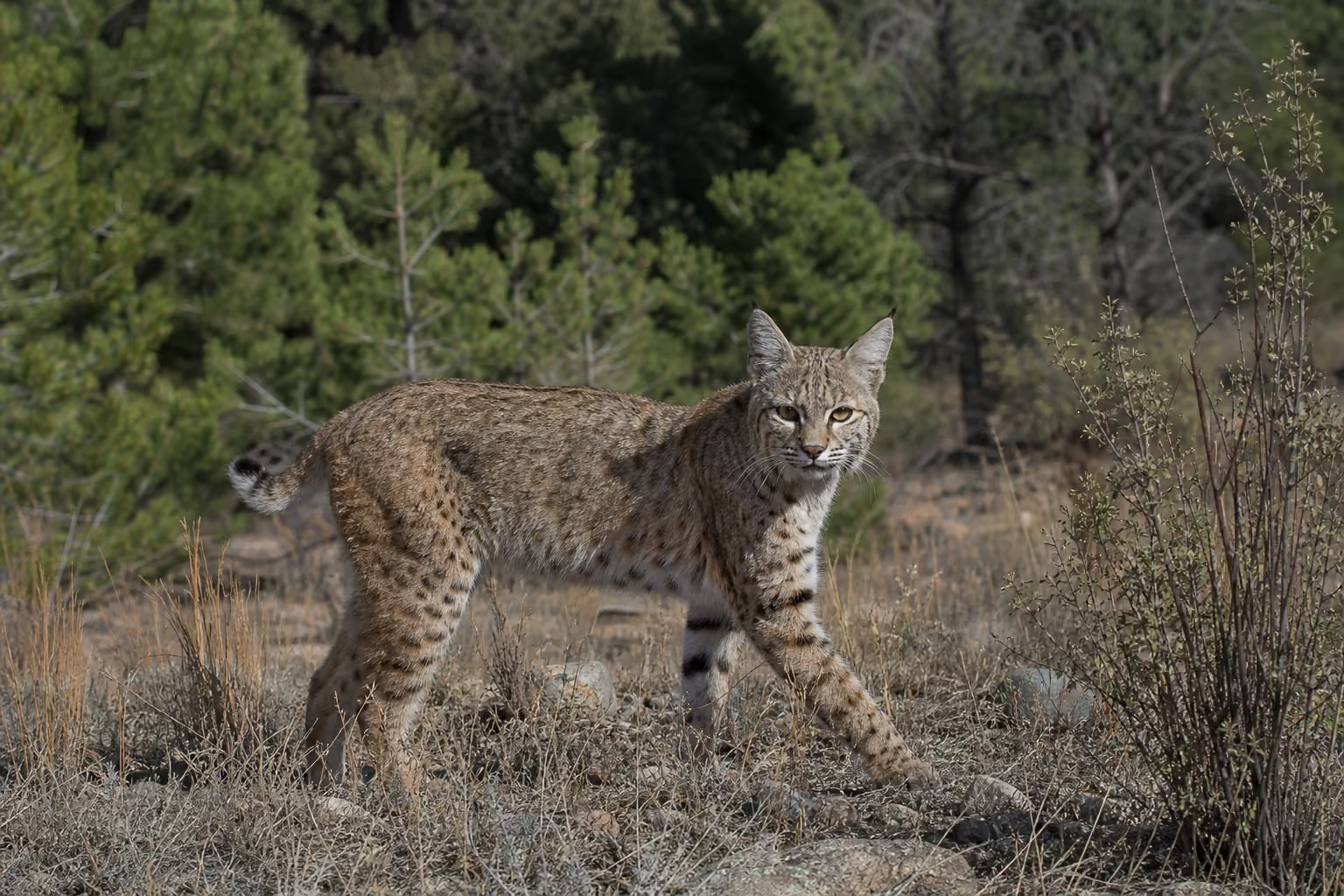
Bobcat

Details

Bobcat

Lynx rufus

Size
0.7–1.2 m · 6–18 kg
Diet
Carnivore
Activity
Crepuscular
Sociality
Solitary
Lifespan
10-20 years

The bobcat is a solitary small cat widespread in North America. It uses forests, scrub, and desert edges, hunting most actively around dawn and dusk.
Range

Habitat range map
Native range Occasional / Transient
NearcticNearcticNearcticNearcticNearcticNearcticNearcticNearcticNearcticNearcticNearcticNearcticNearcticNearcticNearcticNearcticNearcticNearcticNearcticNearcticNearcticNearcticNearcticNearcticNearcticNearcticNearcticNearcticNearcticNearcticNearcticNearcticNearcticNearcticNearcticNearcticNearcticNearcticNearcticNearcticNearctic

Map: Ecoregions 2017 © RESOLVE (CC BY 4.0) · Natural Earth (PD)

Details

Habitat

It occupies wooded areas, rocky cover, and dry shrublands where stalking cover is available. It can also use edge habitats near human settlement.

Appearance

Body length is about 70-120 cm and weight about 6-18 kg. It has a short tail, tufted ears, spotted coat, and powerful legs for pouncing.

Behavior

Mostly crepuscular, it patrols a solitary home range. It rests in cover such as rocks or thickets and closes on prey with a quiet stalk.

Feeding

It is carnivorous, taking rabbits, rodents, birds, and similar prey. It relies more on ambush and short pursuits than on long chases.

Reproduction

Males and females meet briefly during breeding. The female raises the kittens in a den, where they learn hunting skills before dispersing.

Notes

Its status is listed as Least Concern. It is adaptable, though roads and fragmented habitat can restrict movement in some regions.