747 Featured Specimen
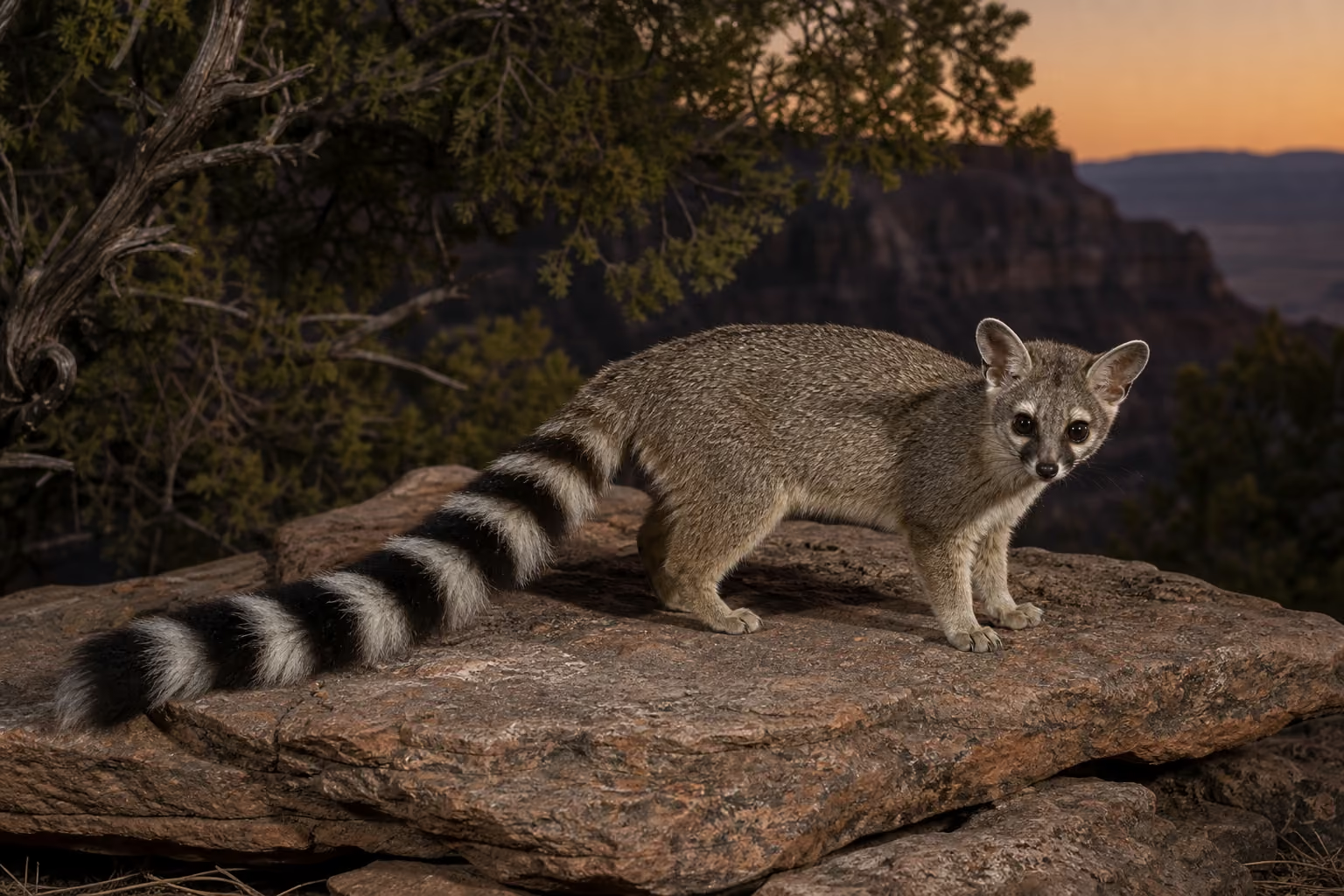
North American ringtail

Details

North American ringtail

Bassariscus astutus

Size
60–82 cm · 0.7–1.5 kg
Diet
Omnivore
Activity
Nocturnal
Sociality
Solitary
Lifespan

A small procyonid of the southwestern United States and Mexico. It is recognized by large eyes, agile climbing, and a long black-and-white ringed tail.
Range

Habitat range map
Native range Occasional / Transient
NearcticNearcticNearcticNearcticNearcticNearcticNearcticNearcticNearcticNearcticNearcticNearcticNearcticNearcticNearcticNearcticNearcticNearcticNearcticNearcticNearcticNearcticNearcticNearcticNearcticNearcticNearcticNearcticNearcticNearcticNearcticNearcticNearcticNearcticNearcticNearcticNearcticNearcticNearcticNearcticNearctic

Map: Ecoregions 2017 © RESOLVE (CC BY 4.0) · Natural Earth (PD)

Details

Habitat

Ringtails use desert canyons, rocky slopes, dry woodland, and riparian forest. Rock crevices, tree cavities, and abandoned mines serve as dens.

Appearance

The body is slender with large ears and dark eyes. The very long banded tail aids balance while moving through cliffs and trees.

Behavior

It is nocturnal and mostly solitary. Flexible ankles and a long tail help it climb steep rock faces and move through narrow ledges.

Feeding

Diet includes rodents, birds, insects, reptiles, fruits, and nuts. Seasonal prey and fruit availability strongly shape foraging.

Reproduction

Breeding occurs in spring, with young raised in protected dens. Juveniles remain hidden at first and later learn climbing and hunting from the mother.

Notes

The name miner's cat reflects its habit of denning around mines and buildings, though it is not a cat.