074 Featured Specimen
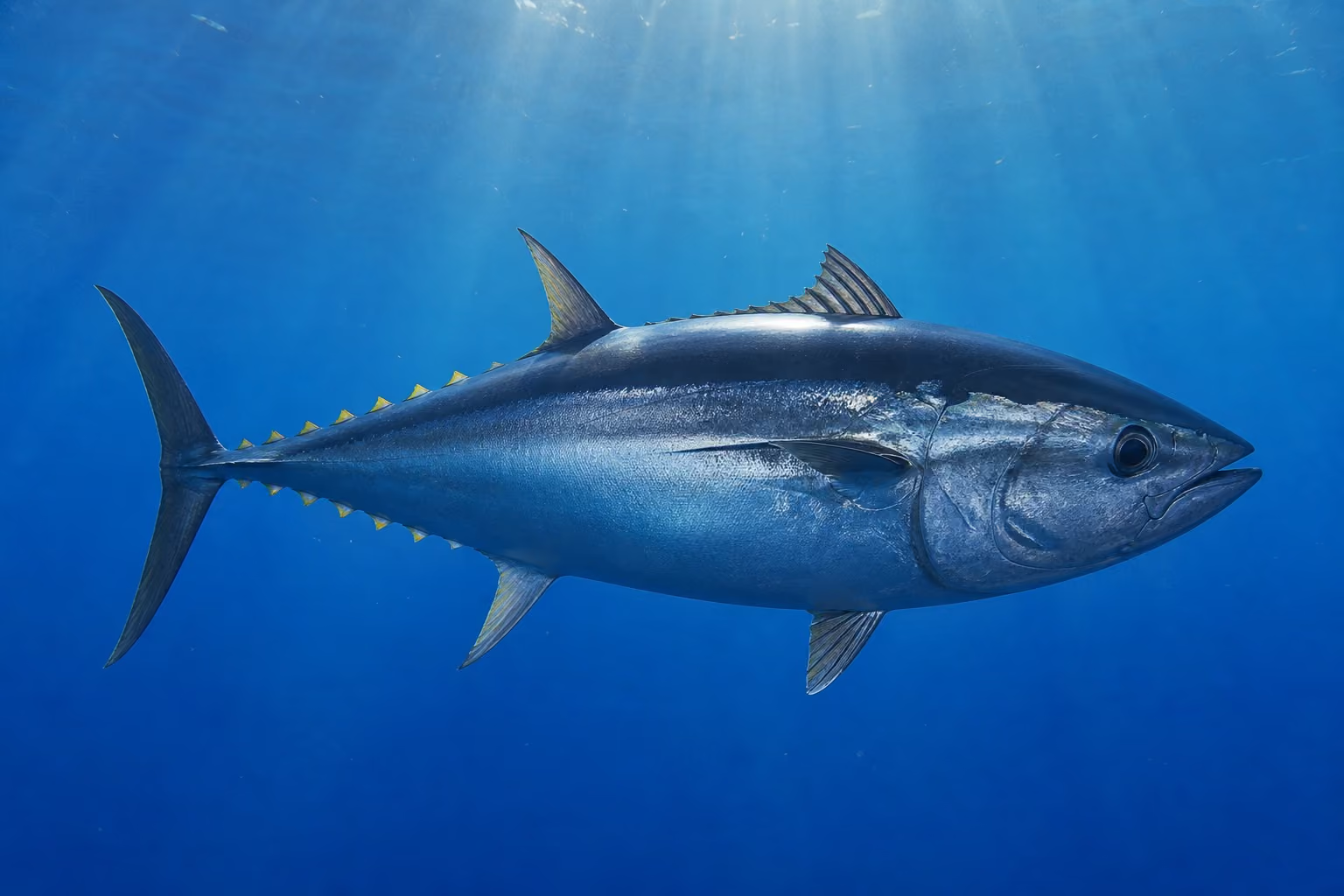
Atlantic bluefin tuna

Details

Atlantic bluefin tuna

Thunnus thynnus

Size
2–4.5 m · 150–680 kg
Diet
Carnivore
Activity
Seasonal
Sociality
Loose group
Lifespan
Varies by species and environment

The largest of the tunas and one of the few warm-blooded fish, using countercurrent heat exchange to keep its muscles warmer than the surrounding water. This lets it hunt at high speed even in the cold, productive waters of the North Atlantic.
Range

Habitat range map
Native range Occasional / Transient
Atlantic OceanAtlantic OceanAtlantic OceanAtlantic OceanAtlantic Ocean

Map: Ecoregions 2017 © RESOLVE (CC BY 4.0) · Natural Earth (PD)

Details

Habitat

It ranges widely through the temperate and tropical open ocean of the western and eastern Atlantic and the Mediterranean Sea. A powerful diver, it descends to nearly 1,000 metres and undertakes long seasonal migrations between feeding and spawning grounds.

Appearance

A streamlined giant reaching about 2 to 4.5 metres and 150 to 680 kilograms. The back is deep blue and the belly silvery grey, with a row of bright yellow finlets before the tail; its relatively short pectoral fins help distinguish it from relatives.

Behavior

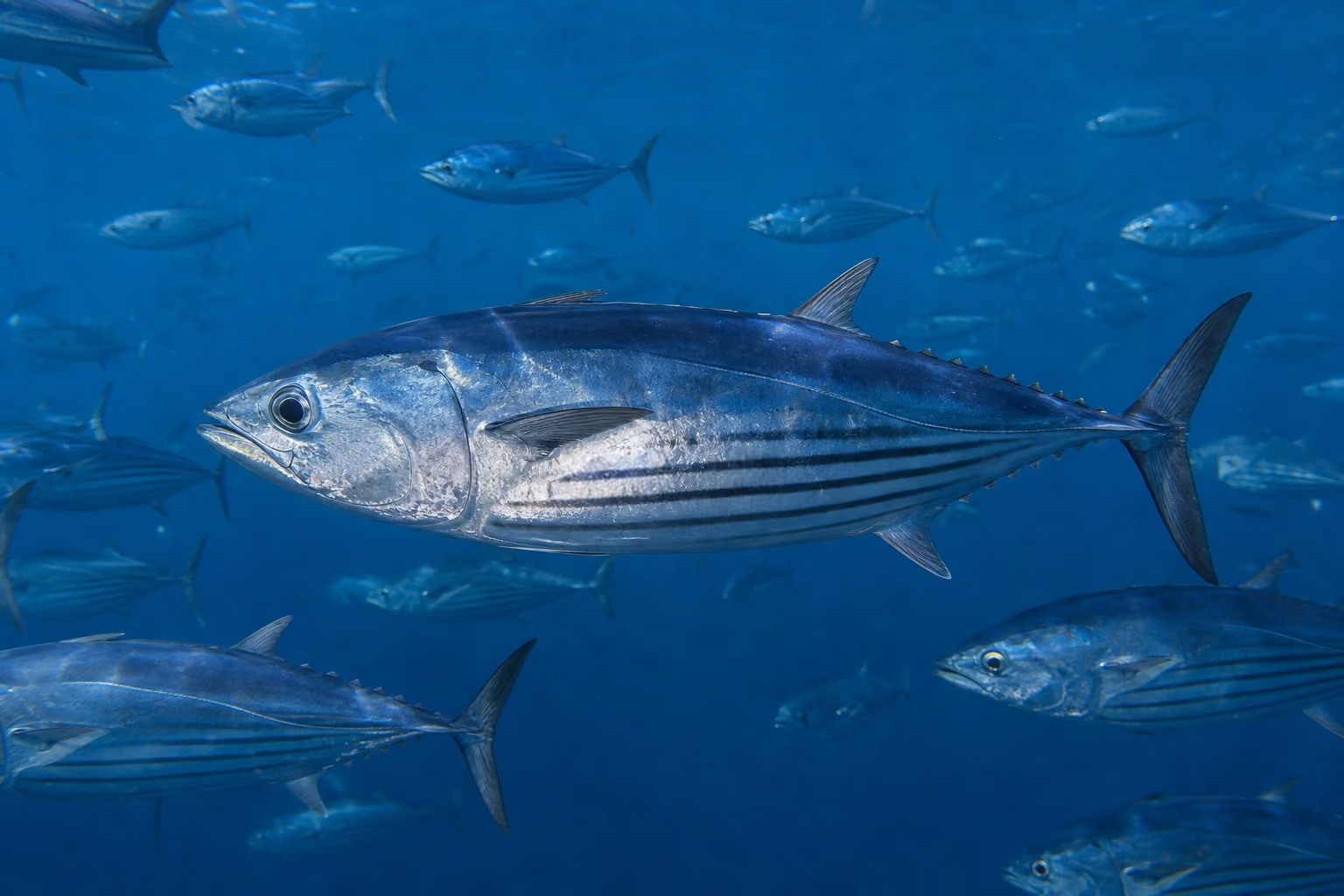
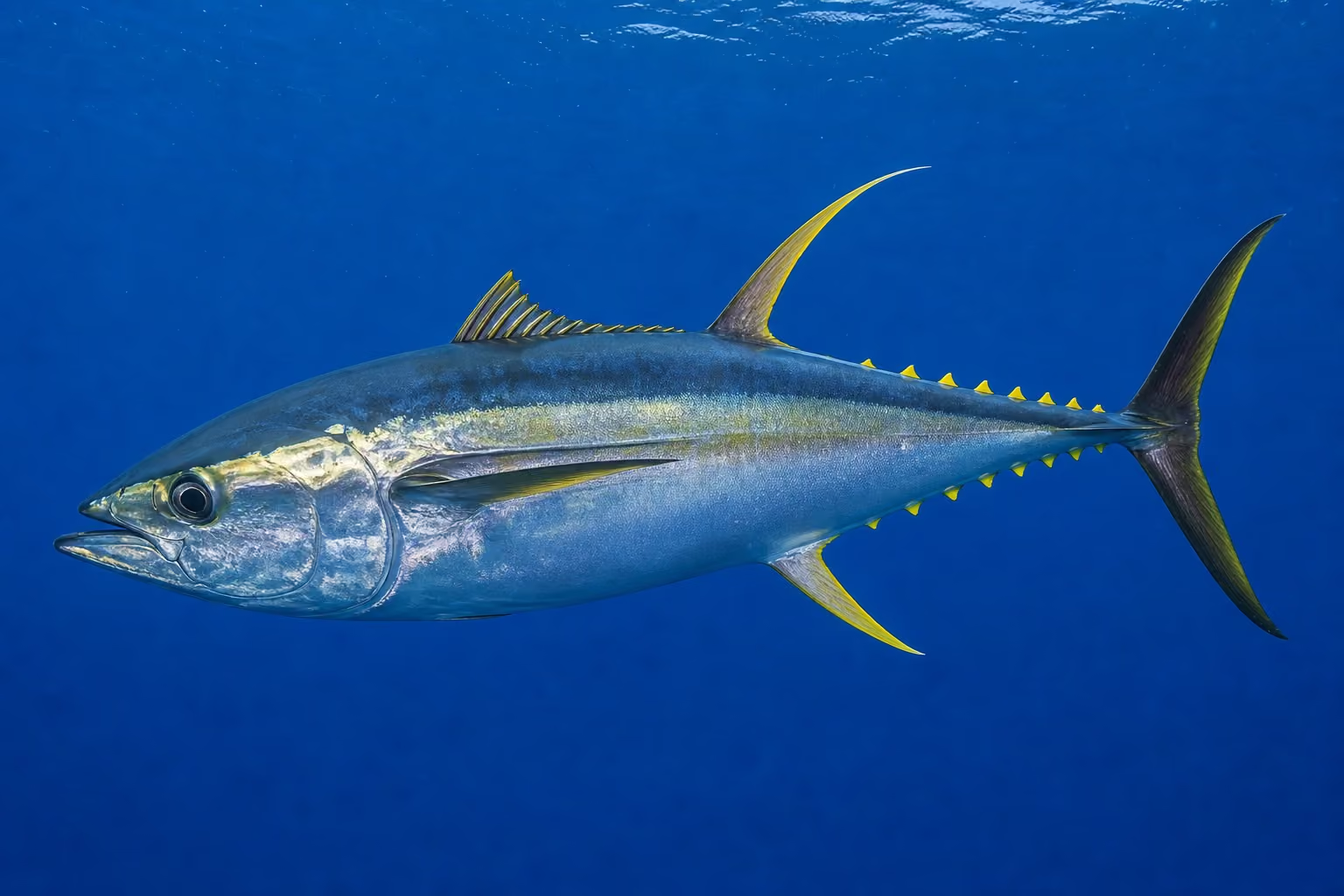
Fish of similar size travel together in schools, sometimes mixing with skipjack and other tunas. Driven by the seasons, it migrates over vast distances and uses its warm-blooded physiology to push into chilly northern feeding waters.

Feeding

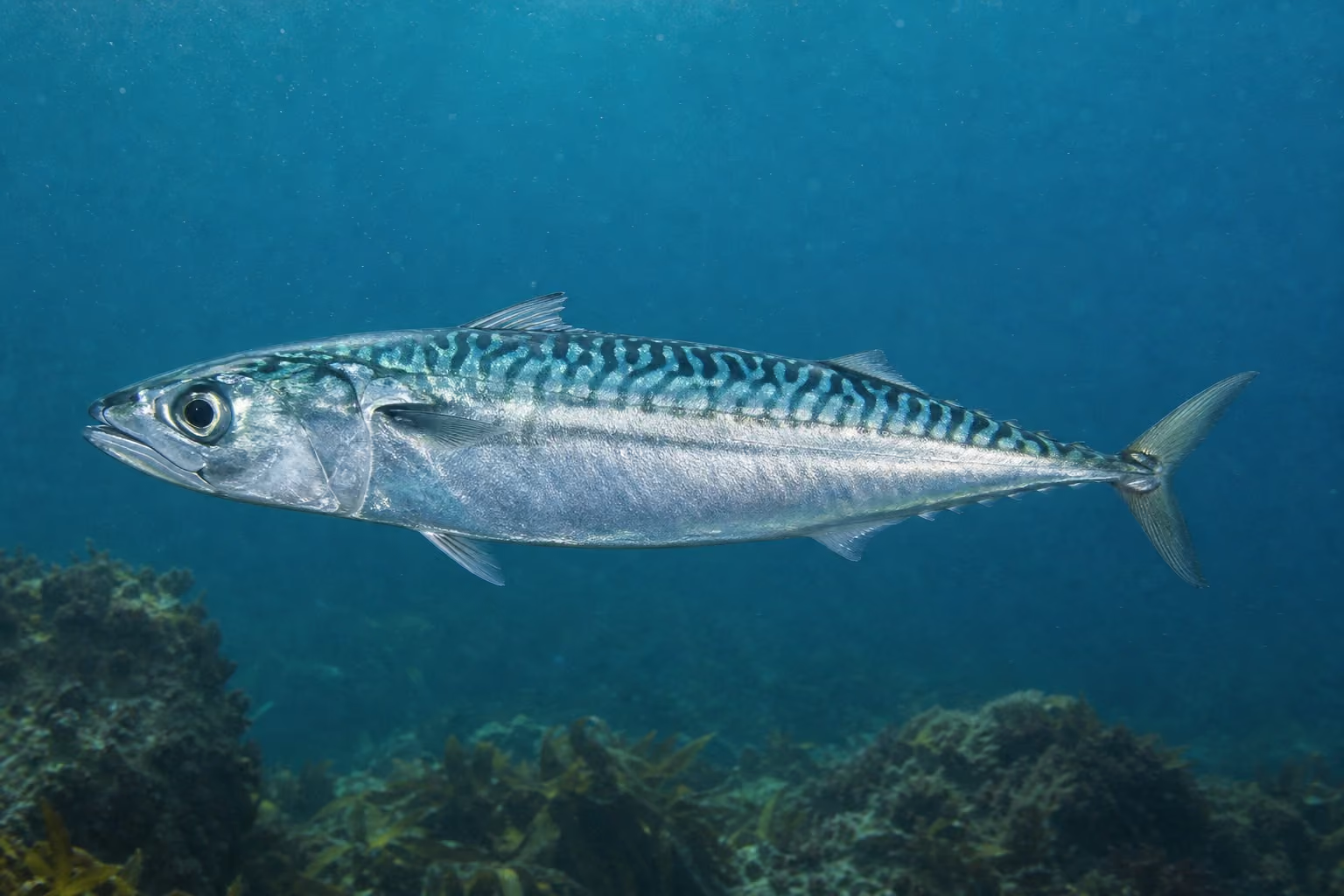
A carnivore, it chases small schooling fish such as sardines, herring and mackerel, and also takes squid and crustaceans. Bursts of fast swimming let it run down agile prey.

Reproduction

It gathers at set spawning areas such as the Gulf of Mexico and the western Mediterranean, where a female may release tens of millions of eggs at once. Eggs hatch in about two days, larval survival is extremely low, and the fish can live well past 30 years.

Notes

Prized for sushi and sashimi, the great majority of the catch is consumed in Japan. Overfishing drove a steep decline in its numbers, and recovery now depends on tighter catch quotas and stock management.