618 Featured Specimen
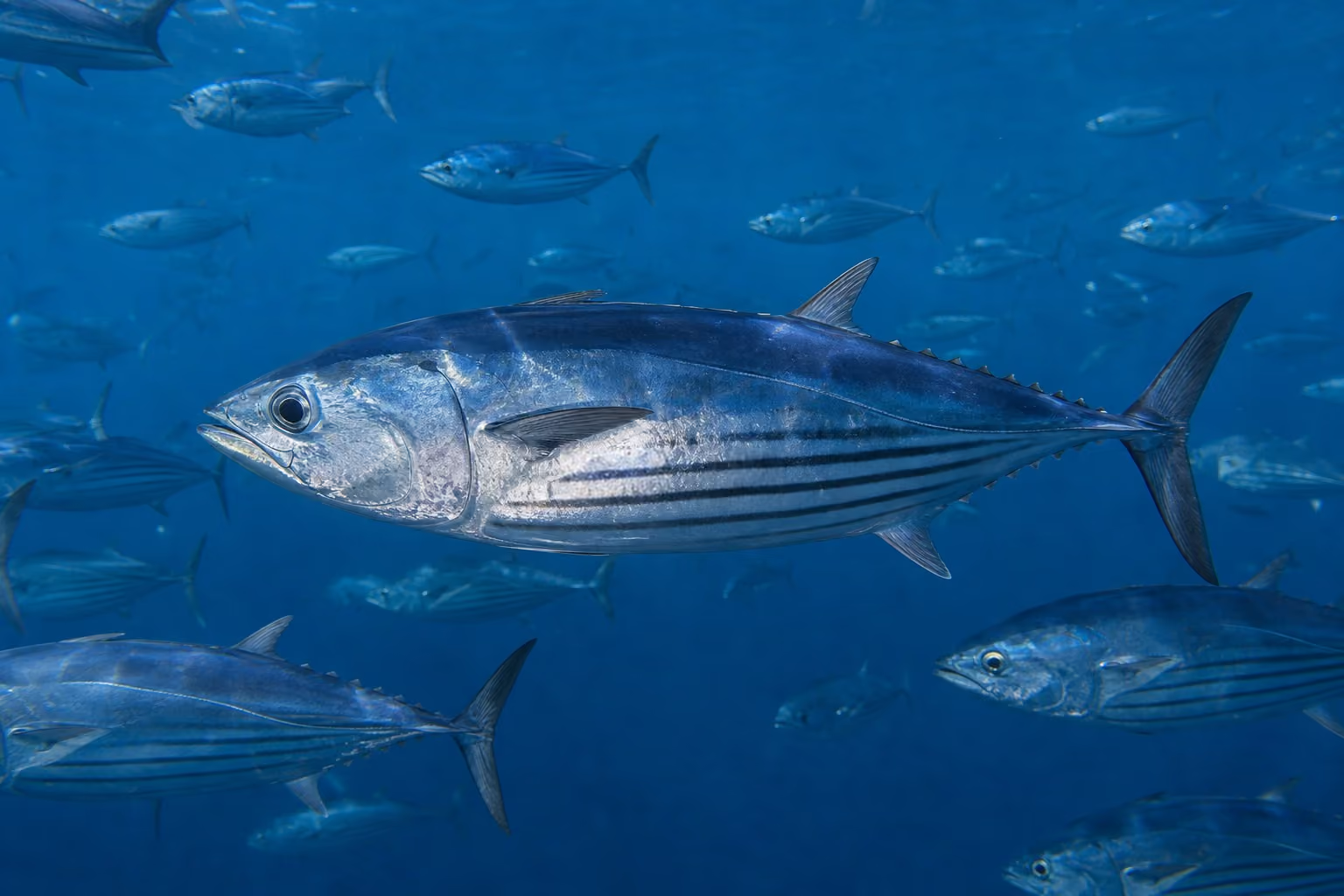
Skipjack tuna

Details

Skipjack tuna

Katsuwonus pelamis

Size
0.4–1.1 m · 1.5–34.5 kg
Diet
Carnivore
Activity
Cathemeral
Sociality
Herd
Lifespan

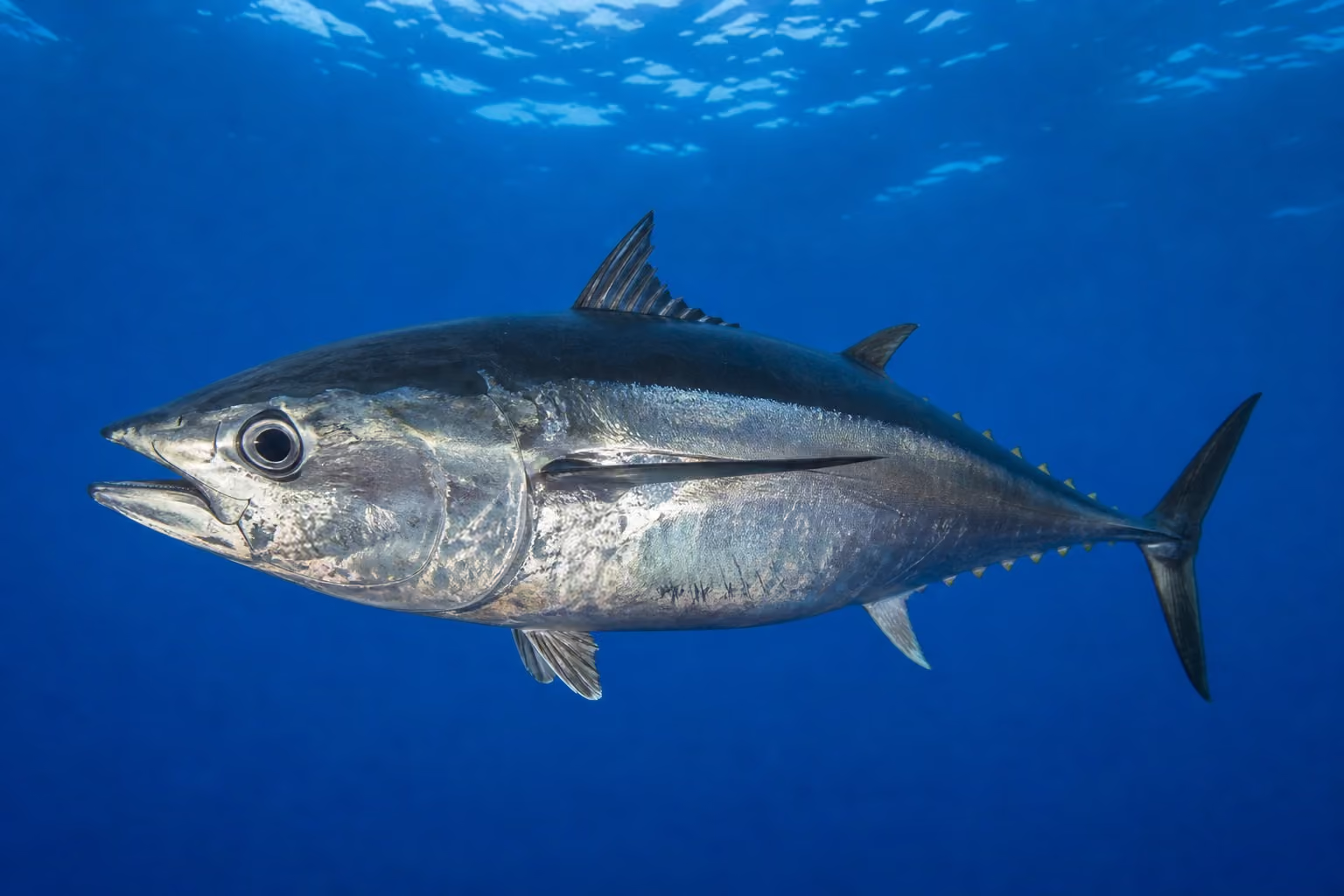
A fast schooling tuna of tropical and warm-temperate oceans, recognized by dark back color and black stripes on the belly.
Range

Habitat range map
Native range Occasional / Transient
Pacific OceanPacific OceanPacific OceanAtlantic OceanAtlantic OceanAtlantic OceanAtlantic OceanAtlantic OceanIndian Ocean

Map: Ecoregions 2017 © RESOLVE (CC BY 4.0) · Natural Earth (PD)

Details

Habitat

Widespread in warm surface waters of the Pacific, Indian, and Atlantic oceans, often around fronts, floating objects, and prey schools.

Appearance

The body is spindle-shaped, dark blue above, and marked with several black longitudinal stripes on the lower sides and belly.

Behavior

It swims rapidly in large schools and attacks small fish near the surface, sometimes near seabirds or dolphins.

Feeding

It eats small fish, squid, and crustaceans, feeding intensely at the surface in coordinated groups.

Reproduction

Adults broadcast many eggs in warm seas. Growth is fast, and maturity comes early.

Notes

Skipjack tuna supports major fisheries for canned tuna, sashimi, and Japanese dried bonito, making regional management important.