593 Featured Specimen
Haddock

Details

Haddock

Melanogrammus aeglefinus

Size
0.4–1.1 m · 0.5–17 kg
Diet
Carnivore
Activity
Cathemeral
Sociality
Herd
Lifespan

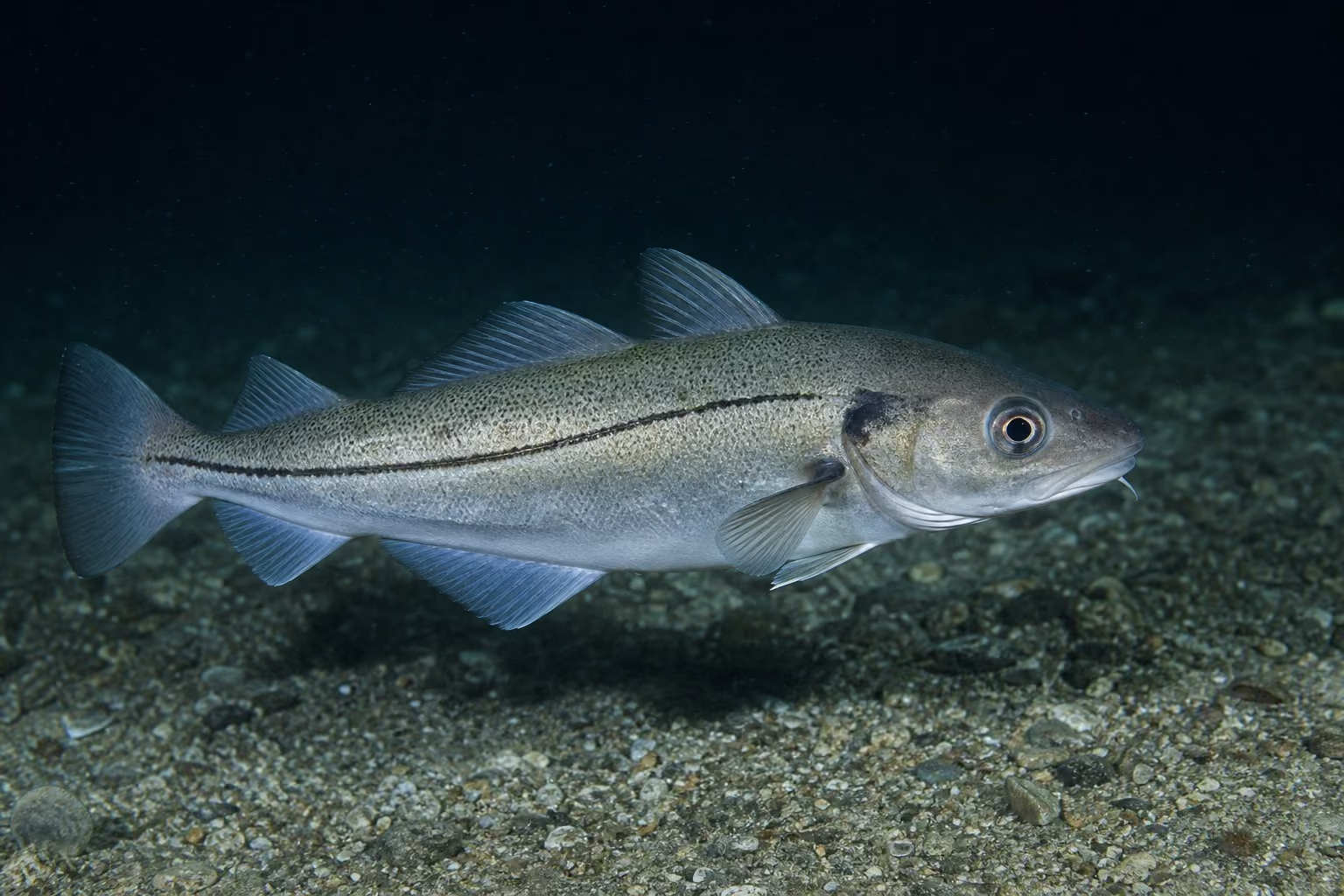
A cold-water cod relative of the North Atlantic. A dark blotch below the lateral line helps identify it as it forages near the seabed.
Range

Habitat range map
Native range Occasional / Transient
Atlantic OceanAtlantic OceanAtlantic OceanAtlantic OceanAtlantic OceanArctic OceanArctic OceanArctic OceanPalearcticPalearcticPalearcticPalearcticPalearcticPalearcticPalearcticPalearcticPalearcticPalearcticPalearcticPalearcticPalearcticPalearcticPalearcticPalearcticPalearcticPalearcticPalearcticPalearcticPalearcticPalearcticPalearcticPalearcticNearcticNearcticNearcticNearcticNearcticNearcticNearcticNearcticNearcticNearcticNearcticNearcticNearcticNearcticNearcticNearcticNearcticNearcticNearcticNearcticNearcticNearcticNearcticNearcticNearcticNearcticNearcticNearcticNearcticNearcticNearcticNearcticNearcticNearcticNearcticNearcticNearcticNearcticNearcticNearcticNearctic

Map: Ecoregions 2017 © RESOLVE (CC BY 4.0) · Natural Earth (PD)

Details

Habitat

Common on continental shelves from the North Sea and Barents Sea to Iceland and northeastern North America, often over sand, gravel, or mud.

Appearance

The body is silver gray with a dark lateral line. A black oval mark above the pectoral fin distinguishes it from many other cods.

Behavior

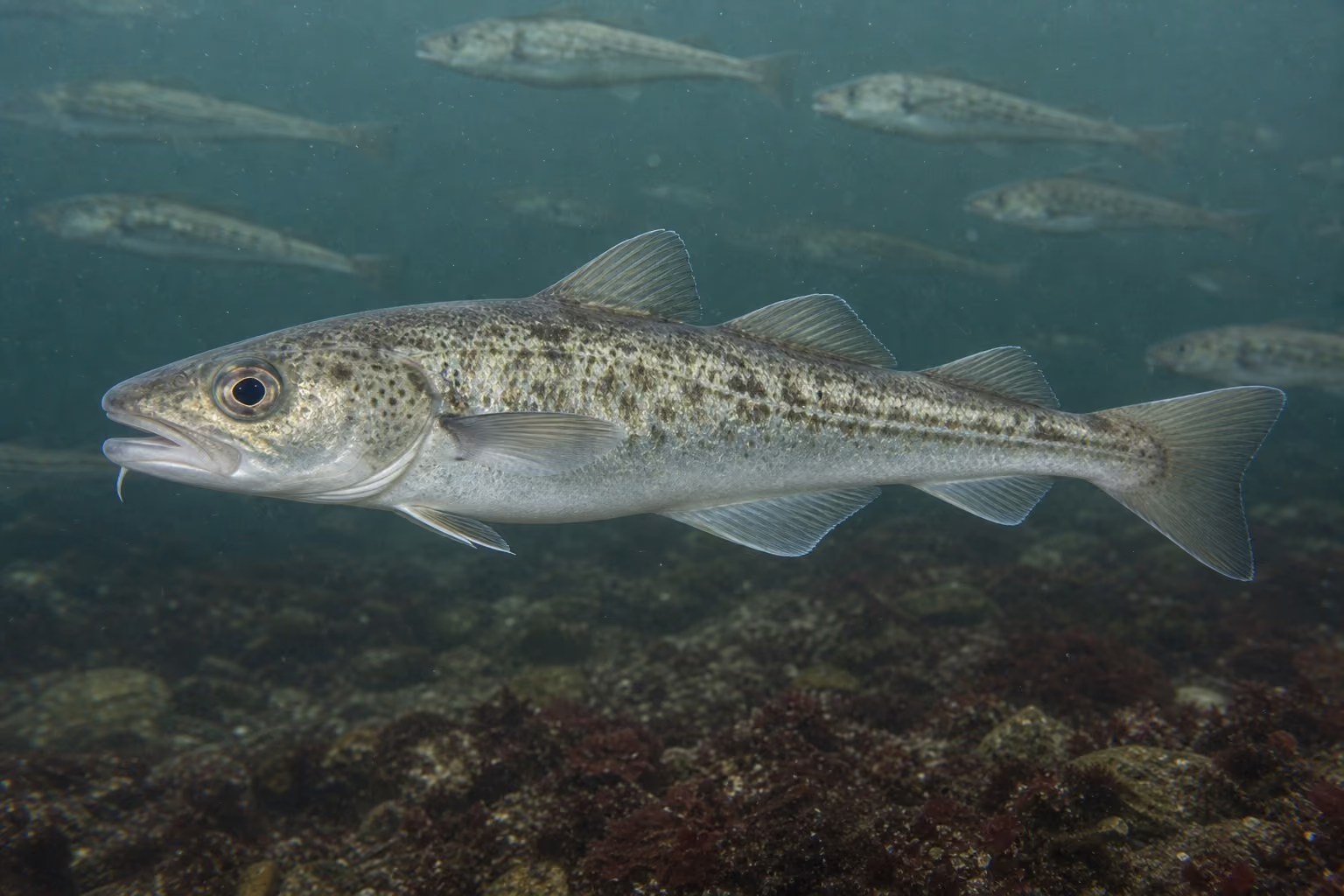
It moves in loose groups near the bottom and shifts depth with light, season, and food availability.

Feeding

It eats worms, mollusks, small crustaceans, small fish, and fish eggs, often picking prey from the sediment.

Reproduction

Adults release eggs and sperm into the water, mainly in spring. Eggs and larvae drift before juveniles settle nearer the bottom.

Notes

Haddock is an important whitefish. Stocks can be sensitive to fishing pressure, so regional management is important.