443 Featured Specimen
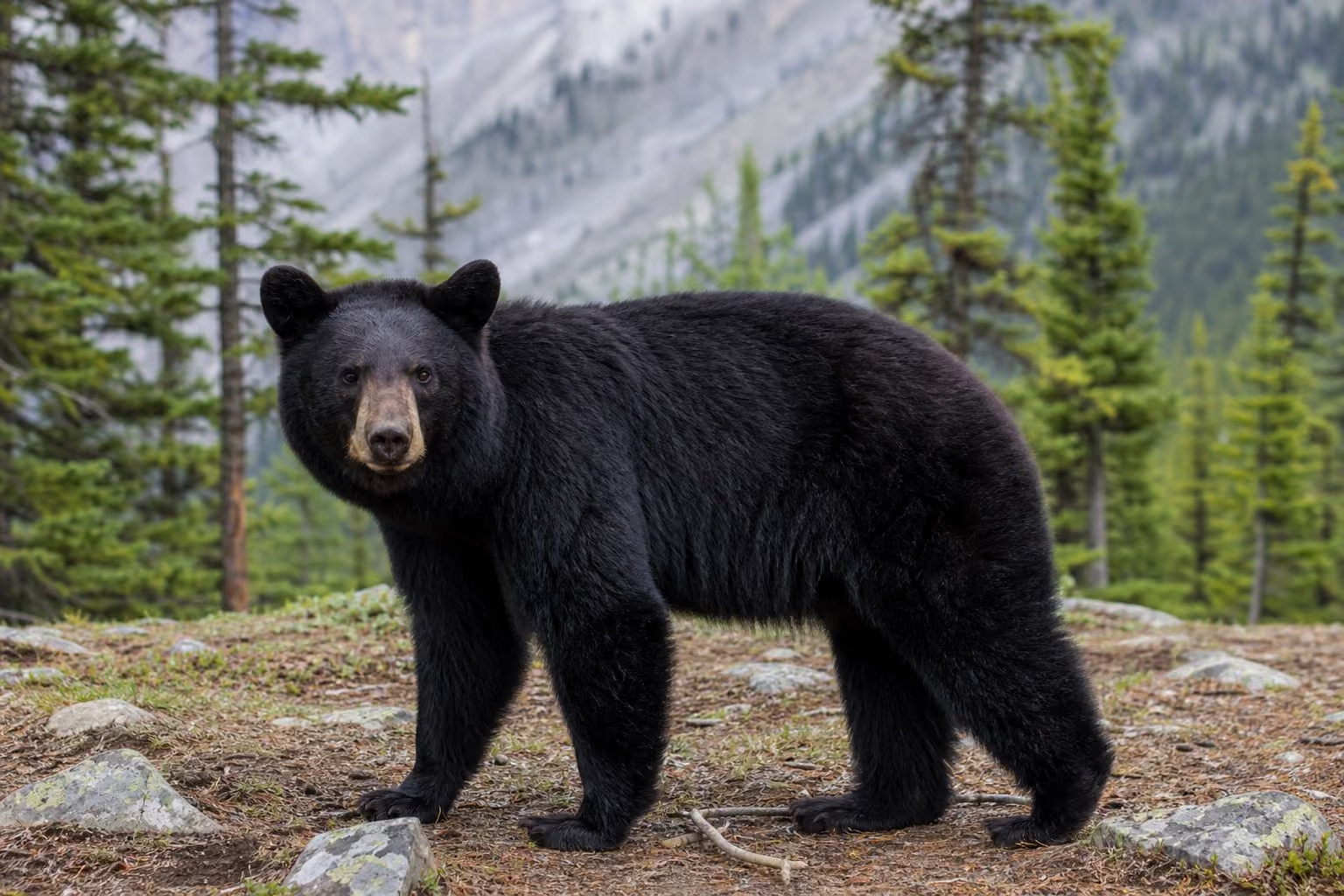
American black bear

Details

American black bear

Ursus americanus

Size
1.2–2 m · 39–280 kg
Diet
Omnivore
Activity
Cathemeral
Sociality
Solitary
Lifespan
18–25 years

The American black bear is a widespread and adaptable North American bear. A skilled climber, it eats foods ranging from berries and nuts to insects and carrion.
Range

Habitat range map
Native range Occasional / Transient
NearcticNearcticNearcticNearcticNearcticNearcticNearcticNearcticNearcticNearcticNearcticNearcticNearcticNearcticNearcticNearcticNearcticNearcticNearcticNearcticNearcticNearcticNearcticNearcticNearcticNearcticNearcticNearcticNearcticNearcticNearcticNearcticNearcticNearcticNearcticNearcticNearcticNearcticNearcticNearcticNearctic

Map: Ecoregions 2017 © RESOLVE (CC BY 4.0) · Natural Earth (PD)

Details

Habitat

It inhabits Nearctic forests and mountains. Large woods, thickets, wetland edges, and sometimes food near human settlements are used.

Appearance

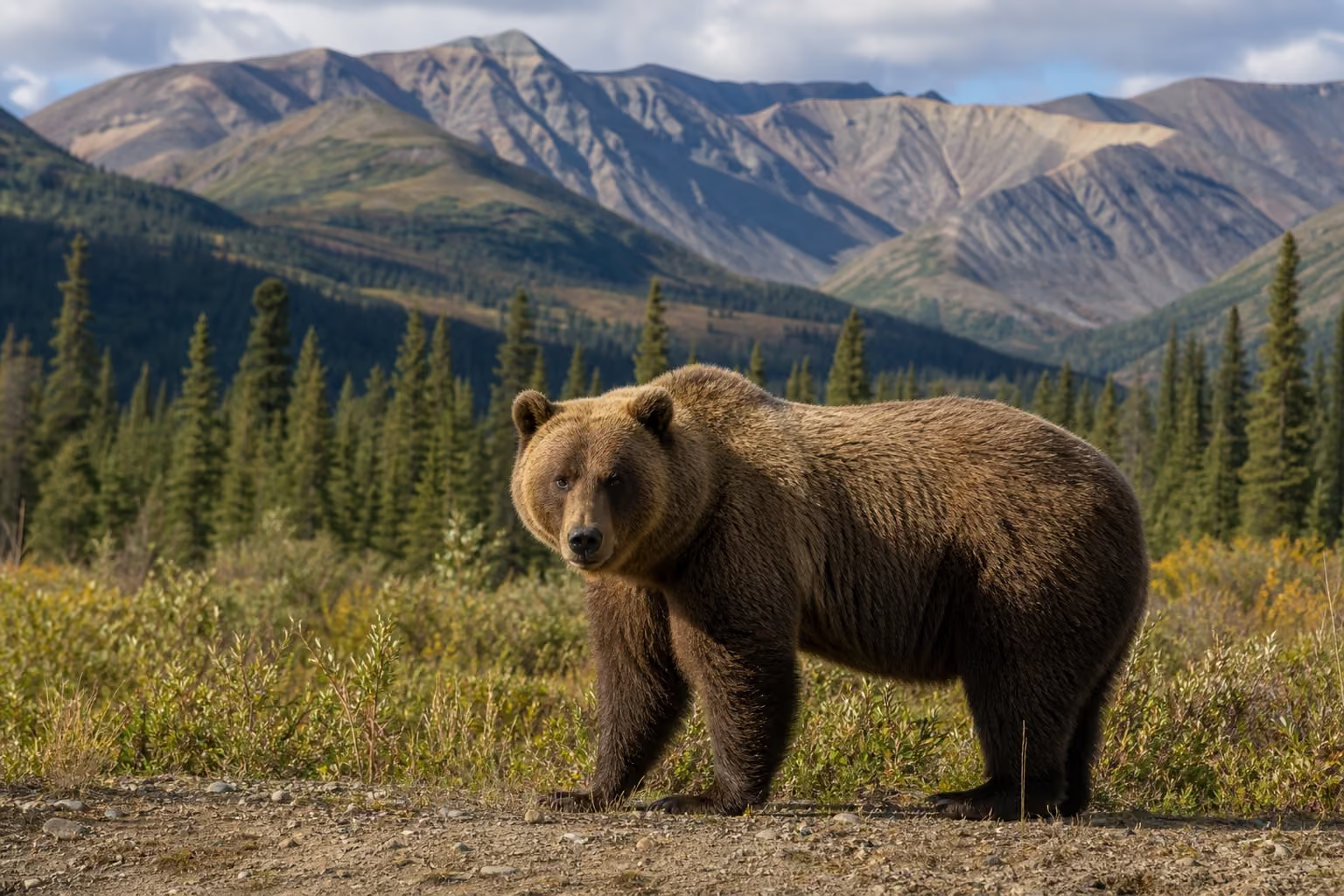
Length 120-200 cm; weight 39-280 kg. Fur may be black, brown, cinnamon, or pale, with rounded ears and a short tail. The shoulder hump is less pronounced than in brown bears.

Behavior

Cathemeral and solitary, it shifts activity with season and human pressure. In winter it greatly reduces activity in a den.

Feeding

An omnivore, it eats berries, nuts, grasses, insects, carrion, and small animals. In autumn it seeks energy-rich foods to build fat.

Reproduction

Delayed implantation follows mating, and females give birth in winter dens. Cubs stay with the mother while learning feeding sites and dangers.

Notes

It is listed as Least Concern and is stable in many parts of North America. Garbage and intentional feeding can increase conflict with people.