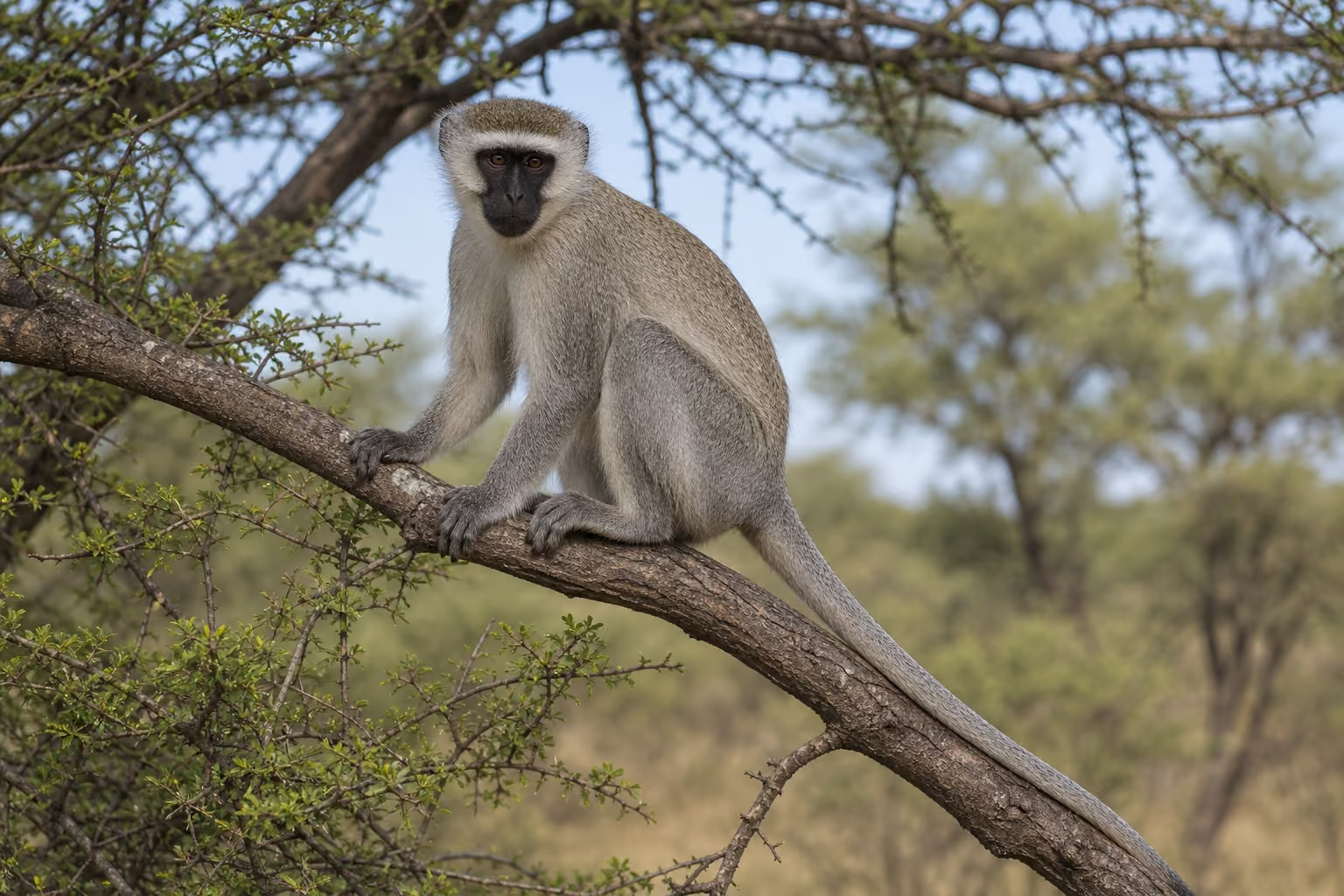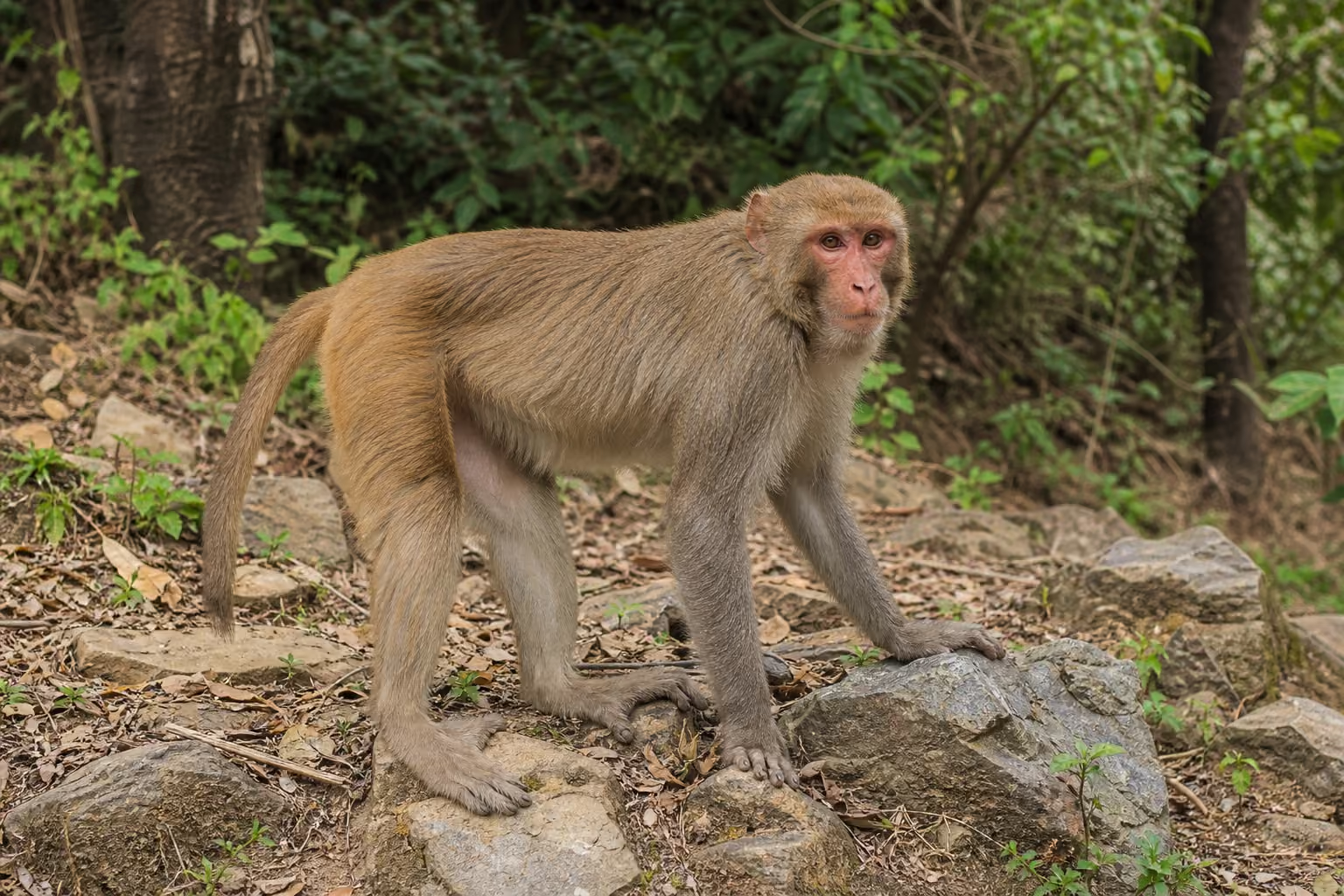
Rhesus macaque

Details

Rhesus macaque

Macaca mulatta

Size
45–65 cm · 5–12 kg
Diet
Omnivore
Activity
Diurnal
Sociality
Social
Lifespan

Rhesus macaque is a highly adaptable Asian monkey often seen near settlements. The Rh blood-group factor takes its name from this macaque, and close contact with people creates management challenges.

View in catalog
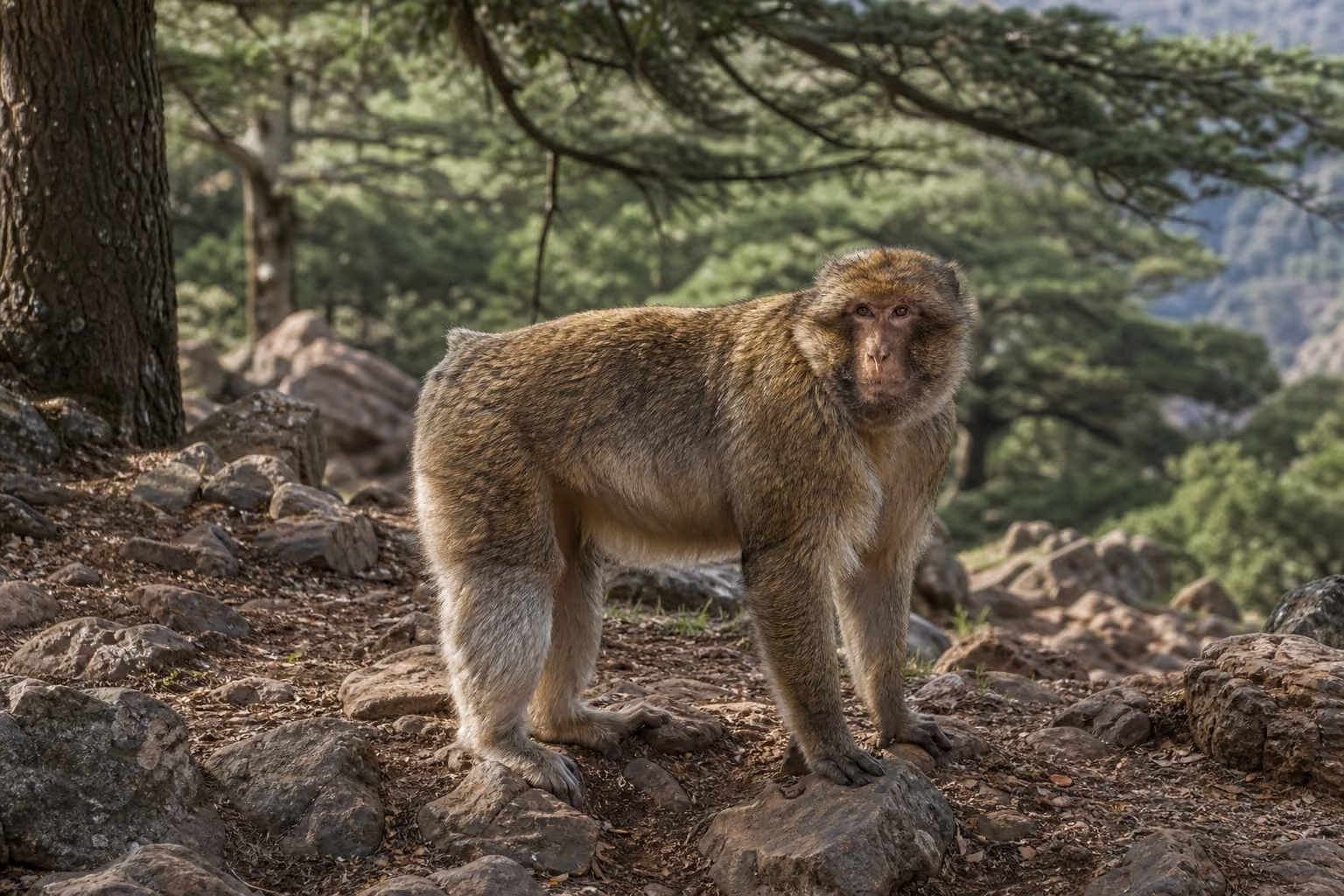
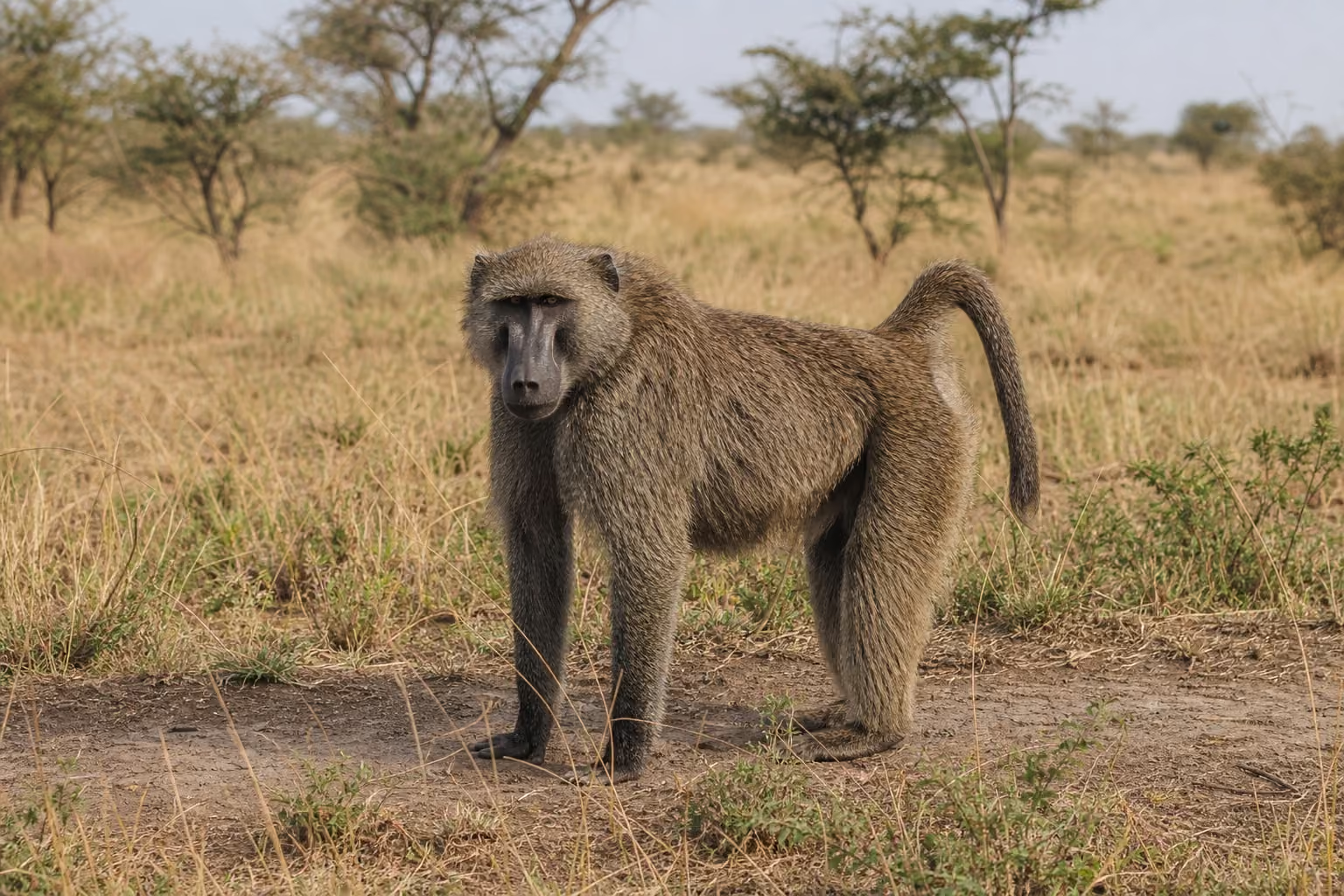
Key facts

  • Rhesus macaque (Macaca mulatta) is an omnivore animal classified as Mammal · Primates · Cercopithecidae.
  • Primary habitats are forest · grassland · urban, with a range across Indomalayan · Palearctic.
  • Activity is diurnal, sociality is social, and conservation status is LC (Least Concern).
  • Rhesus macaque is a highly adaptable Asian monkey often seen near settlements.
  • It uses forests, grasslands, mountains, farmland, and urban edges.

Range

Habitat range map
Native rangeOccasional / Transient
PalearcticPalearcticPalearcticPalearcticPalearcticPalearcticPalearcticPalearcticPalearcticPalearcticPalearcticPalearcticPalearcticPalearcticPalearcticPalearcticPalearcticPalearcticPalearcticPalearcticPalearcticPalearcticPalearcticPalearcticIndomalayanIndomalayanIndomalayanIndomalayanIndomalayanIndomalayanIndomalayanIndomalayanIndomalayanIndomalayanIndomalayanIndomalayanIndomalayanIndomalayanIndomalayan

Map: Ecoregions 2017 © RESOLVE (CC BY 4.0) · Natural Earth (PD)

Details

Habitat

It uses forests, grasslands, mountains, farmland, and urban edges. Main habitat types in this guide are forest, grassland, urban.

Appearance

Typical length 45-65 cm, weight 5 kg-12 kg. Pale brown fur, a reddish face, and a moderate tail are typical, with males larger than females.

Behavior

It is diurnal and a social species. Troops have rank relationships maintained through grooming, calls, and facial signals.

Feeding

It is omnivorous. Fruit, leaves, seeds, insects, crops, and human foods may all be eaten.

Reproduction

Females give birth to single infants that cling to the mother and grow within the troop.

Notes

Although still widespread in places, it remains sensitive to habitat change. The Rh blood-group factor takes its name from this macaque, and close contact with people creates management challenges.