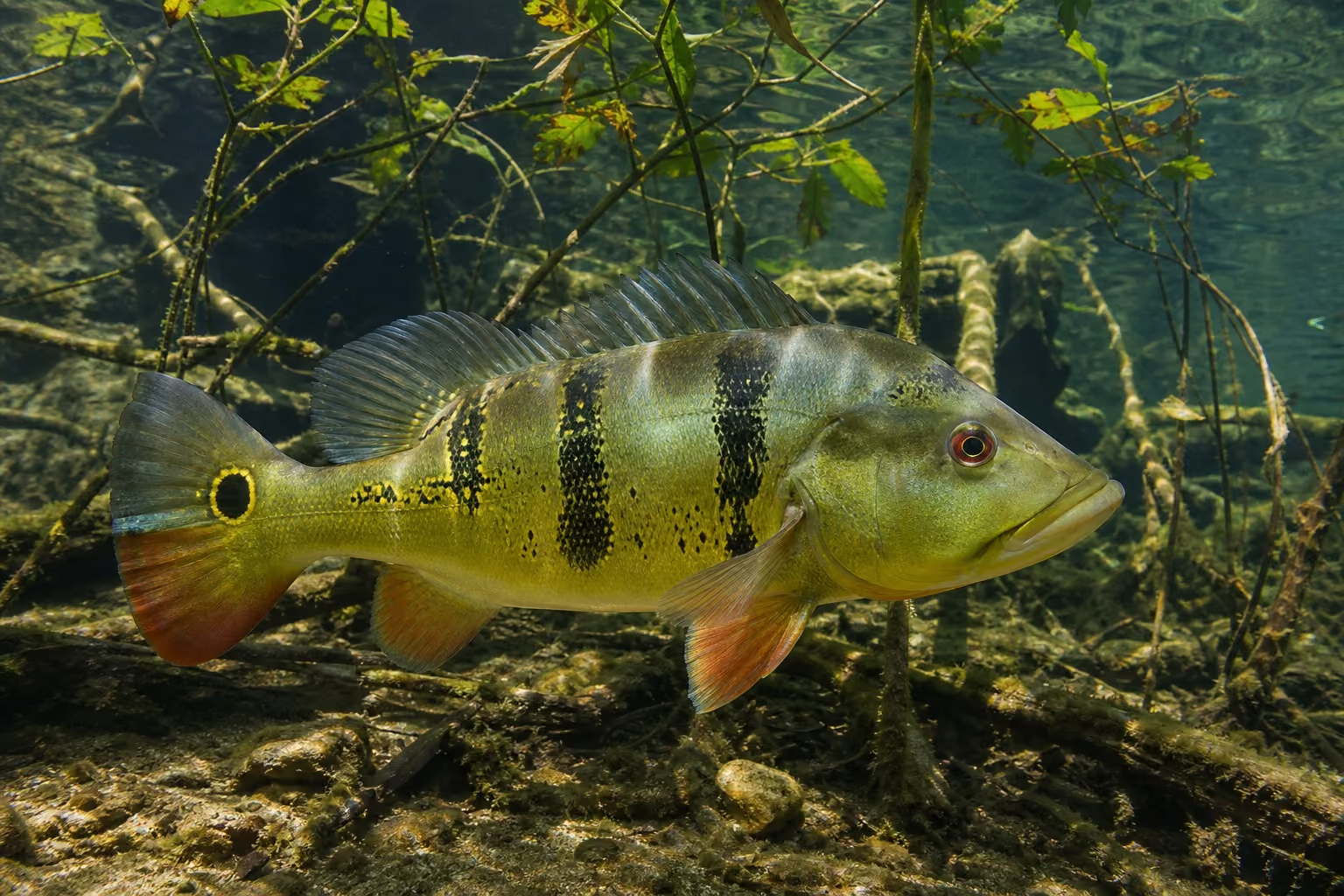
Peacock bass

Details

Peacock bass

Cichla ocellaris

Size
30–75 cm · 1–9 kg
Diet
Carnivore
Activity
Cathemeral
Sociality
Loose group
Lifespan
5-20 years

The peacock bass is a large Neotropical freshwater cichlid. Active across day and night, it hunts fish in pairs or loose groups around cover.

View in catalog
Key facts

  • Peacock bass (Cichla ocellaris) is a carnivore animal classified as Fish · Cichliformes · Cichlidae.
  • Primary habitats are freshwater, with a range across Neotropical.
  • Activity is cathemeral, sociality is loose group, and conservation status is LC (Least Concern).
  • The peacock bass is a large Neotropical freshwater cichlid.
  • It uses tropical rivers, lakes, floodplains, and margins with wood or aquatic plants.
  • Typical lifespan: 5-20 years

Range

Habitat range map
Native rangeOccasional / Transient
NeotropicalNeotropicalNeotropicalNeotropicalNeotropicalNeotropicalNeotropicalNeotropical

Map: Ecoregions 2017 © RESOLVE (CC BY 4.0) · Natural Earth (PD)

Details

Habitat

It uses tropical rivers, lakes, floodplains, and margins with wood or aquatic plants. Clearer freshwater with cover suits its visual hunting style.

Appearance

Length is about 30-75 cm and weight about 1-9 kg. Green to yellow sides with dark bars and an eyespot near the tail base are typical.

Behavior

A sight-hunting predator, it patrols banks and submerged structure. Pairs defend territories during breeding, while at other times fish may gather loosely.

Feeding

It is carnivorous, feeding mainly on smaller fish. Sudden rushes drive prey from cover, sometimes toward the surface.

Reproduction

Pairs clean a surface for spawning and guard eggs and young. Protected fry grow in shallow freshwater margins.

Notes

Its status is listed as Least Concern. It is valued as a sport fish, but introduced populations can affect native fish communities.