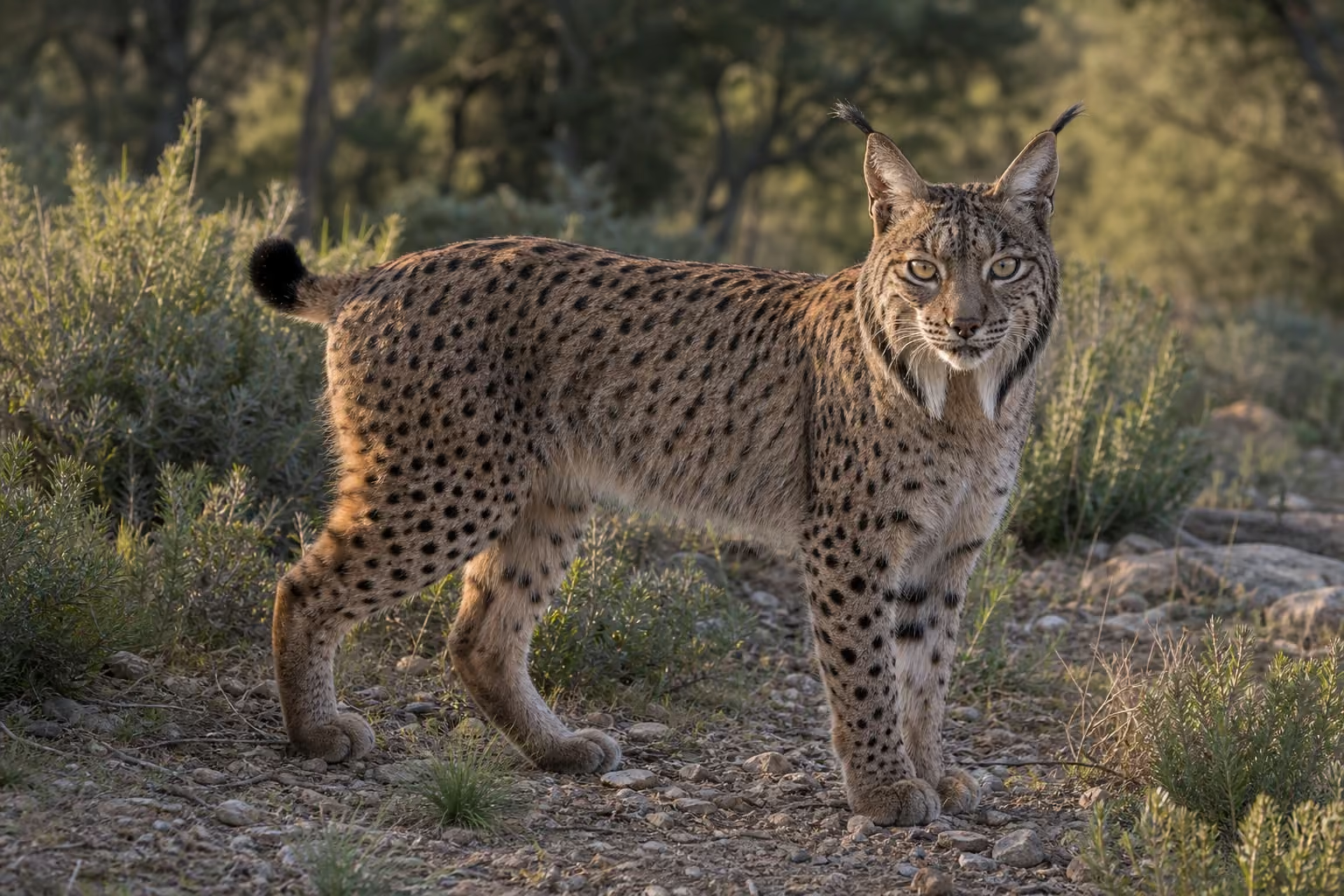
Iberian lynx

Details

Iberian lynx

Lynx pardinus

Size
0.9–1.1 m · 9–16 kg
Diet
Carnivore
Activity
Nocturnal
Sociality
Solitary
Lifespan

Iberian lynx is a medium-sized cat endemic to the Iberian Peninsula and strongly tied to rabbit abundance. Captive breeding and reintroduction improved numbers, but road mortality and fragmentation remain threats.

View in catalog
Key facts

  • Iberian lynx (Lynx pardinus) is a carnivore animal classified as Mammal · Carnivora · Felidae.
  • Primary habitats are forest · grassland, with a range across Palearctic.
  • Activity is nocturnal, sociality is solitary, and conservation status is VU (Vulnerable).
  • Iberian lynx is a medium-sized cat endemic to the Iberian Peninsula and strongly tied to rabbit abundance.
  • It uses Mediterranean scrub, open woodland, and grassland mosaics where cover borders hunting areas.

Range

Habitat range map
Native rangeOccasional / Transient

Map: Ecoregions 2017 © RESOLVE (CC BY 4.0) · Natural Earth (PD)

Details

Habitat

It uses Mediterranean scrub, open woodland, and grassland mosaics where cover borders hunting areas. Main habitat types in this guide are forest, grassland.

Appearance

Typical length 85-110 cm, weight 9 kg-16 kg. Spotted tawny fur, a short tail, black ear tufts, and cheek ruffs are distinctive.

Behavior

It is nocturnal and usually solitary. Adults hold territories and ambush prey along scrub edges and clearings.

Feeding

It is carnivorous. European rabbits dominate the diet, with birds and small mammals also taken.

Reproduction

Females den in sheltered scrub or logs, and young learn hunting from the mother.

Notes

Habitat loss and human pressure make conservation attention important. Captive breeding and reintroduction improved numbers, but road mortality and fragmentation remain threats.