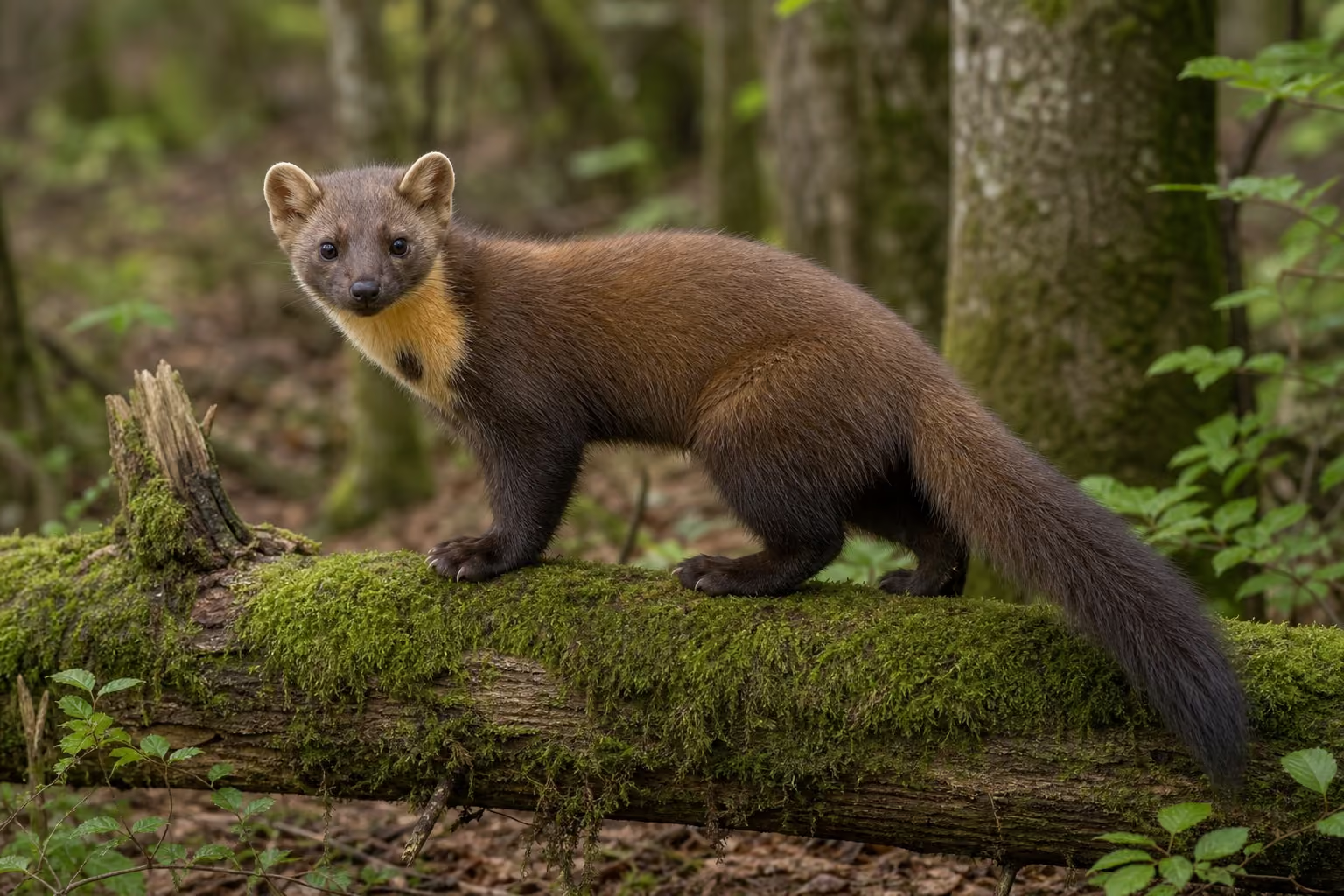
European pine marten

Details

European pine marten

Martes martes

Size
40–58 cm · 0.8–2.2 kg
Diet
Omnivore
Activity
Nocturnal
Sociality
Solitary
Lifespan

A forest mustelid of Europe, strongly associated with trees. A long tail and creamy yellow throat patch help identify it.

View in catalog


Key facts

  • European pine marten (Martes martes) is an omnivore animal classified as Mammal · Carnivora · Mustelidae.
  • Primary habitats are forest · mountains, with a range across Palearctic.
  • Activity is nocturnal, sociality is solitary, and conservation status is LC (Least Concern).
  • A forest mustelid of Europe, strongly associated with trees.
  • European pine martens use mature broadleaf, conifer, and mixed forests, including rocky mountain woods.

Range

Habitat range map
Native rangeOccasional / Transient
PalearcticPalearcticPalearcticPalearcticPalearcticPalearcticPalearcticPalearcticPalearcticPalearcticPalearcticPalearcticPalearcticPalearcticPalearcticPalearcticPalearcticPalearcticPalearcticPalearcticPalearcticPalearcticPalearcticPalearctic

Map: Ecoregions 2017 © RESOLVE (CC BY 4.0) · Natural Earth (PD)

Details

Habitat

European pine martens use mature broadleaf, conifer, and mixed forests, including rocky mountain woods. Tree holes, rock crevices, and old nests provide dens.

Appearance

They have a slender body, bushy tail, rounded ears, and a cream to yellow throat patch. Fur on the feet helps movement on trees and snow.

Behavior

Mostly nocturnal and solitary, they climb well and patrol large ranges that include both ground and canopy routes.

Feeding

They eat rodents, squirrels, birds, eggs, insects, fruit, and berries. Fruit can become especially important in autumn.

Reproduction

Delayed implantation follows mating. Females give birth in spring in tree cavities or similar shelters and rear young alone.

Notes

Fur hunting and forest management affected some populations, while legal protection has allowed recovery in parts of the range.