686 Featured Specimen
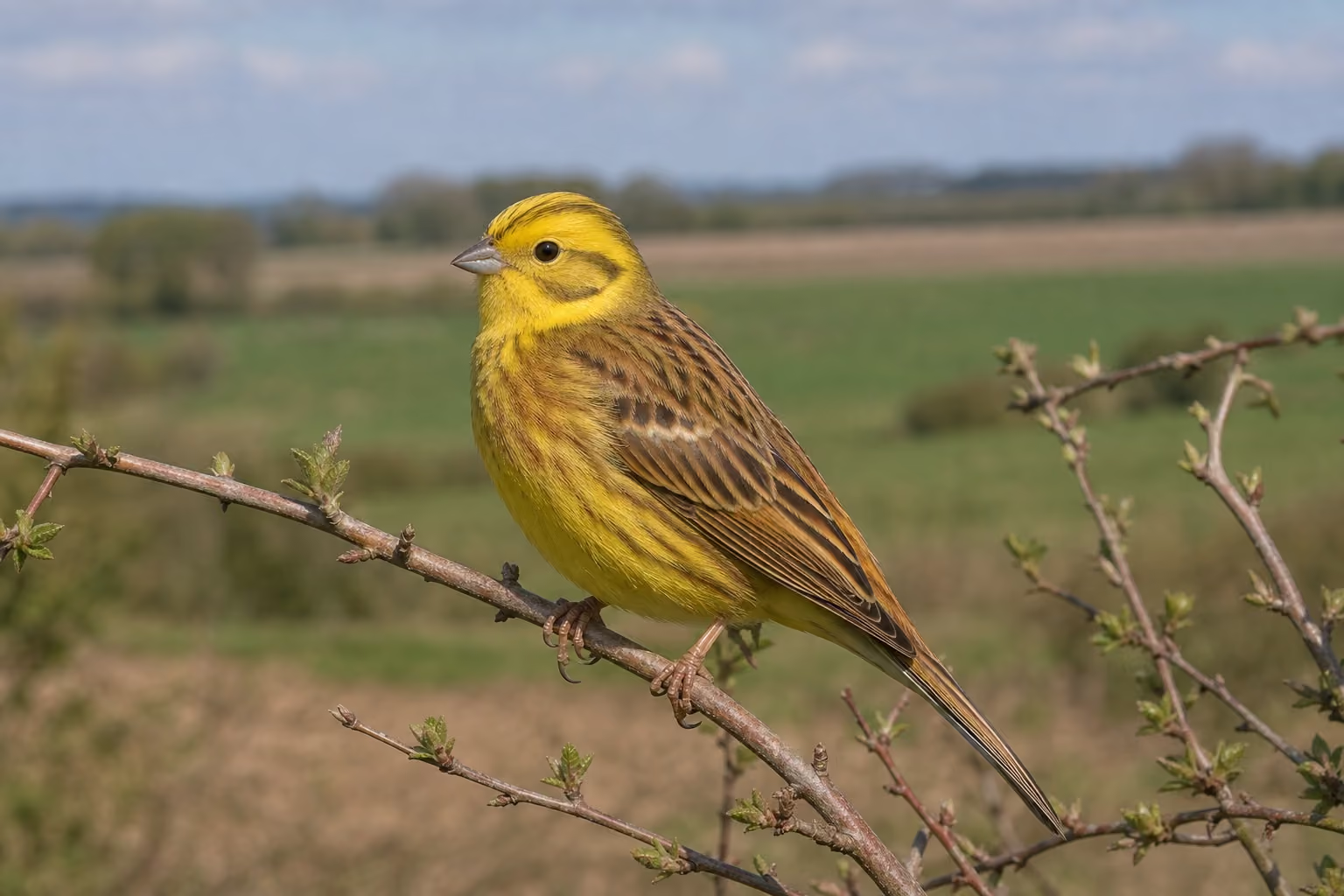
Yellowhammer

Details

Yellowhammer

Emberiza citrinella

Size
16–17 cm · 20–36 g
Diet
Omnivore
Activity
Diurnal
Sociality
Loose group
Lifespan

A bunting with a bright yellow head and underparts, often singing repeated phrases from the top of a bush.
Range

Habitat range map
Native range Occasional / Transient
PalearcticPalearcticPalearcticPalearcticPalearcticPalearcticPalearcticPalearcticPalearcticPalearcticPalearcticPalearcticPalearcticPalearcticPalearcticPalearcticPalearcticPalearcticPalearcticPalearcticPalearcticPalearcticPalearcticPalearcticAustralasianAustralasianAustralasianAustralasianAustralasianAustralasianAustralasianAustralasianAustralasianAustralasianAustralasianAustralasianAustralasianAustralasianAustralasianAustralasianAustralasian

Map: Ecoregions 2017 © RESOLVE (CC BY 4.0) · Natural Earth (PD)

Details

Habitat

Lives in farmland, grassland, woodland edges, hedges, scrub, and open rough ground where grass and shrubs mix.

Appearance

Males show bright yellow head and underparts, brown streaking, and a chestnut rump. Females and young birds are duller and streakier.

Behavior

Breeding males sing from exposed twigs. In winter, birds join mixed flocks and feed on the ground.

Feeding

Seeds, grain, grass seeds, and insects are eaten, with chicks receiving many insects and other animal foods.

Reproduction

Nests are built near the base of grass or shrubs, often in farmland close to seed-rich feeding areas.

Notes

Globally low-risk, but parts of western Europe report declines linked to agricultural change.