595 Featured Specimen
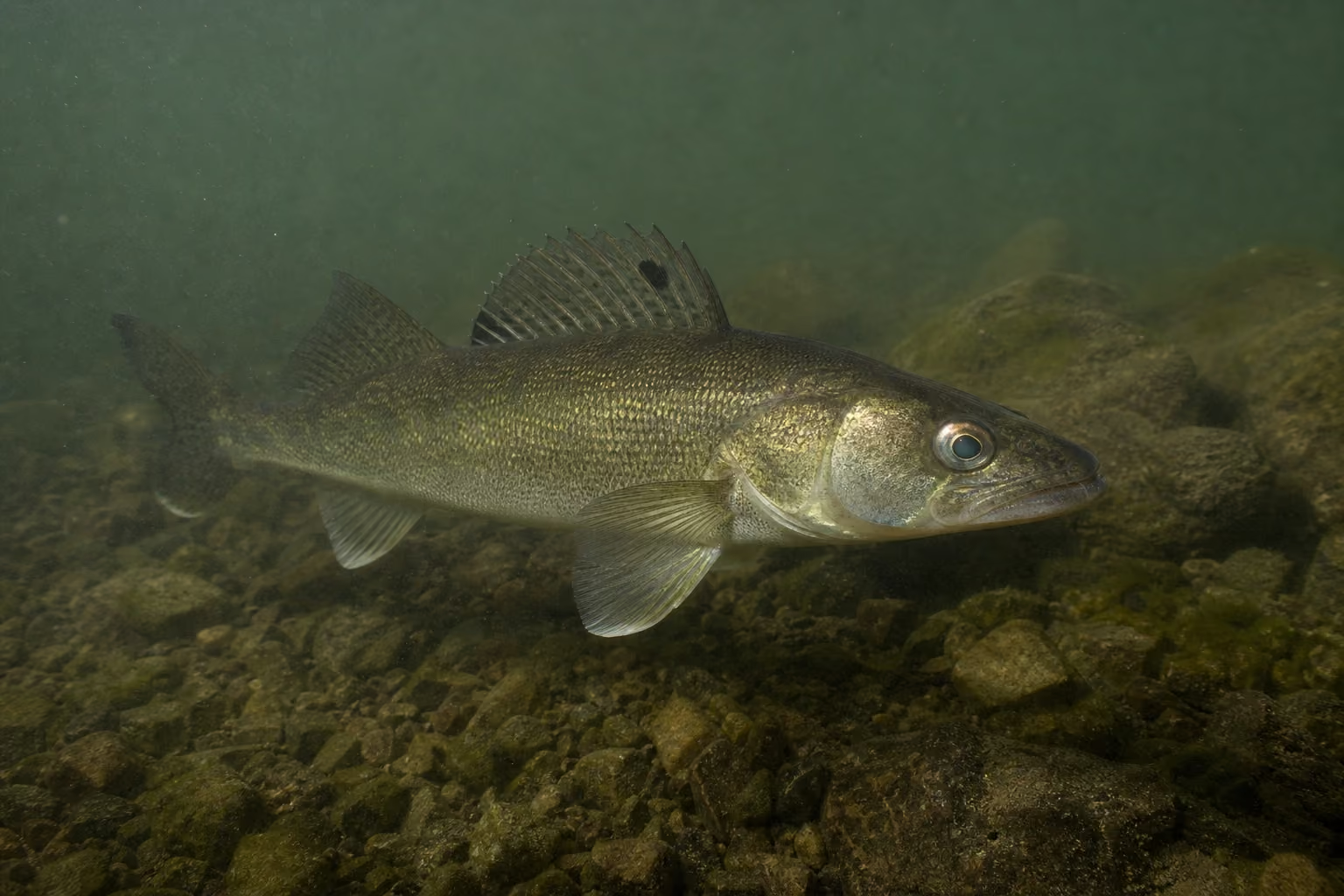
Walleye

Details

Walleye

Sander vitreus

Size
0.3–1.1 m · 0.3–13 kg
Diet
Carnivore
Activity
Crepuscular
Sociality
Loose group
Lifespan

A North American predatory fish of lakes and large rivers. Its reflective eyes help it hunt in dim or turbid water.
Range

Habitat range map
Native range Occasional / Transient
NearcticNearcticNearcticNearcticNearcticNearcticNearcticNearcticNearcticNearcticNearcticNearcticNearcticNearcticNearcticNearcticNearcticNearcticNearcticNearcticNearcticNearcticNearcticNearcticNearcticNearcticNearcticNearcticNearcticNearcticNearcticNearcticNearcticNearcticNearcticNearcticNearcticNearcticNearcticNearcticNearctic

Map: Ecoregions 2017 © RESOLVE (CC BY 4.0) · Natural Earth (PD)

Details

Habitat

Occurs mainly in Canada and the northern United States, using lakes, reservoirs, and large rivers with reefs, depth, or murky water.

Appearance

The body is long and olive to golden brown. Large pale eyes and a dark mark on the dorsal fin are key features.

Behavior

It rests deeper or in shade during bright daylight and moves shallower around dusk and dawn to feed.

Feeding

It mainly eats fish, but also takes insects and crayfish. Vision is central to hunting in low light.

Reproduction

Adults broadcast eggs over shallow rocks or flowing water in spring. They do not guard the eggs.

Notes

Walleye is a major food and sport fish in North America and has been stocked beyond parts of its native range.