749 Featured Specimen
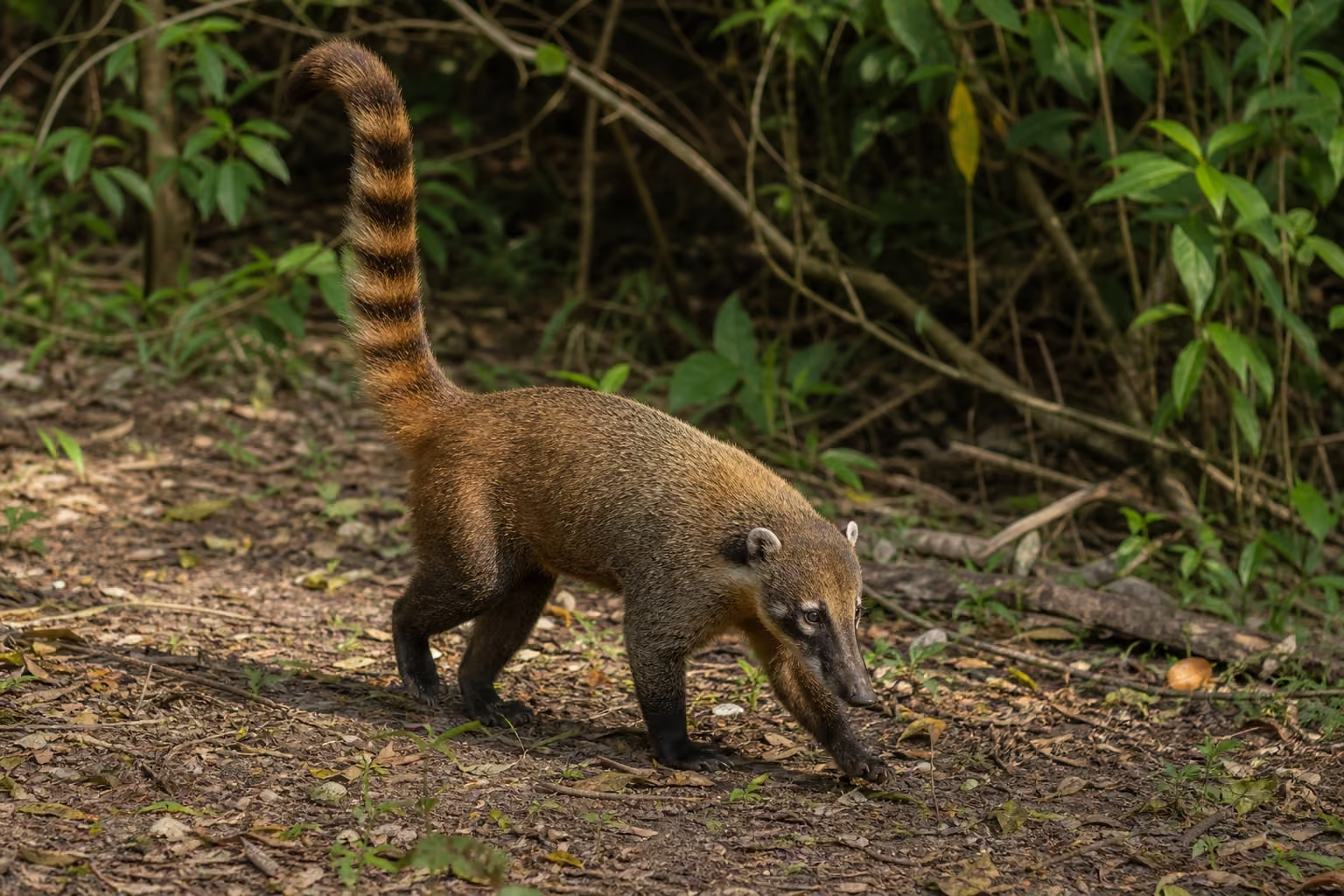
South American coati

Details

South American coati

Nasua nasua

Size
0.9–1.3 m · 3–7 kg
Diet
Omnivore
Activity
Diurnal
Sociality
Herd
Lifespan

A South American procyonid of forests and savannas, with a long mobile snout and banded tail. It often forages by day in social groups.
Range

Habitat range map
Native range Occasional / Transient
NeotropicalNeotropicalNeotropicalNeotropicalNeotropicalNeotropicalNeotropicalNeotropical

Map: Ecoregions 2017 © RESOLVE (CC BY 4.0) · Natural Earth (PD)

Details

Habitat

South American coatis use tropical forest, dry forest, savanna, and wooded grassland edges. They combine arboreal resting sites with terrestrial foraging.

Appearance

They have an elongated snout, brown coat, and long ringed tail. The tail is often carried upright and helps group members keep visual contact.

Behavior

Females and young form bands, while adult males are often solitary. Groups forage by day, probing soil, logs, and leaf litter.

Feeding

They eat fruits, insects, spiders, larvae, eggs, and small vertebrates. The flexible nose is used to search soil and litter for food.

Reproduction

Males join female bands during the breeding season. Females give birth in tree or vegetation nests and later rejoin the group with young.

Notes

In tourist areas, coatis may become habituated to human food. Feeding them increases bite risk and can harm natural foraging behavior.