441 Featured Specimen
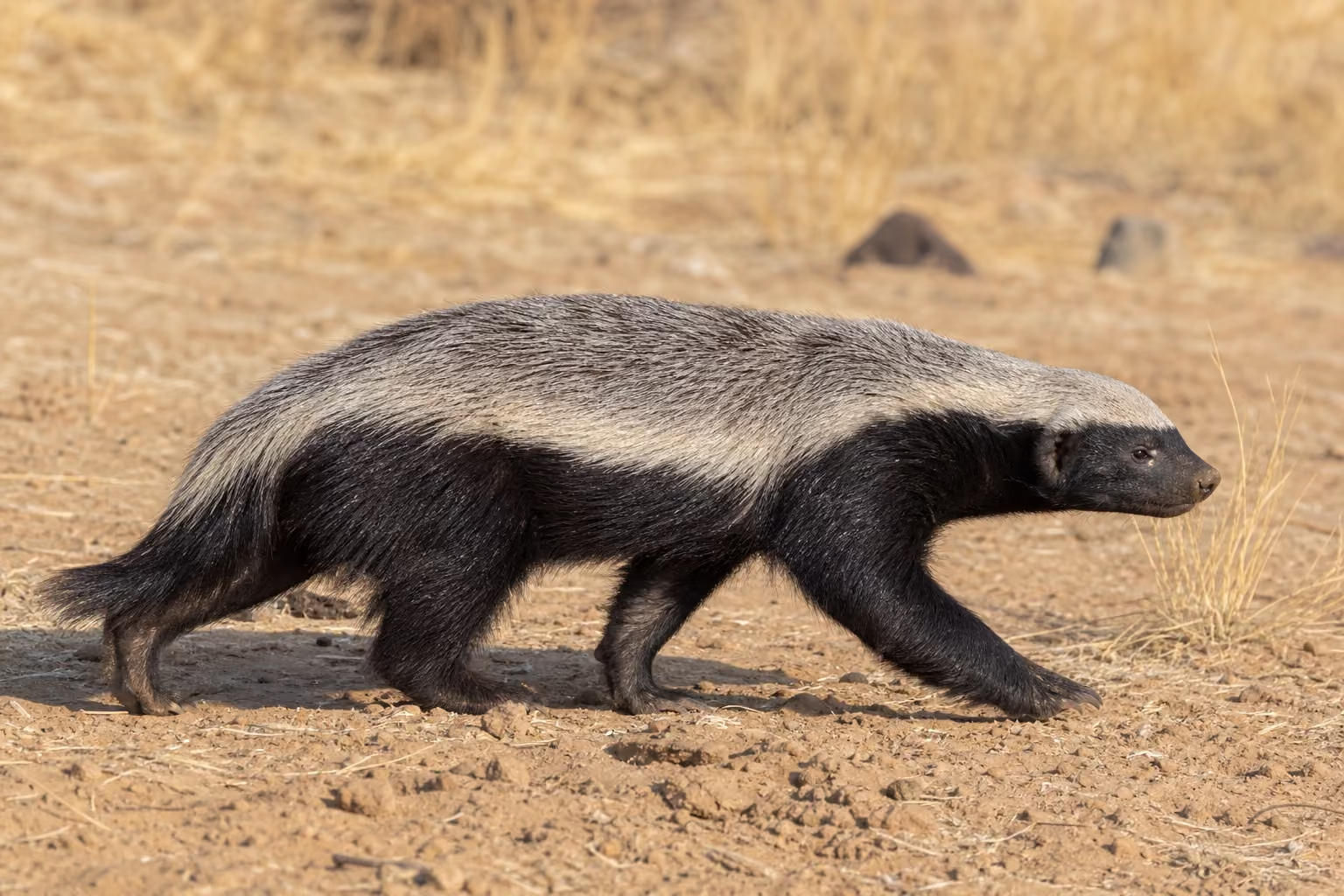
Honey badger

Details

Honey badger

Mellivora capensis

Size
55–77 cm · 6–16 kg
Diet
Carnivore
Activity
Nocturnal
Sociality
Solitary
Lifespan
7–8 years

The honey badger is a tough mustelid with thick skin and powerful jaws. It ranges from dry grassland to forest, searching at night for small animals and bee nests.
Range

Habitat range map
Native range Occasional / Transient
PalearcticPalearcticPalearcticPalearcticPalearcticPalearcticPalearcticPalearcticPalearcticPalearcticPalearcticPalearcticPalearcticPalearcticPalearcticPalearcticPalearcticPalearcticPalearcticPalearcticPalearcticPalearcticPalearcticPalearcticAfrotropicalAfrotropicalAfrotropicalAfrotropicalIndomalayanIndomalayanIndomalayanIndomalayanIndomalayanIndomalayanIndomalayanIndomalayanIndomalayanIndomalayanIndomalayanIndomalayanIndomalayanIndomalayanIndomalayan

Map: Ecoregions 2017 © RESOLVE (CC BY 4.0) · Natural Earth (PD)

Details

Habitat

It occurs across Afrotropical, Palearctic, and Indomalayan savannas, grasslands, deserts, and forests. Even in dry country it uses cover and access to water or prey-rich areas.

Appearance

Length 55-77 cm; weight 6-16 kg. A low body, strong forelimbs, long claws, grey-white back, and black underside are distinctive. Loose thick skin helps protect it.

Behavior

Nocturnal and solitary, it is a powerful digger. It opens burrows, logs, and nests while searching for prey.

Feeding

A carnivore, it eats rodents, reptiles, birds, insects, eggs, and carrion. It also raids bee nests for larvae and honey.

Reproduction

Females rear small litters in burrows. Young travel with the mother for an extended period while learning how to dig and find food.

Notes

It is listed as Least Concern. Conflict with beekeeping and poultry can lead to persecution in some areas.