191 Featured Specimen
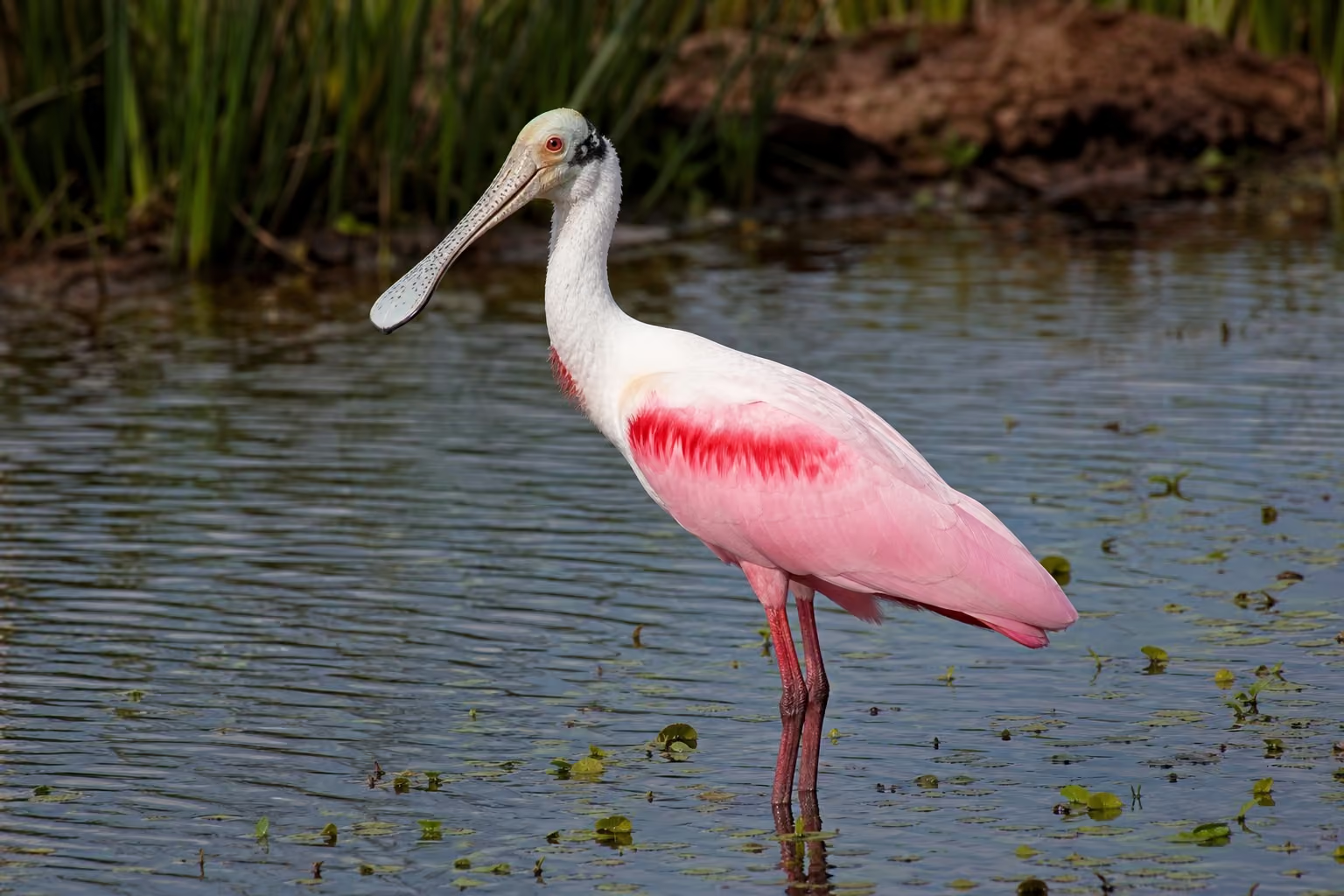
Roseate spoonbill

Details

Roseate spoonbill

Platalea ajaja

Size
Wingspan 1.2–1.3 m · 1.2–1.8 kg
Diet
Carnivore
Activity
Diurnal
Sociality
Colony
Lifespan
8-25 years

The roseate spoonbill is a pink wading bird with a broad spoon-shaped bill. Diurnal birds feed in shallows and breed in colonies.
Range

Habitat range map
Native range Occasional / Transient
NearcticNearcticNearcticNearcticNearcticNearcticNearcticNearcticNearcticNearcticNearcticNearcticNearcticNearcticNearcticNearcticNearcticNearcticNearcticNearcticNearcticNearcticNearcticNearcticNearcticNearcticNearcticNearcticNearcticNearcticNearcticNearcticNearcticNearcticNearcticNearcticNearcticNearcticNearcticNearcticNearcticNeotropicalNeotropicalNeotropicalNeotropicalNeotropicalNeotropicalNeotropicalNeotropical

Map: Ecoregions 2017 © RESOLVE (CC BY 4.0) · Natural Earth (PD)

Details

Habitat

It uses mudflats, mangroves, marshes, shallow lakes, and coastal lagoons. Shallow feeding water and secure nesting trees are important.

Appearance

Wingspan is about 120-133 cm and weight about 1.2-1.8 kg. Pink plumage, a pale neck, long legs, and a flattened bill are distinctive.

Behavior

Active by day, it walks through shallows while sweeping the bill side to side. Feeding groups may mix with other wading birds at colonies.

Feeding

It is carnivorous, taking small fish, crustaceans, and aquatic insects. The open bill snaps shut when prey is touched underwater.

Reproduction

It nests in colonies, building stick nests in trees or mangroves. Adults bring wetland prey back to the chicks.

Notes

Its status is listed as Least Concern. Plumage color is influenced by pigments in food and often reflects wetland food webs.