226 Featured Specimen
Rainbow trout

Details

Rainbow trout

Oncorhynchus mykiss

Size
30–90 cm · 0.5–9 kg
Diet
Carnivore
Activity
Cathemeral
Sociality
Loose group
Lifespan
5-20 years

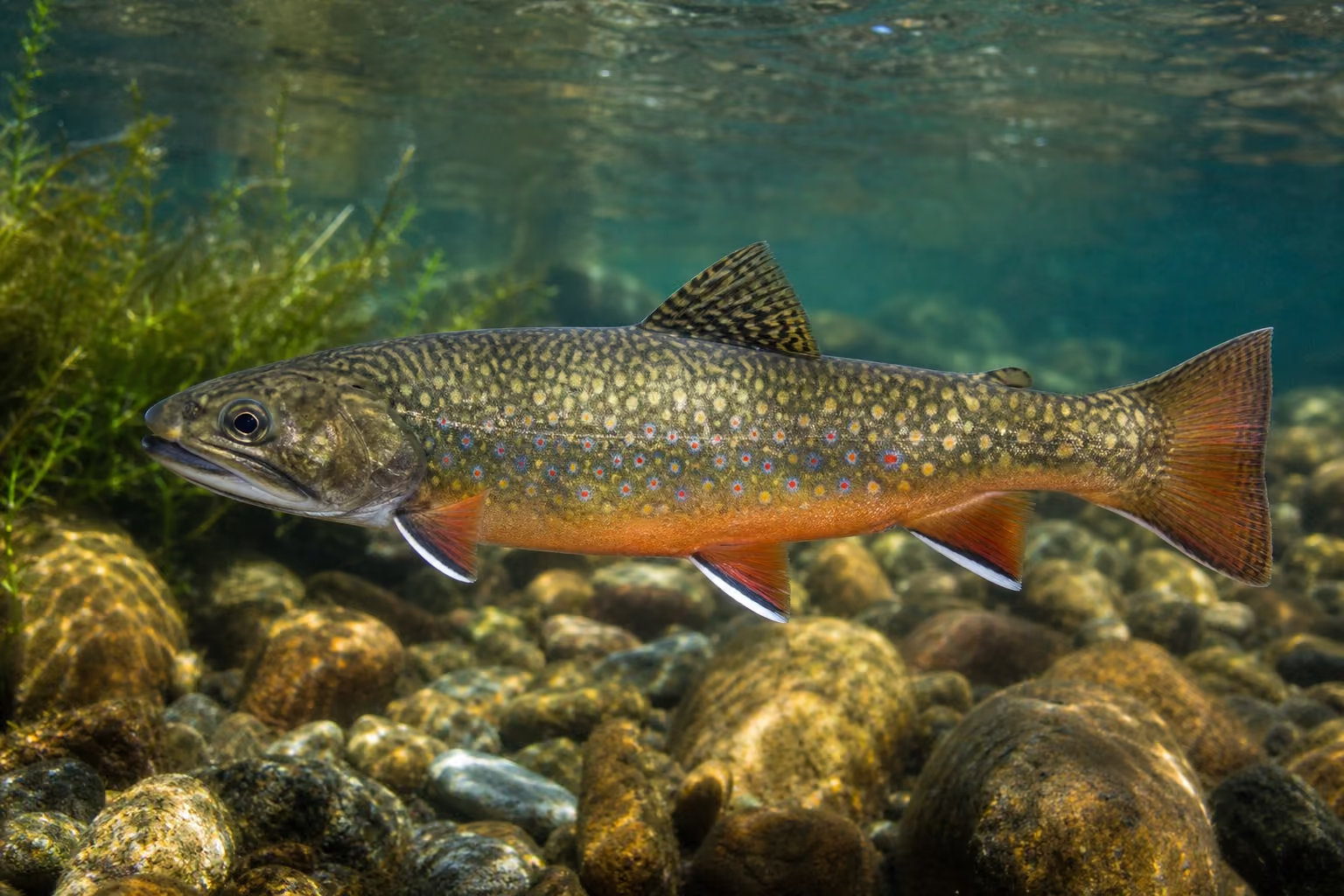
The rainbow trout is a salmonid of cool Nearctic freshwaters. Active across day and night, it takes drifting and swimming prey in clear streams and lakes.
Range

Habitat range map
Native range Occasional / Transient
NearcticNearcticNearcticNearcticNearcticNearcticNearcticNearcticNearcticNearcticNearcticNearcticNearcticNearcticNearcticNearcticNearcticNearcticNearcticNearcticNearcticNearcticNearcticNearcticNearcticNearcticNearcticNearcticNearcticNearcticNearcticNearcticNearcticNearcticNearcticNearcticNearcticNearcticNearcticNearcticNearctic

Map: Ecoregions 2017 © RESOLVE (CC BY 4.0) · Natural Earth (PD)

Details

Habitat

It uses cold, oxygen-rich rivers, streams, and lakes. Gravel beds, inflows, boulders, and woody cover are important freshwater features.

Appearance

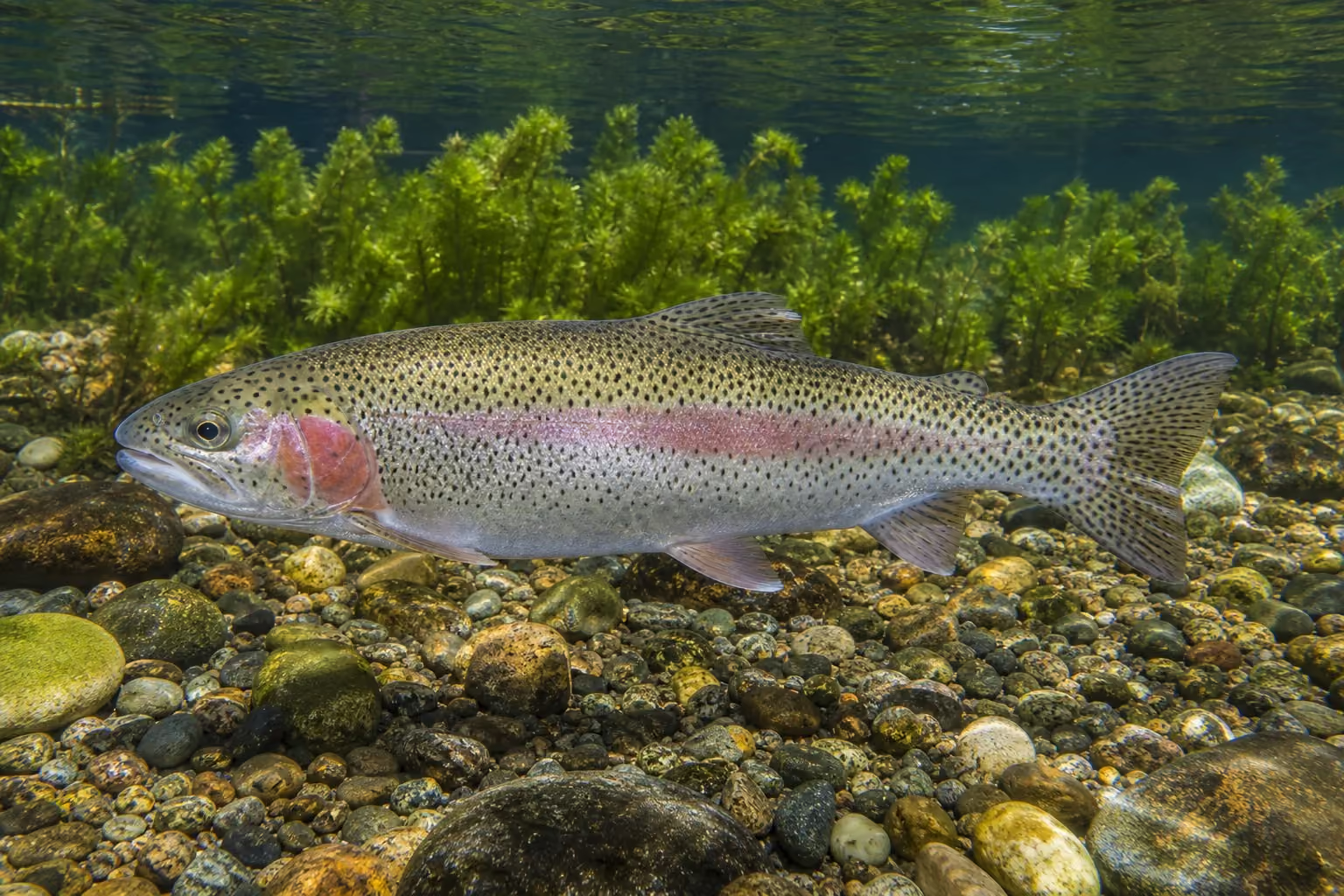
Length is about 30-90 cm and weight about 500-9000 g. A silvery body with black spots and a pink to rainbow side stripe gives the species its name.

Behavior

It holds position in current and waits for food to pass. Fish may be solitary or loosely grouped and can move between lakes and streams.

Feeding

It is carnivorous, eating aquatic insects, terrestrial insects, small fish, and crustaceans. It feeds at the surface, in the current, and near the bottom.

Reproduction

Spawning occurs in cool seasons when females dig redds in gravel. Eggs develop among the stones, and fry grow in gentler stream margins.

Notes

Its status is listed as Least Concern. It has been widely stocked, but introduced populations can compete or hybridize with native salmonids.