400 Featured Specimen
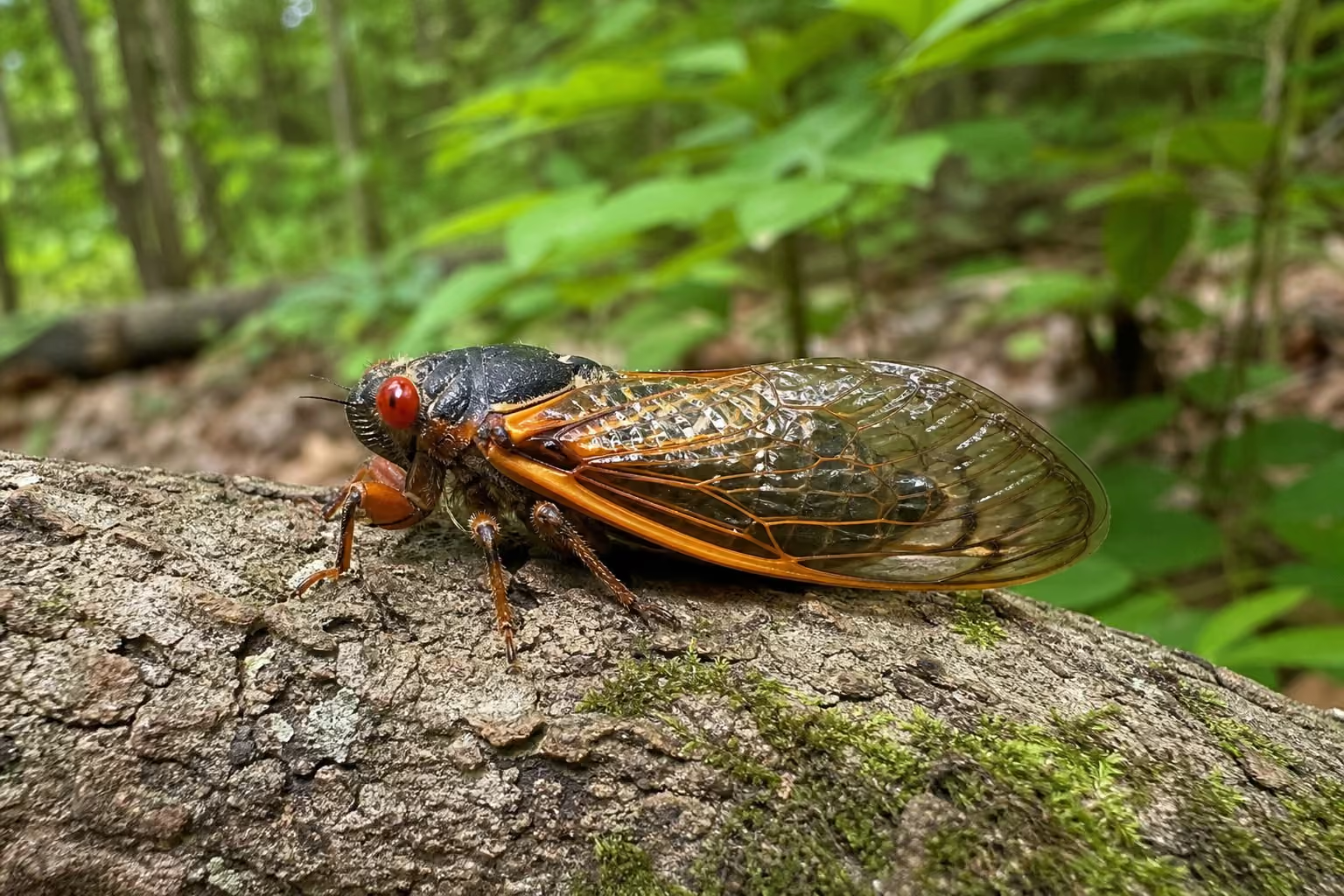
Periodical cicada

Details

Periodical cicada

Magicicada septendecim

Size
2.4–3.3 cm · 0.5–1.2 g
Diet
Herbivore
Activity
Diurnal
Sociality
Loose group
Lifespan
13–17 years

The periodical cicada emerges in synchronized waves after many years underground. Adults call by day and reproduce during a brief aboveground life.
Range

Habitat range map
Native range Occasional / Transient
NearcticNearcticNearcticNearcticNearcticNearcticNearcticNearcticNearcticNearcticNearcticNearcticNearcticNearcticNearcticNearcticNearcticNearcticNearcticNearcticNearcticNearcticNearcticNearcticNearcticNearcticNearcticNearcticNearcticNearcticNearcticNearcticNearcticNearcticNearcticNearcticNearcticNearcticNearcticNearcticNearctic

Map: Ecoregions 2017 © RESOLVE (CC BY 4.0) · Natural Earth (PD)

Details

Habitat

It occupies deciduous forest and urban tree habitats in the Nearctic. Nymphs feed on tree roots and spend most of life underground.

Appearance

Length 2.4-3.3 cm; weight 0.5 g-1.2 g. Adults have a black body, red eyes, and clear wings. After emergence, empty nymphal skins often cover tree trunks in numbers.

Behavior

Diurnal and loosely gregarious, local broods appear in mass. Males call in loud choruses, and sheer numbers help overwhelm predators.

Feeding

A herbivore, the nymph feeds on sap from tree roots. Adults take some plant fluids but are mainly focused on reproduction.

Reproduction

After mating, females cut slits into small twigs and lay eggs. Hatchlings drop to the ground, burrow into soil, and attach to roots.

Notes

It is listed as Least Concern, though local populations can still be affected by habitat change, collection, or pollution.