539 Featured Specimen
Milk snake

Details

Milk snake

Lampropeltis triangulum

Size
Total length 0.6–1.8 m · 0.2–1.3 kg
Diet
Carnivore
Activity
Nocturnal
Sociality
Solitary
Lifespan

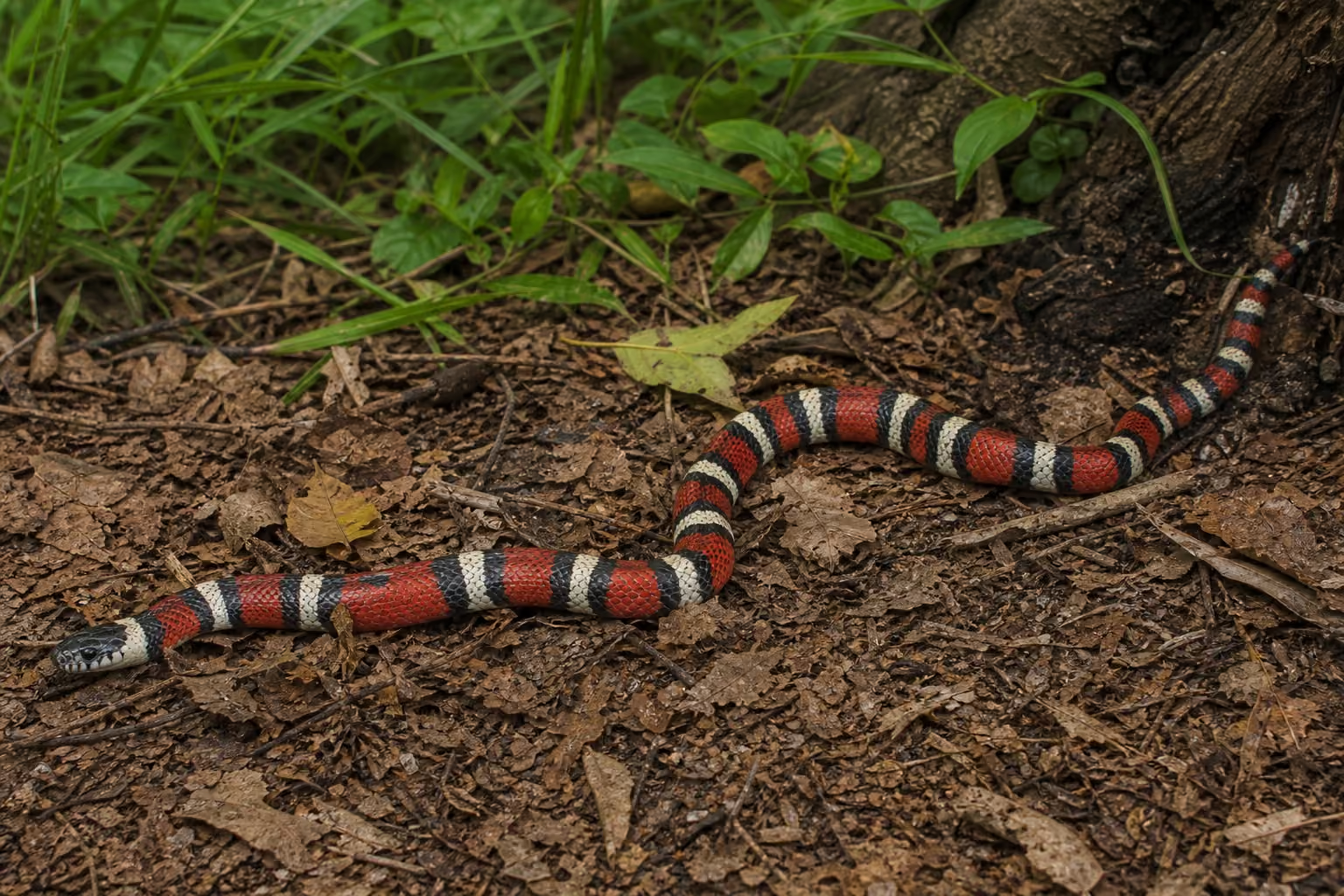
The milk snake is a nonvenomous kingsnake with bold red, black, white or yellow patterning. Its warning colors often resemble those of venomous coral snakes.
Range

Habitat range map
Native range Occasional / Transient
NearcticNearcticNearcticNearcticNearcticNearcticNearcticNearcticNearcticNearcticNearcticNearcticNearcticNearcticNearcticNearcticNearcticNearcticNearcticNearcticNearcticNearcticNearcticNearcticNearcticNearcticNearcticNearcticNearcticNearcticNearcticNearcticNearcticNearcticNearcticNearcticNearcticNearcticNearcticNearcticNearcticNeotropicalNeotropicalNeotropicalNeotropicalNeotropicalNeotropicalNeotropicalNeotropical

Map: Ecoregions 2017 © RESOLVE (CC BY 4.0) · Natural Earth (PD)

Details

Habitat

It ranges from southeastern Canada through the United States, Mexico, Central America and into northern South America. Forest, grassland, farms, rocky slopes and settlements are all used.

Appearance

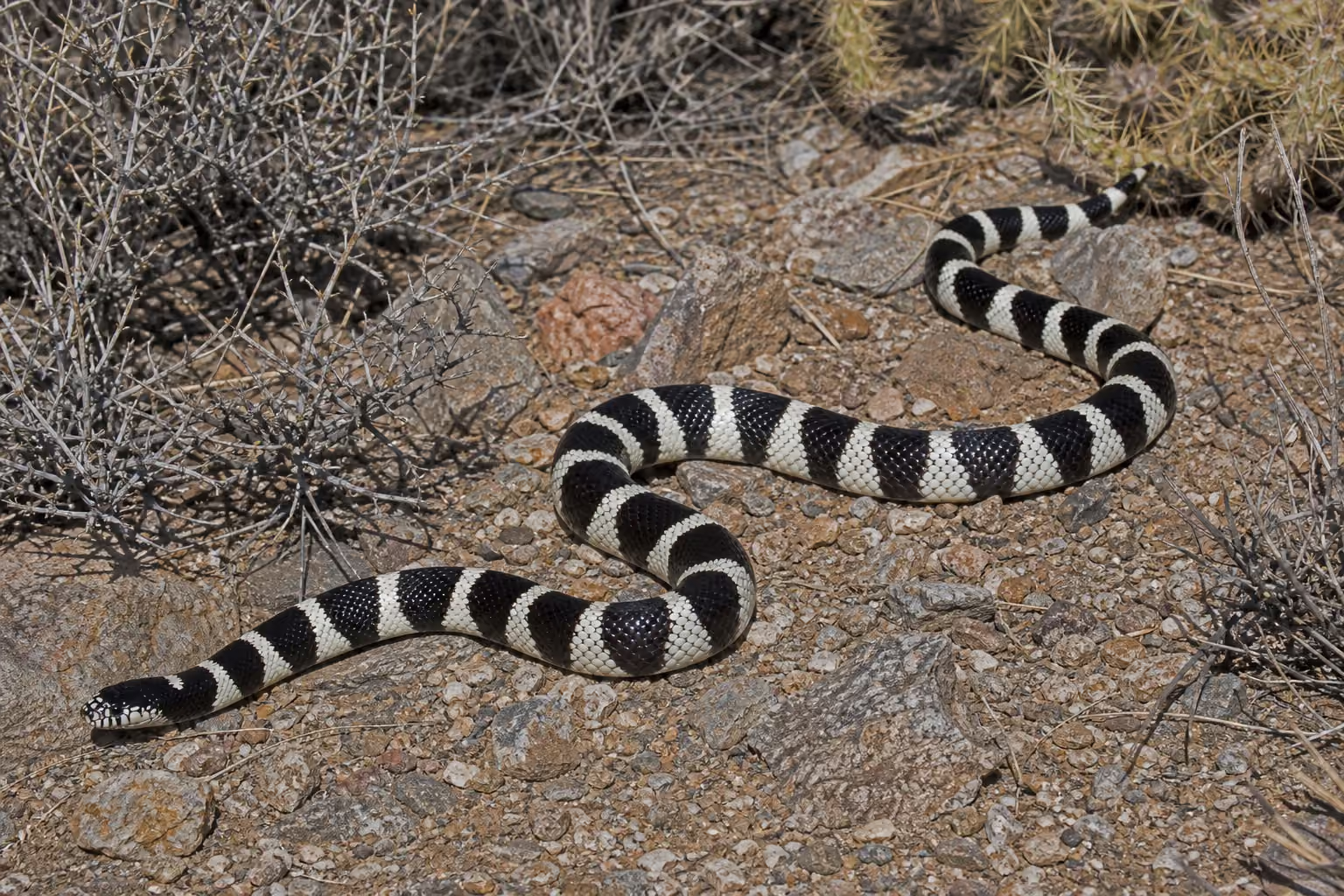
Adults are roughly 60-175 cm long and 200-1300 g. Pattern varies widely by region, from bright tri-colored bands to blotched or muted forms.

Behavior

Usually solitary, it is often nocturnal or crepuscular. In cooler regions it hibernates in dry upland shelters or underground retreats.

Feeding

It constricts small mammals, lizards, birds, eggs and other snakes. The species is harmless to people and subdues prey with body coils rather than venom.

Reproduction

Females lay about 3-24 eggs in early summer under logs, rocks or rotting vegetation. Incubation lasts roughly two months.

Notes

The name comes from a folk belief that the snake drank milk from cows. It was more likely entering barns to hunt rodents.