744 Featured Specimen
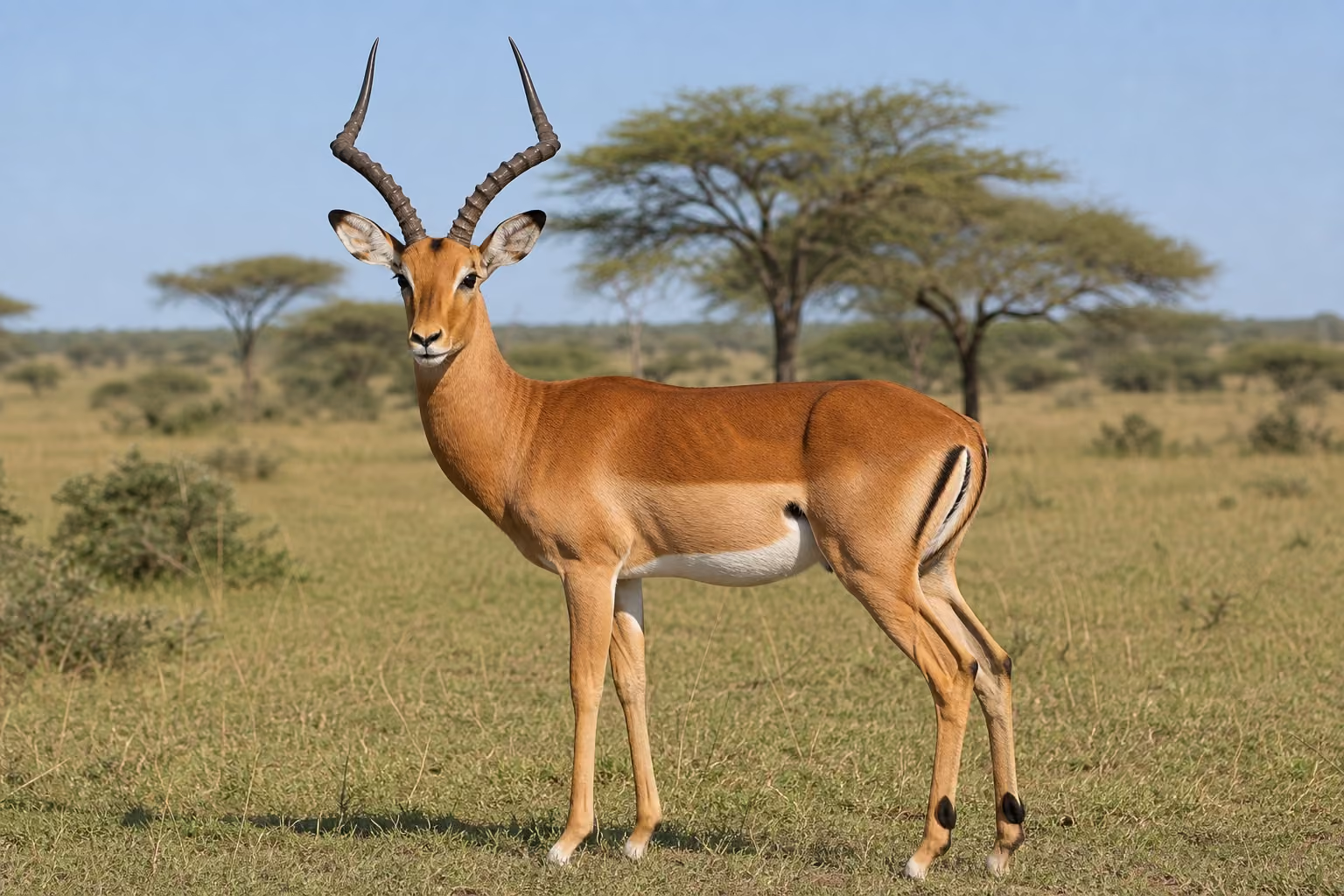
Impala

Details

Impala

Aepyceros melampus

Size
1.2–1.6 m · 40–75 kg
Diet
Herbivore
Activity
Diurnal
Sociality
Herd
Lifespan

A medium-sized antelope of eastern and southern African savannas. It is agile, slender, and known for high leaps when escaping predators.
Range

Habitat range map
Native range Occasional / Transient
AfrotropicalAfrotropicalAfrotropicalAfrotropical

Map: Ecoregions 2017 © RESOLVE (CC BY 4.0) · Natural Earth (PD)

Details

Habitat

Impalas inhabit wooded savanna, grassland, shrubland, and open areas near water. They avoid dense forest and extremely arid desert.

Appearance

The coat is reddish brown with a white belly and black markings on the hind legs. Males have long lyre-shaped horns, while females are hornless.

Behavior

They live in herds and may leap dramatically when alarmed. During the rut, males defend territories or groups of females.

Feeding

They graze heavily in wet seasons and browse leaves and shoots in dry seasons. This mixed feeding strategy helps them persist through seasonal change.

Reproduction

Births may be synchronized with local rainy seasons. Calves hide at first, then join nursery groups and the maternal herd.

Notes

The species is widespread and common, though some subspecies and local populations require management for habitat fragmentation and hybridization risks.