Details
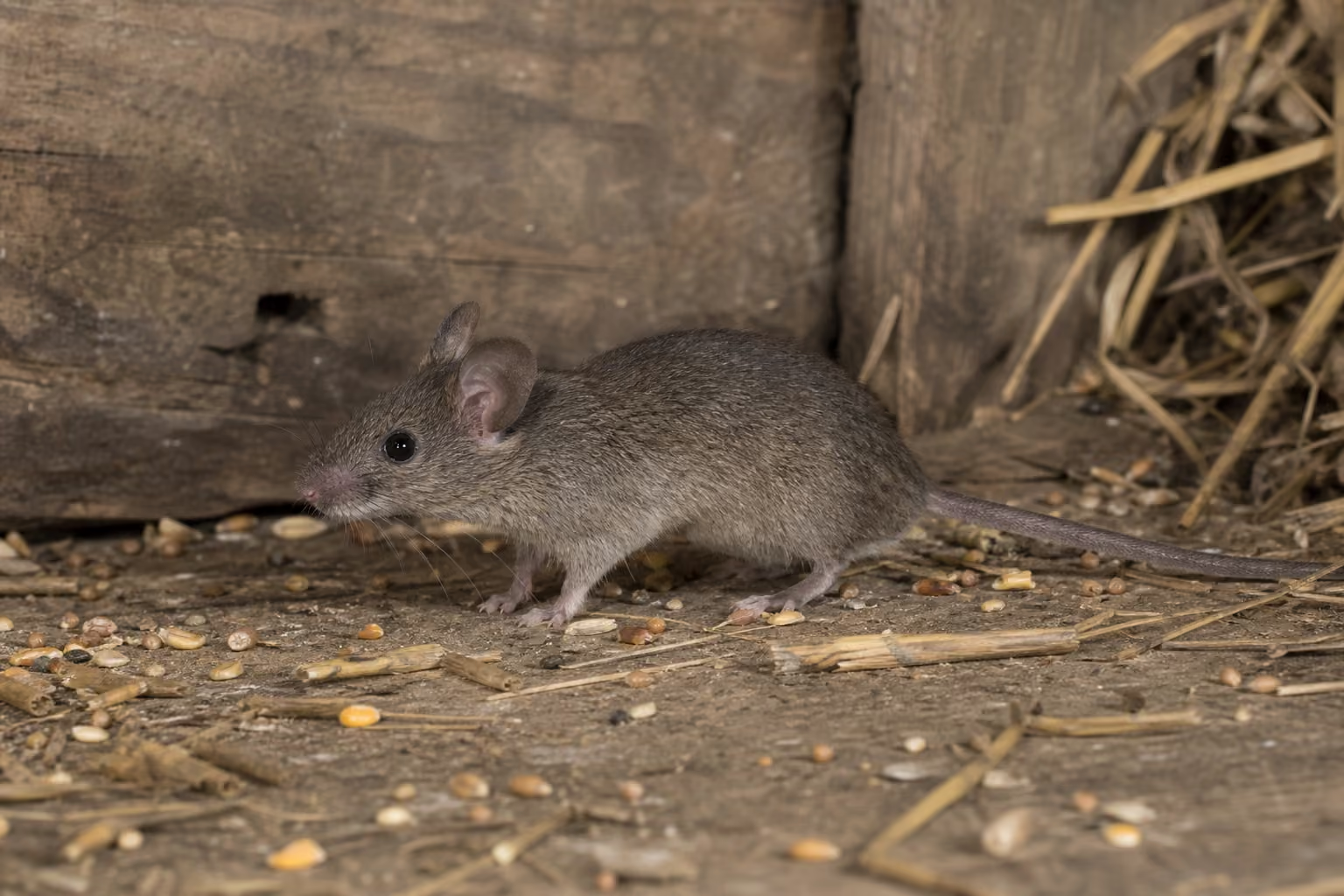
House mouse
Mus musculus
- Size
- 13–20 cm · 12–30 g
- Diet
- Omnivore
- Activity
- Nocturnal
- Sociality
- Loose group
- Lifespan
- —
A small mouse highly adapted to human environments, now spread worldwide through buildings, farms, and storage areas.
Details
Mus musculus
A small mouse highly adapted to human environments, now spread worldwide through buildings, farms, and storage areas.
Map: Ecoregions 2017 © RESOLVE (CC BY 4.0) · Natural Earth (PD)
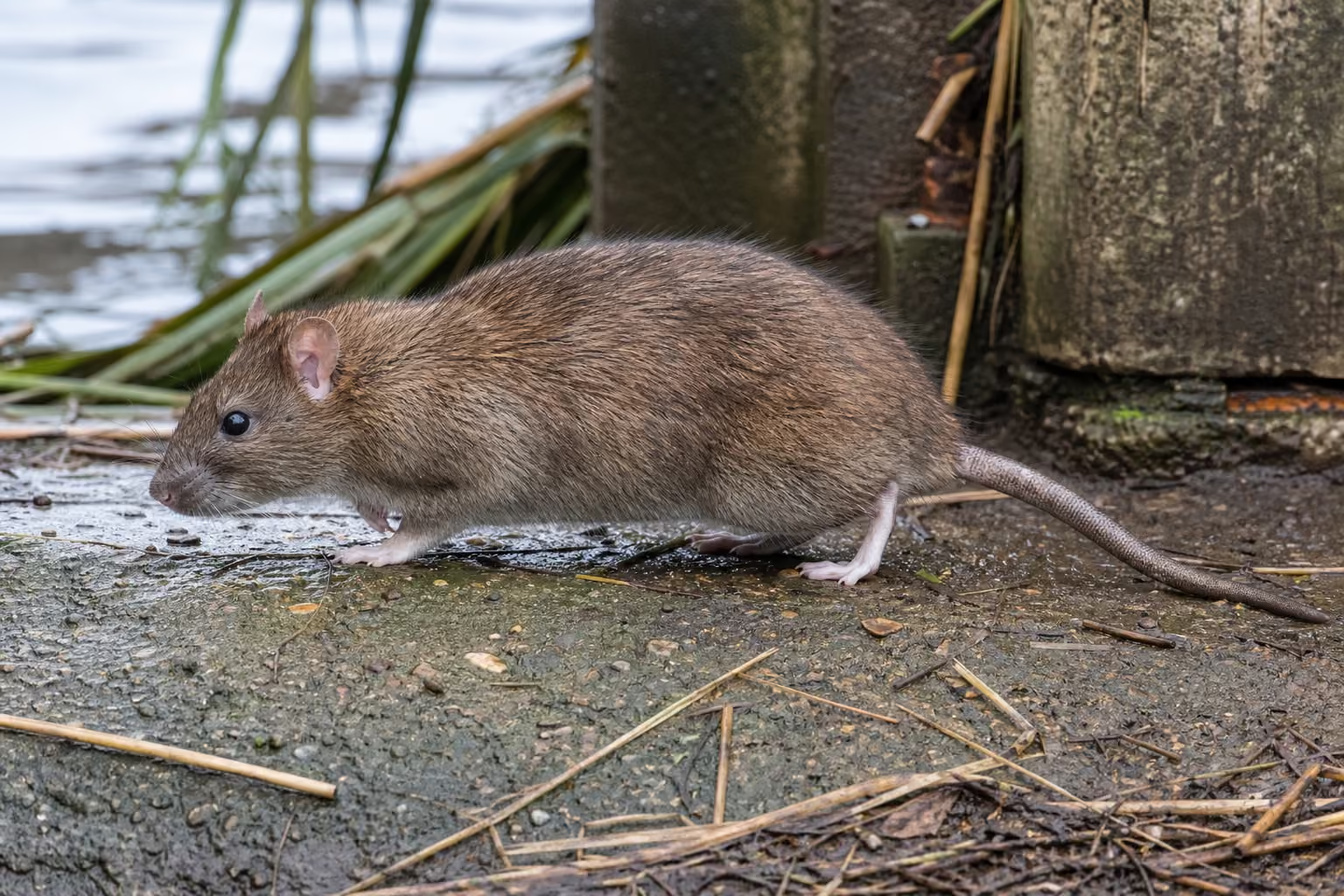
Occurs in houses, warehouses, fields, grassland, ports, and rough ground, often depending on buildings in cold climates.
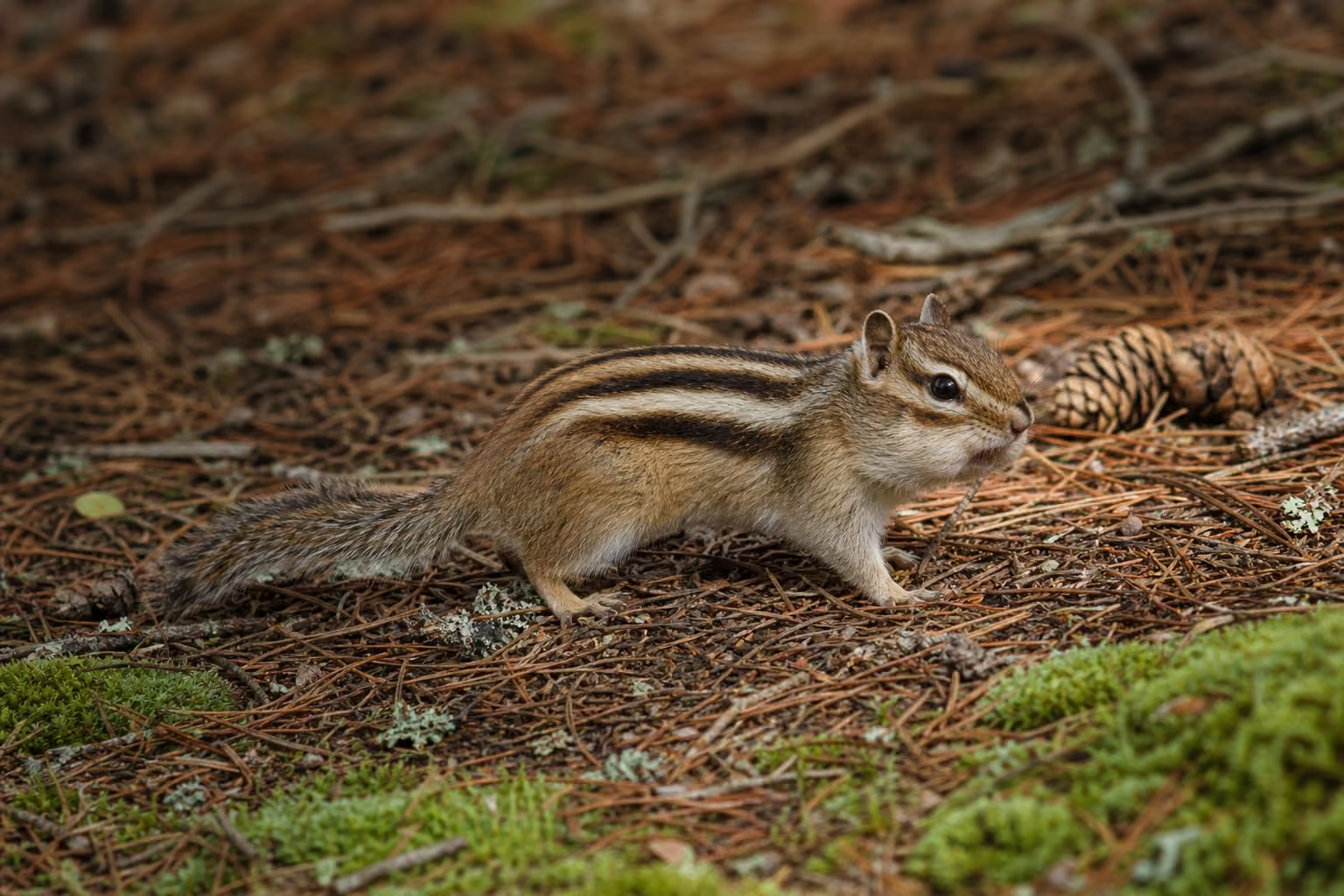
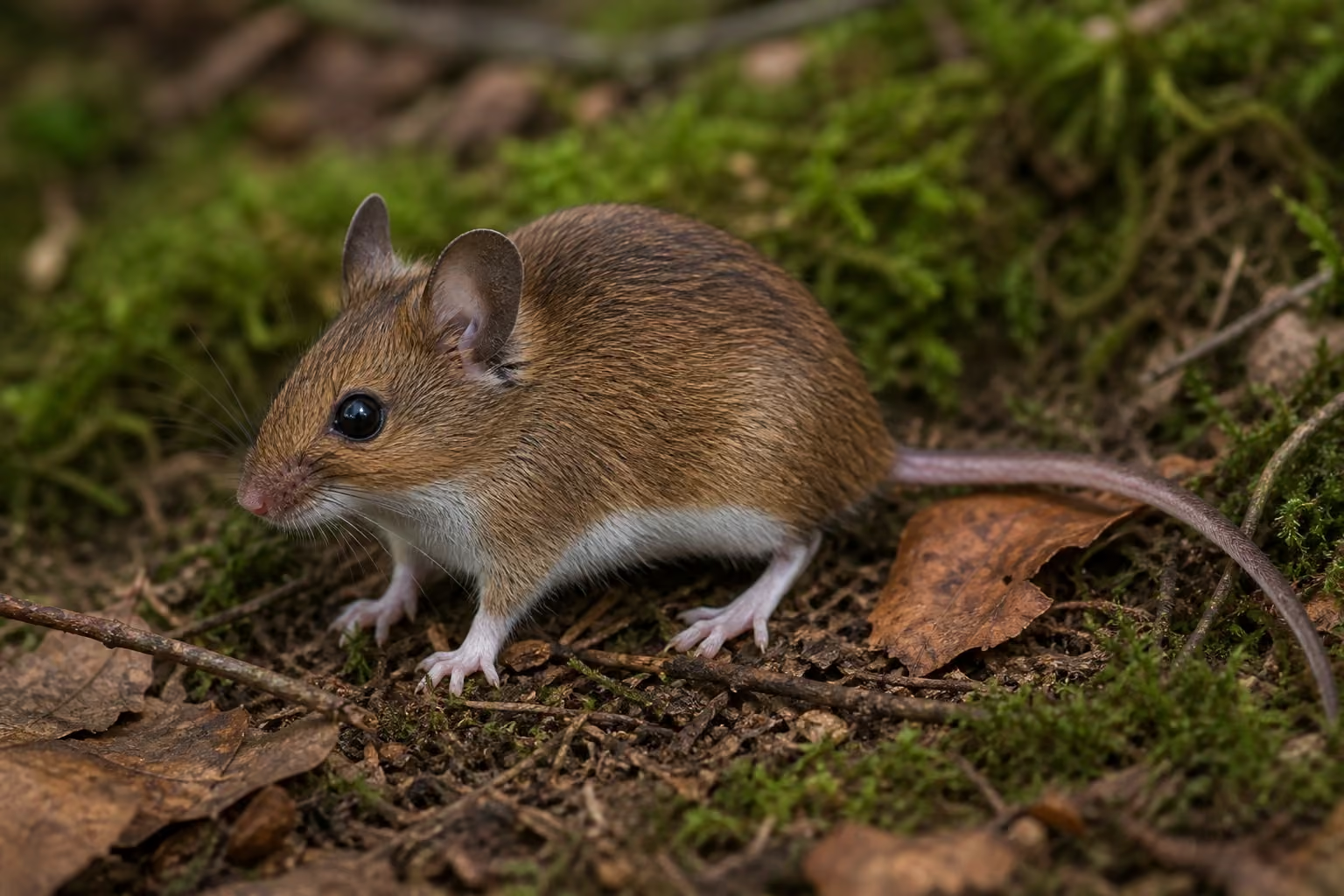
The body is small with large ears, black eyes, and a long thin tail. Fur is gray-brown to brown with a paler belly.
Mostly nocturnal, it moves along walls and cover. High reproductive output lets populations rise quickly where food is abundant.
Grain, seeds, fruit, insects, and human foods are eaten, with many small nibbling bouts.
Litters are born in hidden nests of gathered material. Gestation is short, and repeated breeding occurs under good conditions.
Globally low-risk; on islands, predation and competition with native wildlife can become a major management issue.