717 Featured Specimen
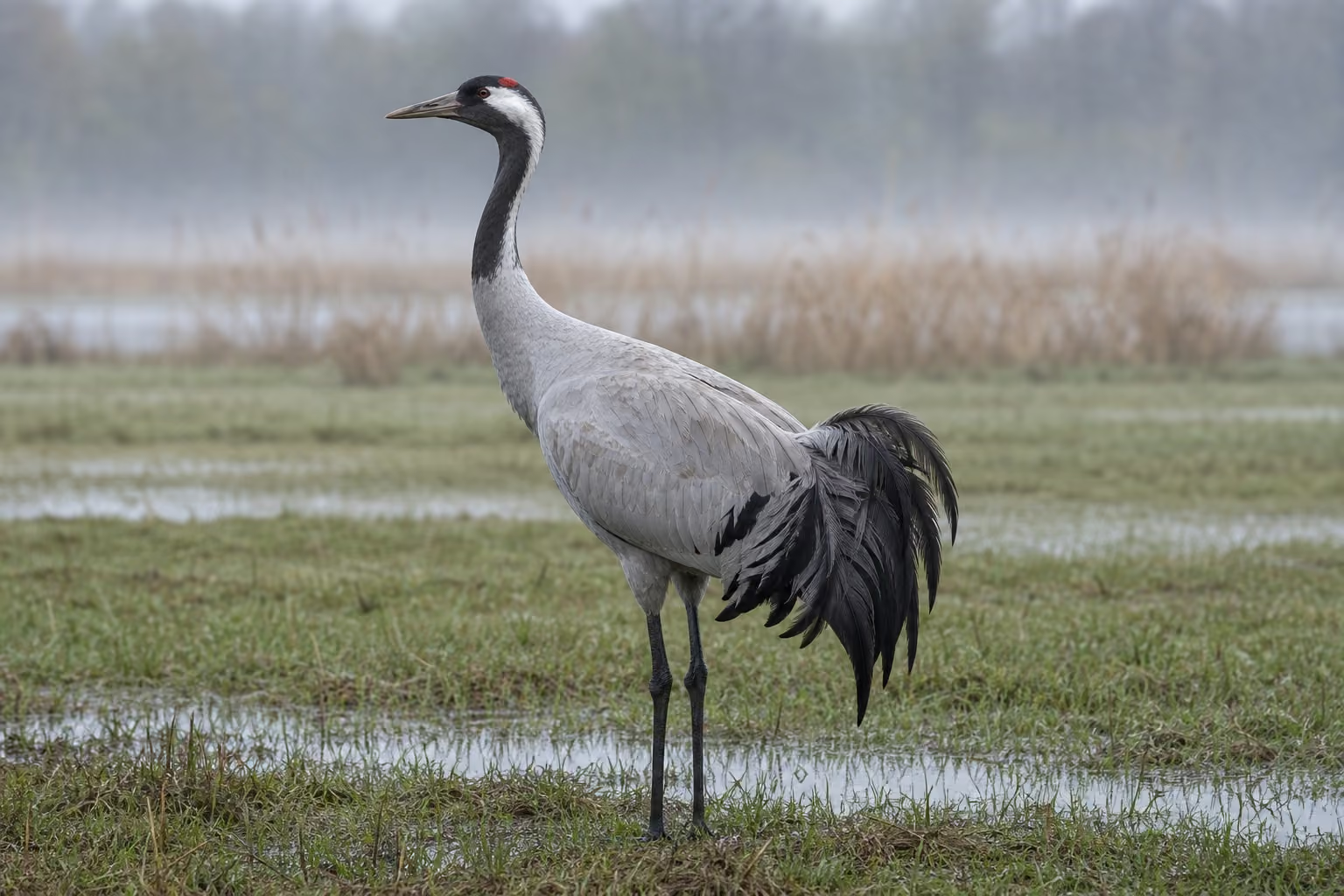
Common crane

Details

Common crane

Grus grus

Size
1–1.2 m · 4–7 kg
Diet
Omnivore
Activity
Diurnal
Sociality
Herd
Lifespan

A large migratory crane breeding in wetlands from Europe across Asia, with a gray body, black-and-white neck, and red crown.
Range

Habitat range map
Native range Occasional / Transient
PalearcticPalearcticPalearcticPalearcticPalearcticPalearcticPalearcticPalearcticPalearcticPalearcticPalearcticPalearcticPalearcticPalearcticPalearcticPalearcticPalearcticPalearcticPalearcticPalearcticPalearcticPalearcticPalearcticPalearcticAfrotropicalAfrotropicalAfrotropicalAfrotropicalIndomalayanIndomalayanIndomalayanIndomalayanIndomalayanIndomalayanIndomalayanIndomalayanIndomalayanIndomalayanIndomalayanIndomalayanIndomalayanIndomalayanIndomalayan

Map: Ecoregions 2017 © RESOLVE (CC BY 4.0) · Natural Earth (PD)

Details

Habitat

Breeds in bogs, marshes, lake edges, and river meadows, using farmland, shallow wetlands, and grassland on migration and in winter.

Appearance

The body is gray, the neck is black and white, and the crown has red bare skin. Drooping inner wing feathers can look like a tail.

Behavior

Pairs and family groups travel together, forming large flocks during migration. Displays include loud duets, bows, and jumps.

Feeding

Aquatic plants, grain, shoots, roots, insects, frogs, and small vertebrates are eaten, with spilled grain used in fields.

Reproduction

A plant platform nest is built on wet ground. Both adults incubate and rear chicks, which walk with the parents to feed.

Notes

Globally low-risk; wetland protection and management of migration stopovers remain important for regional populations.