123 Featured Specimen
Greater glider

Details

Greater glider

Petauroides volans

Size
35–45 cm · 0.9–1.7 kg
Diet
Herbivore
Activity
Nocturnal
Sociality
Solitary
Lifespan
10-20 years

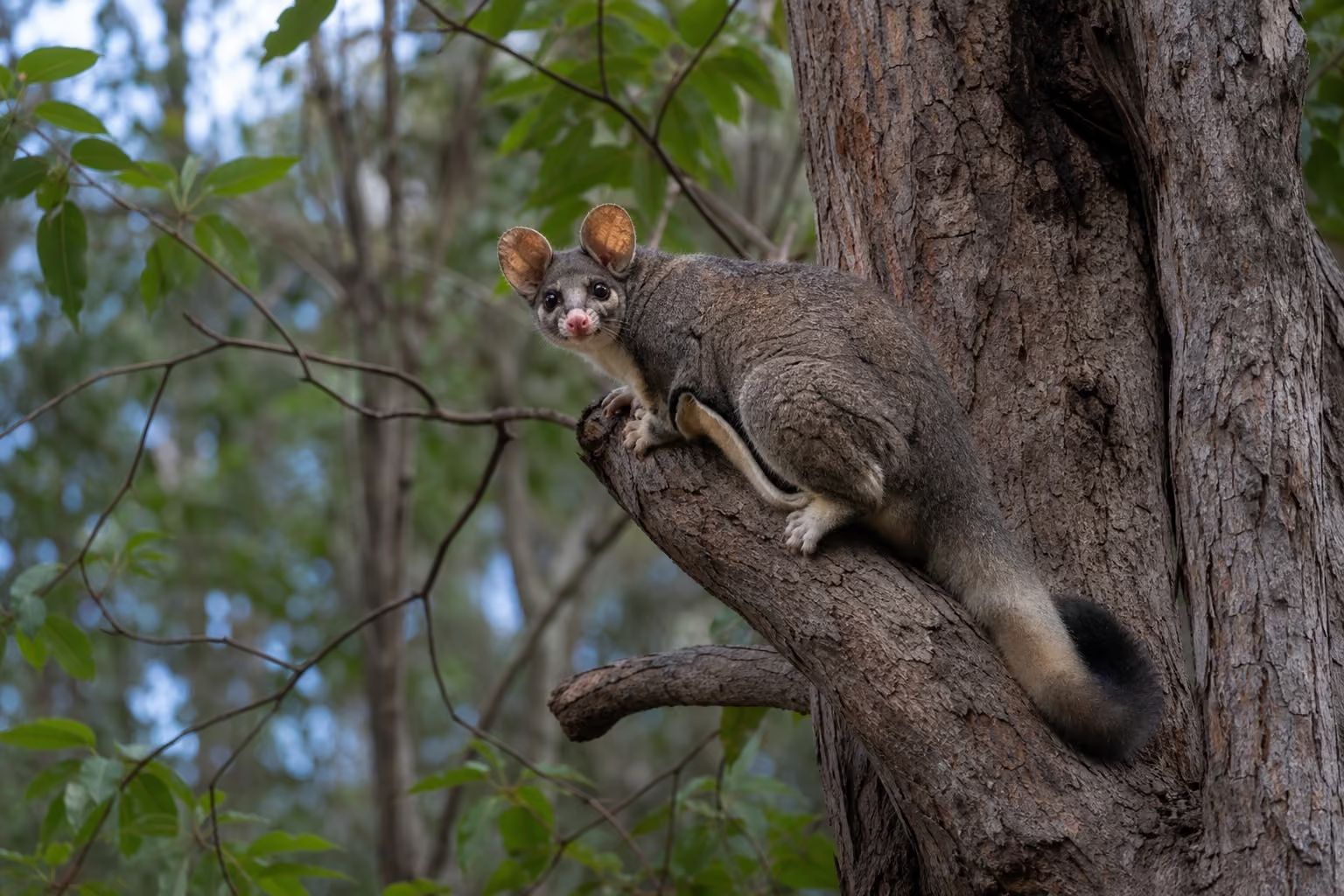
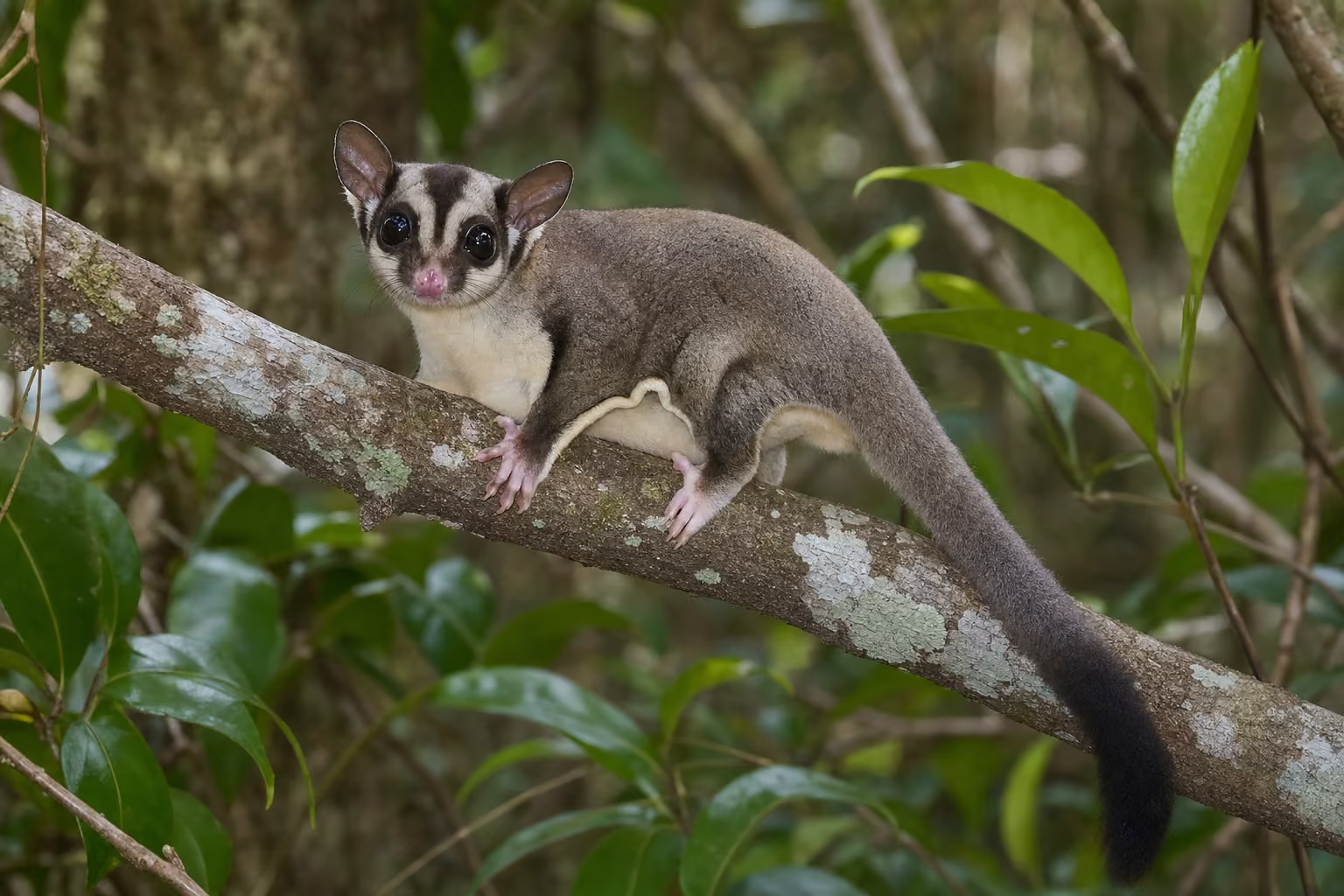
The greater glider is a nocturnal marsupial of Australian forests. Solitary and arboreal, it glides between trees rather than moving on the ground.
Range

Habitat range map
Native range Occasional / Transient

Map: Ecoregions 2017 © RESOLVE (CC BY 4.0) · Natural Earth (PD)

Details

Habitat

It depends on forest with large trees and hollows. Eucalypt foliage provides food, and hollows are important daytime shelters.

Appearance

Body length is about 35-45 cm and weight about 900-1,700 g. Large ears, a long tail, and gliding membranes allow quiet movement through the canopy.

Behavior

Nocturnal individuals use solitary ranges. They feed in trees and rarely descend to the ground.

Feeding

It is herbivorous, feeding mainly on eucalypt leaves. Because the diet is low in energy, its lifestyle tends to be economical and deliberate.

Reproduction

The young is born undeveloped and grows in the mother's pouch. After emerging, it may remain near the mother or den site for some time.

Notes

Its status is listed as Endangered. Loss of hollow-bearing forest and fire impacts are major concerns.