174 Featured Specimen
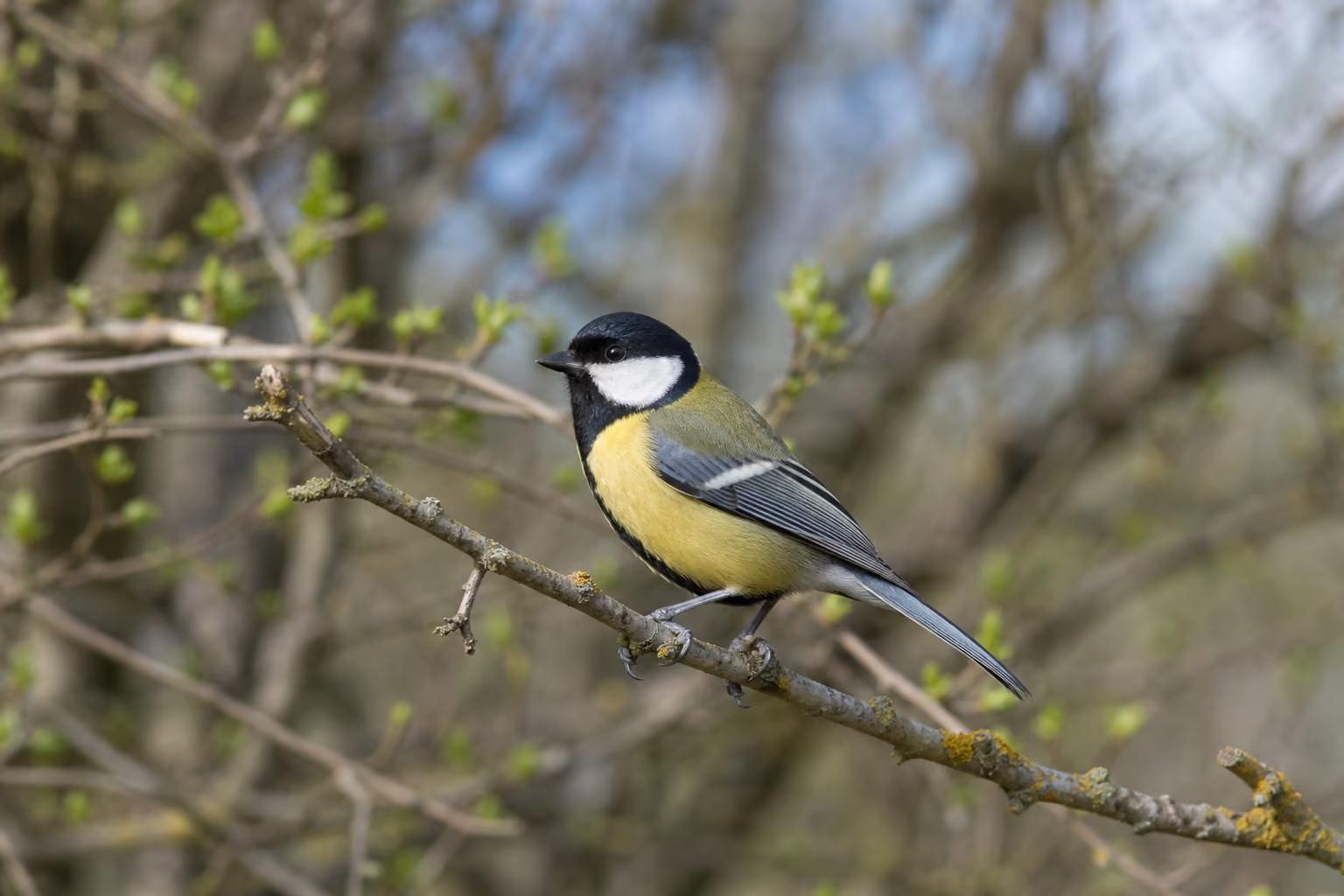
Great tit

Details

Great tit

Parus major

Size
Wingspan 22–26 cm · 14–22 g
Diet
Omnivore
Activity
Diurnal
Sociality
Pair
Lifespan
8-25 years

The great tit is a familiar small bird of Eurasian woods, gardens, and parks. Diurnal pairs breed in cavities and may join flocks outside breeding.
Range

Habitat range map
Native range Occasional / Transient
PalearcticPalearcticPalearcticPalearcticPalearcticPalearcticPalearcticPalearcticPalearcticPalearcticPalearcticPalearcticPalearcticPalearcticPalearcticPalearcticPalearcticPalearcticPalearcticPalearcticPalearcticPalearcticPalearcticPalearctic

Map: Ecoregions 2017 © RESOLVE (CC BY 4.0) · Natural Earth (PD)

Details

Habitat

It uses deciduous and mixed forest, gardens, parks, and orchards. Tree holes or nest boxes and a mix of insects and seeds are important.

Appearance

Wingspan is about 22-26 cm and weight about 14-22 g. Yellow underparts, a black head, white cheeks, and a black belly stripe are distinctive.

Behavior

Active by day, it moves quickly through branches while foraging. Its varied calls change with social setting, alarm, and breeding behavior.

Feeding

It is omnivorous, eating insects, larvae, spiders, seeds, and nuts. During breeding, adults bring many animal foods to the chicks.

Reproduction

Pairs nest in tree holes or nest boxes, lining them with moss, hair, and soft material. Adults make frequent feeding visits to the young.

Notes

Its status is listed as Least Concern. It adapts well to urban green spaces and readily uses nest boxes.