215 Featured Specimen
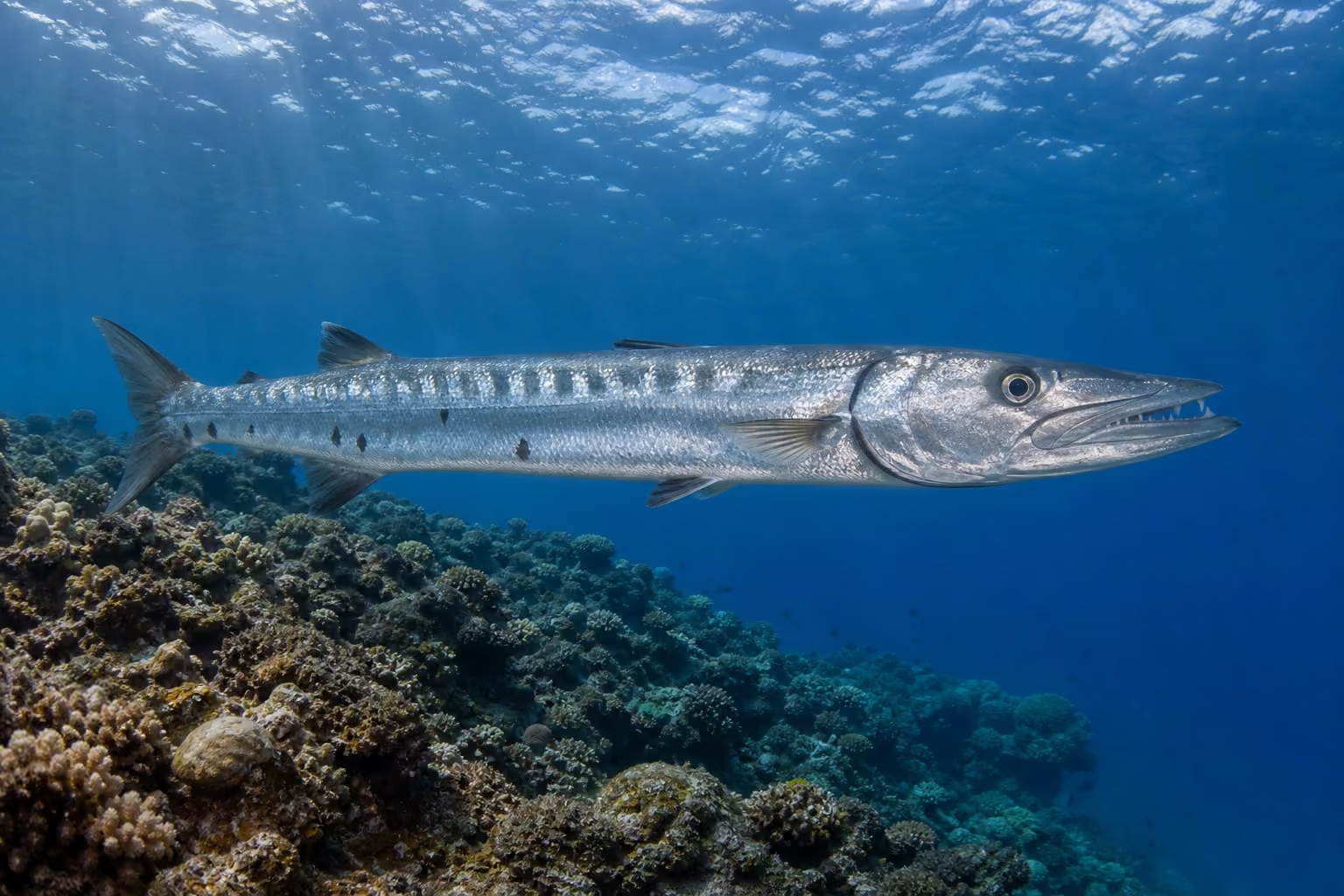
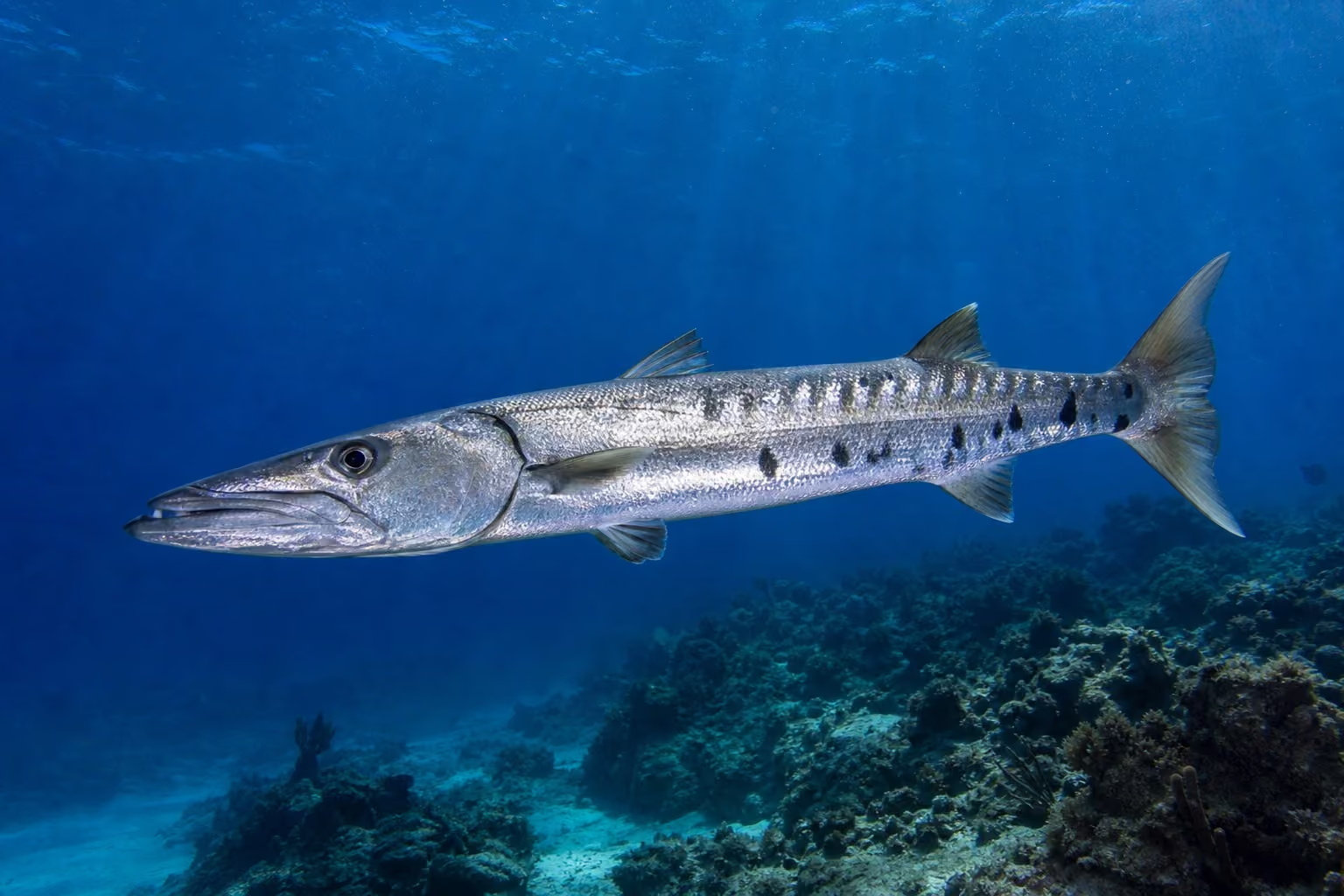
Great barracuda

Details

Great barracuda

Sphyraena barracuda

Size
0.6–2 m · 2.5–50 kg
Diet
Carnivore
Activity
Cathemeral
Sociality
Loose group
Lifespan
5-20 years

The great barracuda is a long, sharp-toothed predator of reefs and open coastal water. Active across day and night, it strikes fish with sudden speed.
Range

Habitat range map
Native range Occasional / Transient
Pacific OceanPacific OceanPacific OceanAtlantic OceanAtlantic OceanAtlantic OceanAtlantic OceanAtlantic OceanIndian Ocean

Map: Ecoregions 2017 © RESOLVE (CC BY 4.0) · Natural Earth (PD)

Details

Habitat

It occurs around coral reefs, lagoons, reef edges, and clear coastal waters of the Atlantic, Indian, and Pacific oceans. Rocky or coral structure is often nearby.

Appearance

Length is about 60-200 cm and weight about 2.5-50 kg. A silver, torpedo-shaped body, projecting lower jaw, and rows of sharp teeth are diagnostic.

Behavior

Young fish may school, while large adults often travel alone or loosely spaced. A barracuda may hover almost motionless before making a rapid dash.

Feeding

It is carnivorous, feeding mainly on fish. Its slender body and acceleration allow direct rushes, and the teeth grip prey before swallowing.

Reproduction

Spawning occurs in warm seas, with eggs and larvae drifting in the water column. Growing juveniles move into coastal and reef feeding areas.

Notes

Its status is listed as Least Concern. Large individuals are conspicuous reef predators, though their danger to people is often overstated.