075 Featured Specimen
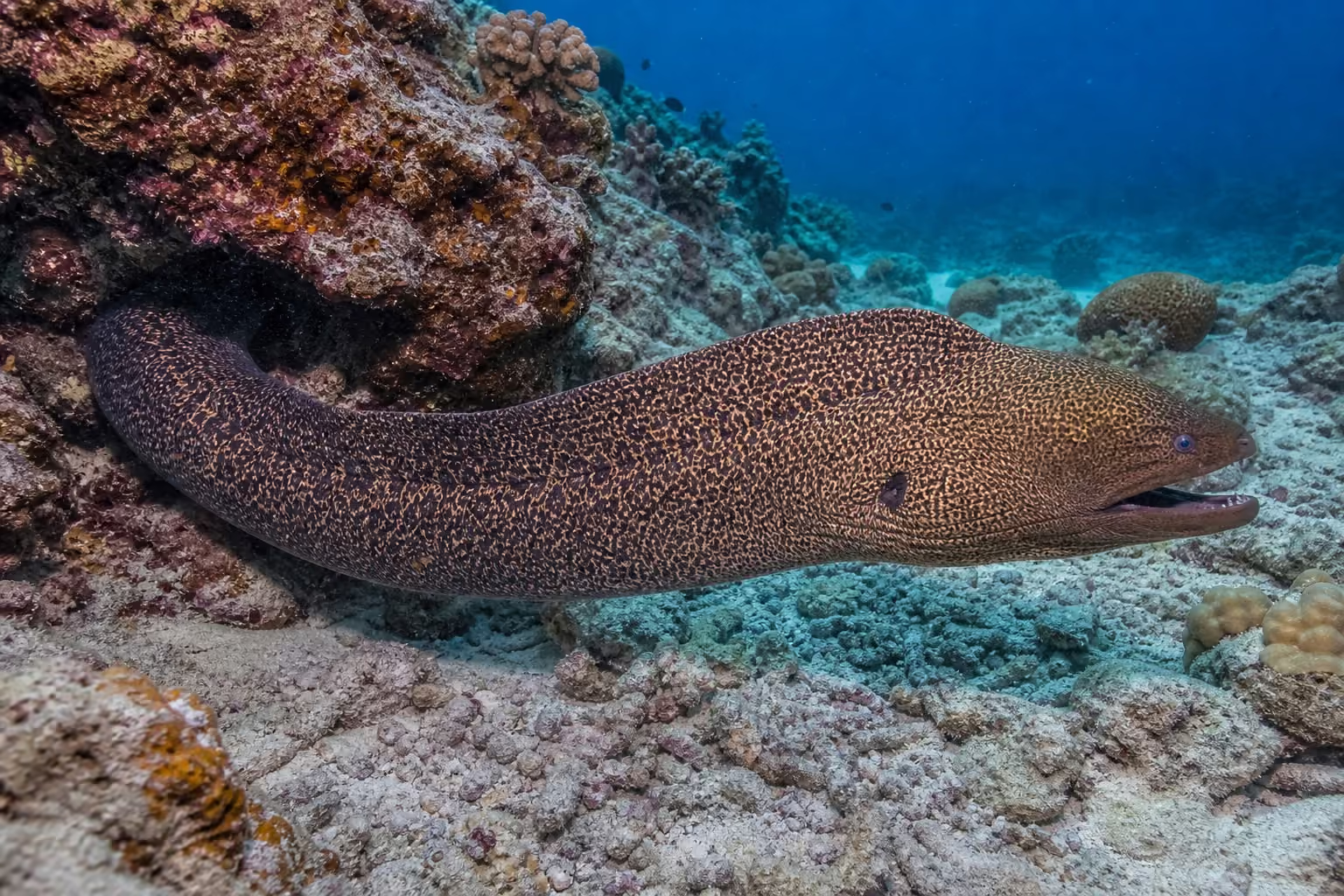
Giant moray

Details

Giant moray

Gymnothorax javanicus

Size
1.5–3 m · 10–30 kg
Diet
Carnivore
Activity
Nocturnal
Sociality
Solitary
Lifespan
Varies by species and environment

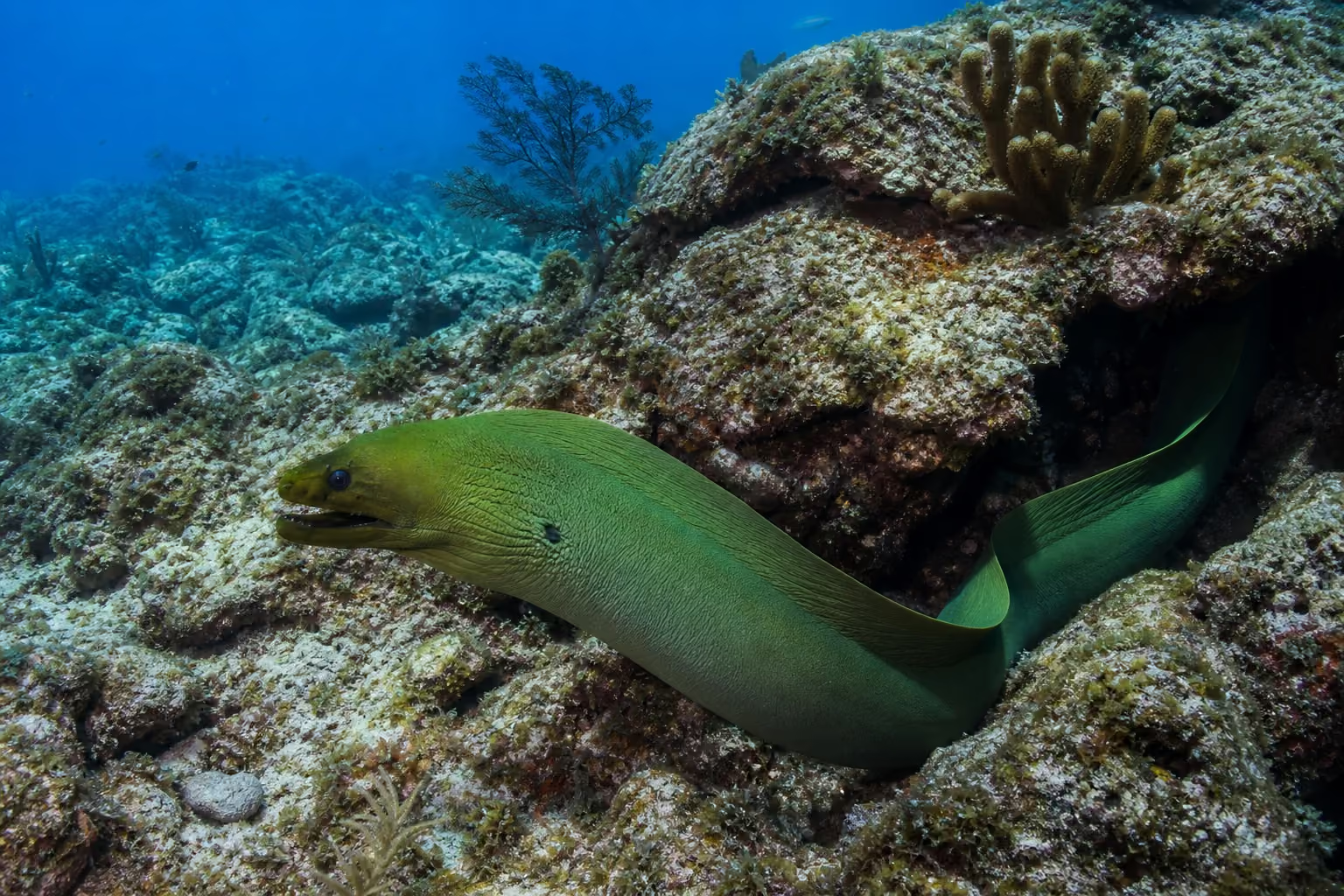
The largest moray of the coral reef, reaching just over 3 m and up to 30 kg, making it the heaviest of all moray eels. An apex predator, it shelters in rocky holes by day and roams the reef at night, hunting fish almost entirely by smell.
Range

Habitat range map
Native range Occasional / Transient
Pacific OceanPacific OceanPacific OceanIndian Ocean

Map: Ecoregions 2017 © RESOLVE (CC BY 4.0) · Natural Earth (PD)

Details

Habitat

It ranges widely across the tropical Indo-Pacific, from the Red Sea and East Africa to Hawaii and Polynesia, reaching southern Japan in the north. It favours coral reefs, lagoons and outer-reef slopes, lodging in crevices at depths of roughly 1 to 50 m.

Appearance

Growing from about 150 to 300 cm and weighing 10 to 30 kg, this brownish, elongated eel develops rows of black, leopard-like mottling toward the rear of the body and a large dark patch around each gill opening. Juveniles are paler with scattered large black spots.

Behavior

A solitary fish, it lurks in reef holes by day with only its head exposed. With reduced eyesight it relies on scent, and it is known for cooperative hunting alongside groupers, flushing prey from crevices. Usually unaggressive, it bites only when threatened or competing for food.

Feeding

Carnivorous, it preys chiefly on fish and occasionally crustaceans, locating quarry by smell and seizing it in tight reef cavities. It is one of the few natural predators able to take venomous lionfish despite their spines.

Reproduction

Like other morays it is a broadcast spawner, releasing eggs and sperm into the water; the young hatch as transparent, ribbon-like leptocephalus larvae that drift in the plankton for an extended period. No parental care is given.

Notes

The IUCN lists it as Least Concern. The eel is not itself venomous, but it can accumulate ciguatera toxin through the food chain, and eating it, especially the liver and viscera, can cause serious poisoning.