673 Featured Specimen
Details
European robin
Erithacus rubecula
- Size
- 12.5–14 cm · 16–22 g
- Diet
- Omnivore
- Activity
- Diurnal
- Sociality
- Solitary
- Lifespan
- —
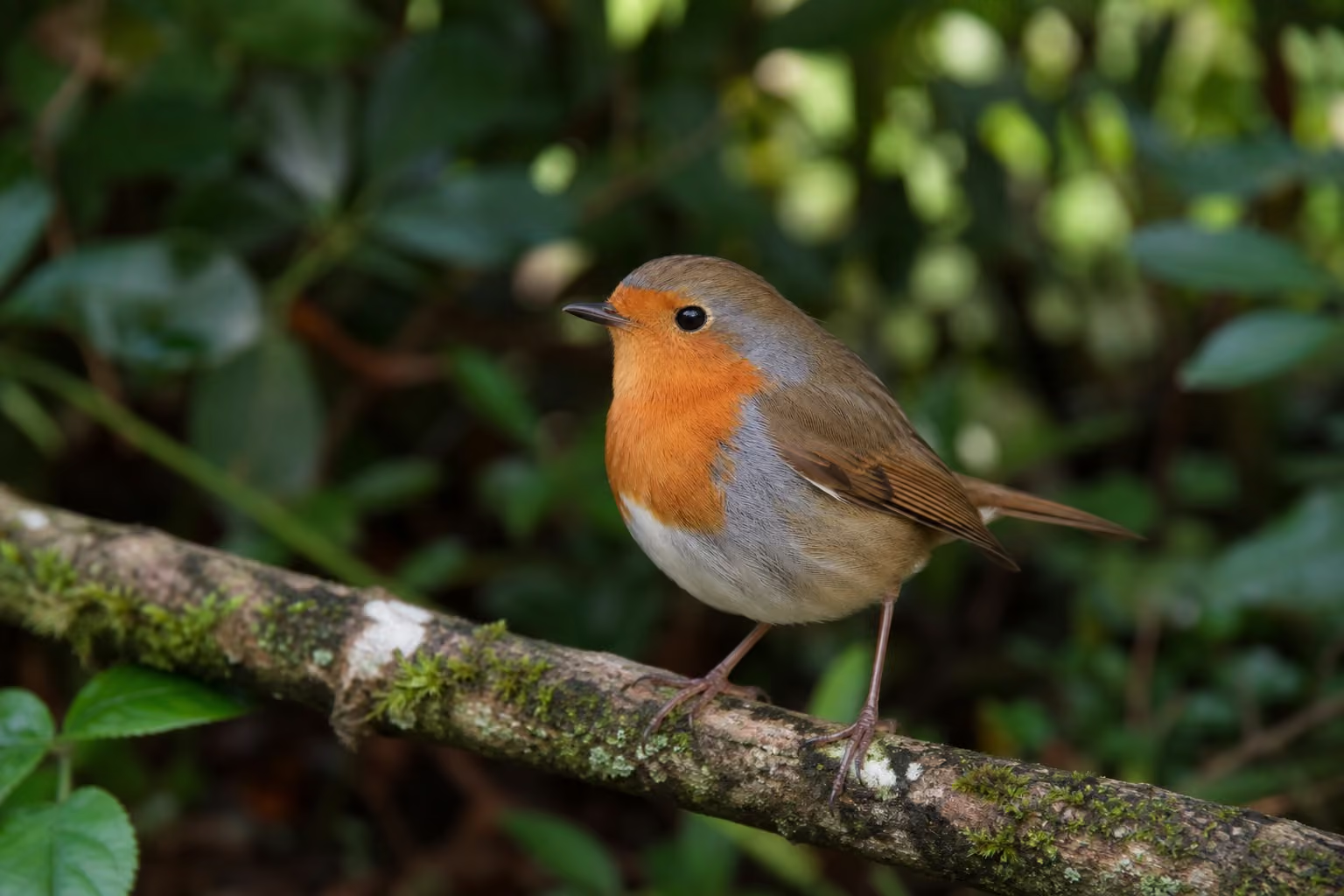
A familiar European songbird with an orange face and breast, common in woods and gardens.
Details
Erithacus rubecula
A familiar European songbird with an orange face and breast, common in woods and gardens.
Map: Ecoregions 2017 © RESOLVE (CC BY 4.0) · Natural Earth (PD)
Uses deciduous and mixed woodland, hedges, gardens, parks, and farmland edges with low cover and open ground.
The face and breast are orange, the back is brown, and the belly is pale. Sexes look similar, while juveniles are spotted.
Strongly territorial, it sings even in winter and often searches freshly disturbed soil for prey.
Insects, earthworms, spiders, fruit, and seeds are eaten on the ground and in low branches.
Moss and leaf nests are placed in roots, walls, shrubs, or boxes. Chicks receive many small invertebrates.
Beloved in European culture, it is also a bold defender of small territories.