003 Featured Specimen
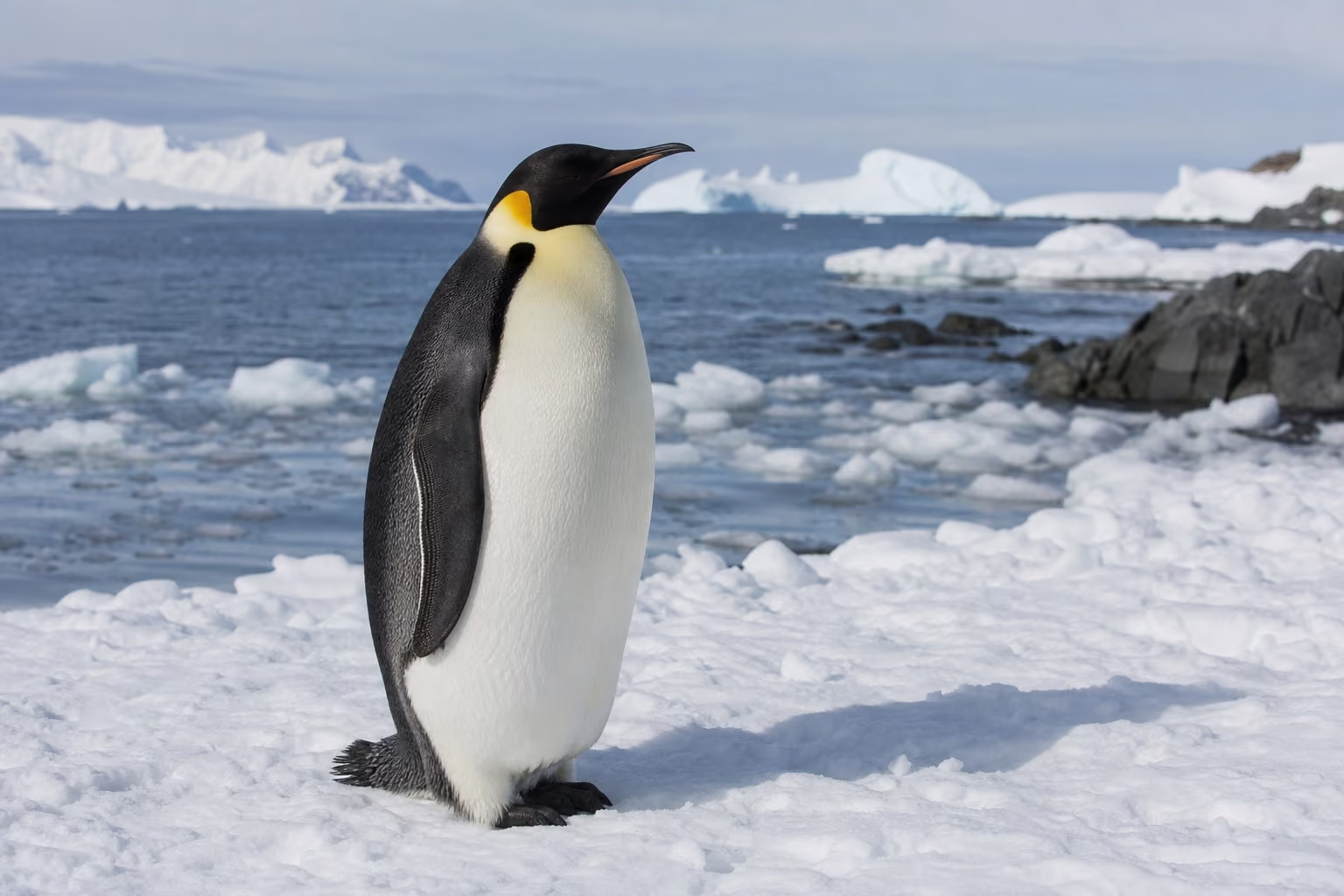
Emperor penguin

Details

Emperor penguin

Aptenodytes forsteri

Size
1–1.3 m · 22–45 kg
Diet
Carnivore
Activity
Diurnal
Sociality
Colony
Lifespan
About 20 years

The largest penguin alive today, standing over a metre tall. It is the only bird that breeds through the brutal Antarctic winter, with the male alone shielding the egg against the cold.
Range

Habitat range map
Native range Occasional / Transient
Southern OceanAntarcticAntarcticAntarcticAntarcticAntarcticAntarctic

Map: Ecoregions 2017 © RESOLVE (CC BY 4.0) · Natural Earth (PD)

Details

Habitat

A bird found nowhere but the fast ice ringing Antarctica. It forms breeding colonies on stable coastal sea ice and ranges out across the Southern Ocean to feed.

Appearance

Glossy black on the back and white below, with a pale-yellow upper breast and vivid orange-yellow ear patches at the sides of the head. It reaches 100–130 cm in length and 22–45 kg, with the sexes nearly identical.

Behavior

Intensely social, gathering in colonies of thousands. To survive the screaming cold and wind, birds press together into tight huddles, slowly rotating from the exposed edge to the sheltered core so each shares the warmth.

Feeding

A carnivore that feeds mainly on Antarctic fish, taking squid and krill as well. A superb diver, it pursues prey to depths beyond 500 metres and can stay submerged for close to 20 minutes.

Reproduction

The female lays a single egg on the ice in autumn, then leaves to feed while the male fasts and incubates it on his feet for about 65 days. She returns near hatching, and the pair take turns raising the chick until it fledges in summer.

Notes

Emperor penguins live around 20 years. The sea ice their colonies depend on is shrinking as the climate warms, and the early break-up of that ice, causing whole broods to fail, ranks among the gravest threats to their future.