581 Featured Specimen
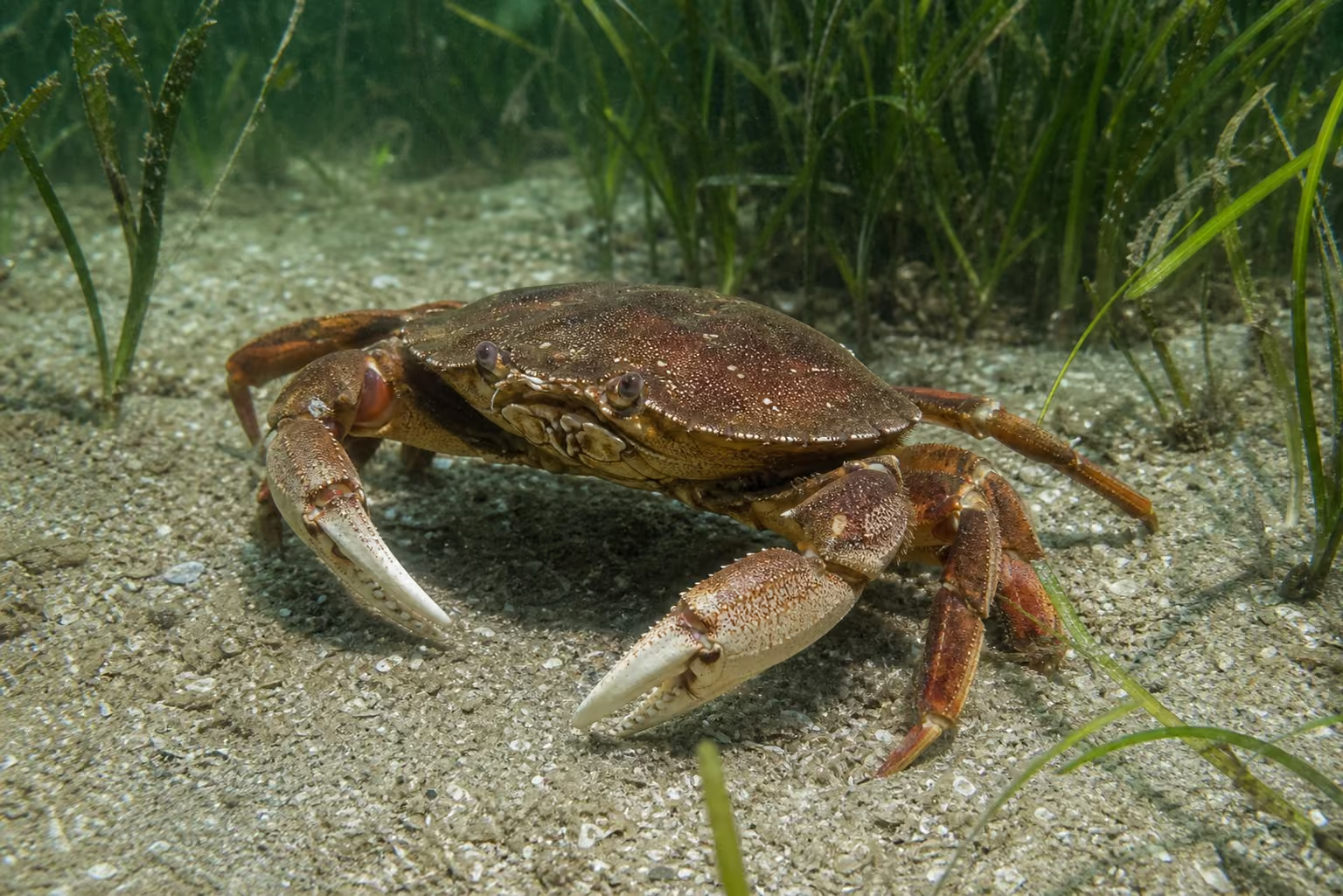
Dungeness crab

Details

Dungeness crab

Metacarcinus magister

Size
15–25 cm · 0.5–2 kg
Diet
Omnivore
Activity
Cathemeral
Sociality
Loose group
Lifespan

A large edible crab of the Pacific coast of North America. It has a broad carapace, strong claws, and major importance to coastal fisheries.
Range

Habitat range map
Native range Occasional / Transient
Pacific OceanPacific OceanPacific Ocean

Map: Ecoregions 2017 © RESOLVE (CC BY 4.0) · Natural Earth (PD)

Details

Habitat

Ranges from Alaska to California, using sandy bottoms, muddy bays, eelgrass beds, and other shallow coastal habitats.

Appearance

The carapace is broad and purple-brown to reddish brown. The claw tips are pale, and the walking legs are sturdy.

Behavior

It walks over the seafloor and can bury shallowly in sand. After molting, it remains soft and hides until the shell hardens.

Feeding

It eats clams, worms, small crustaceans, carrion, and other bottom foods. Strong claws help process prey.

Reproduction

Females carry masses of eggs beneath the abdomen. Larvae drift in plankton before settling into bottom-dwelling life.

Notes

The common name comes from Dungeness, Washington. The species is one of the best-known seafood crabs on the North American west coast.