567 Featured Specimen
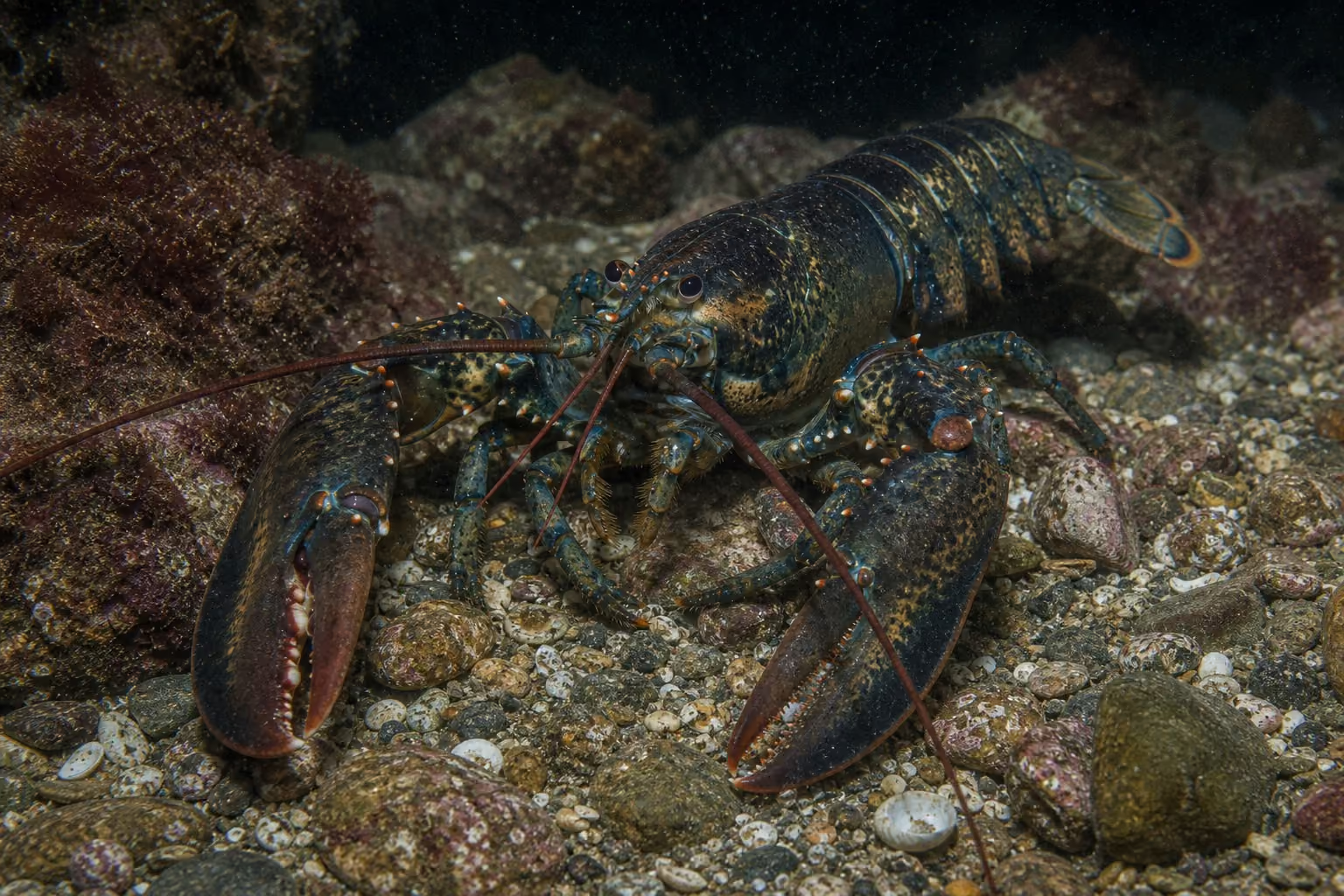
American lobster

Details

American lobster

Homarus americanus

Size
Total length 20–64 cm · 0.5–20 kg
Diet
Carnivore
Activity
Nocturnal
Sociality
Solitary
Lifespan

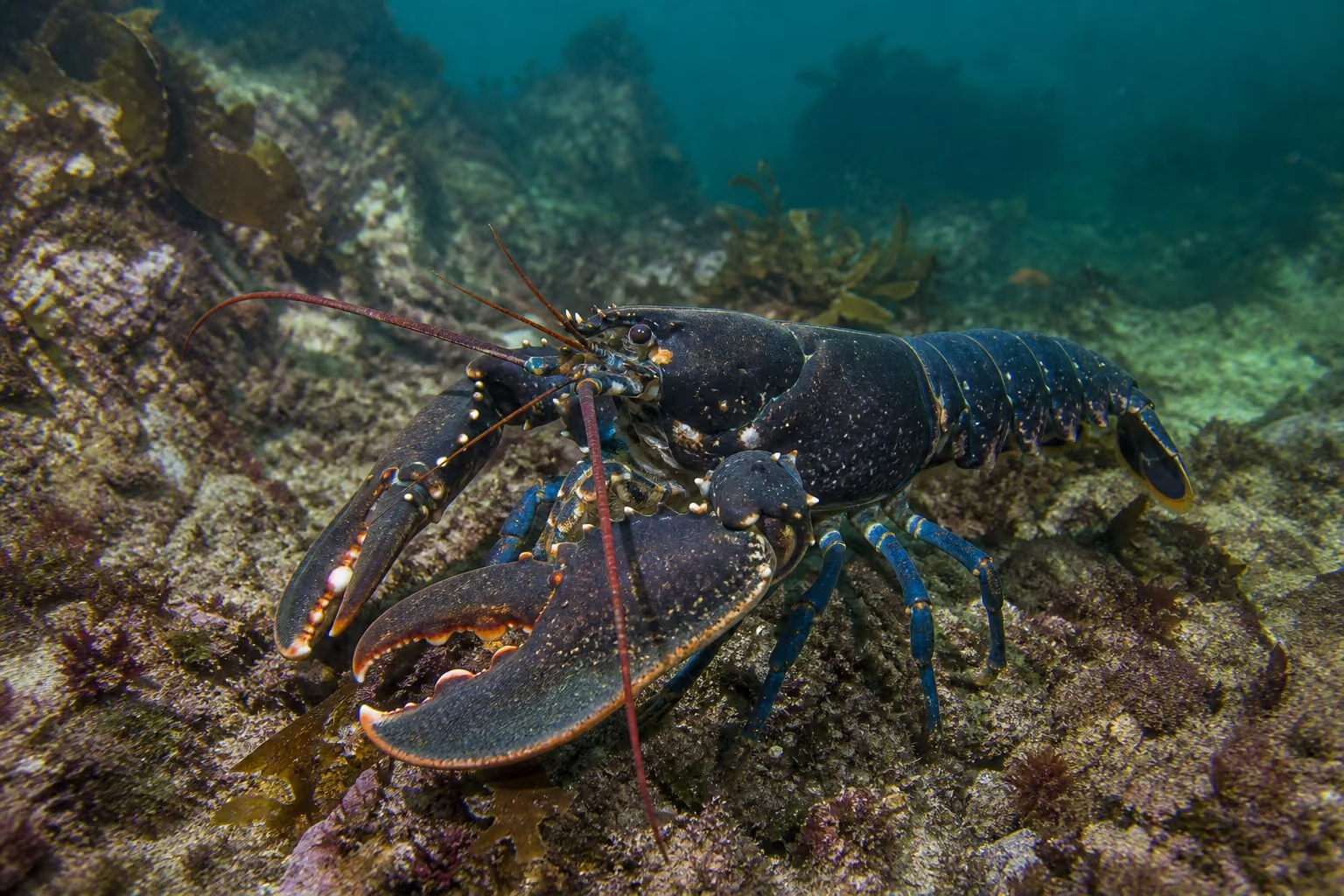
The American lobster is a large clawed crustacean of the northwest Atlantic. Unequal heavy claws and a rugged body make it one of the best-known coastal invertebrates.
Range

Habitat range map
Native range Occasional / Transient
Atlantic OceanAtlantic OceanAtlantic OceanAtlantic OceanAtlantic Ocean

Map: Ecoregions 2017 © RESOLVE (CC BY 4.0) · Natural Earth (PD)

Details

Habitat

It ranges from Atlantic Canada to the northeastern United States in cool coastal waters. Rock crevices, reefs, burrows and sandy or muddy bottoms are used from shallow water to deeper grounds.

Appearance

Adults are commonly 20-64 cm long, and exceptional individuals can exceed 20 kg. One claw is often a heavy crusher while the other is a finer cutter.

Behavior

Nocturnal by habit, it hides by day under rocks or in burrows. Adults can be territorial, using antennae and claws during encounters.

Feeding

Clams, urchins, polychaetes, small fishes, crustaceans and carrion are eaten. Strong claws break hard prey as the lobster searches along the bottom.

Reproduction

After mating, females carry eggs under the abdomen for many months. Larvae drift in the plankton before settling to the seafloor.

Notes

It supports a major fishery, with management allowing harvest in many areas. Warming seas and disease can shift distribution and fishing grounds.