502 Featured Specimen
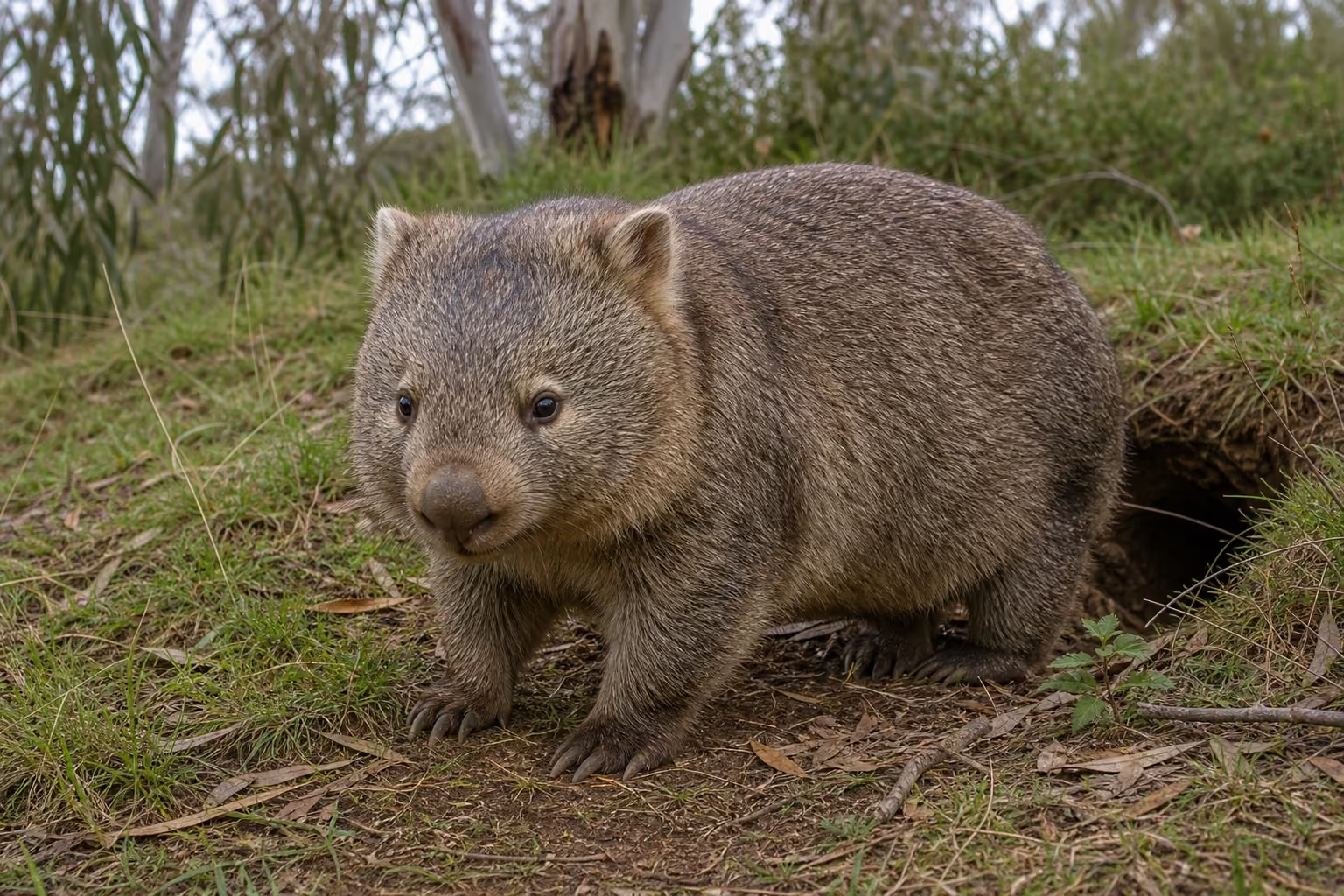
Common wombat

Details

Common wombat

Vombatus ursinus

Size
0.9–1.2 m · 20–35 kg
Diet
Herbivore
Activity
Nocturnal
Sociality
Solitary
Lifespan
15-20 years

The common wombat is a burrowing marsupial with a heavy body and powerful claws. It leaves its burrow at night to graze slowly on tough plants.
Range

Habitat range map
Native range Occasional / Transient

Map: Ecoregions 2017 © RESOLVE (CC BY 4.0) · Natural Earth (PD)

Details

Habitat

It occurs in southeastern Australia and Tasmania in forest, grassland, and upland habitats. Diggable slopes and banks support burrows that connect shelter to feeding areas.

Appearance

Length 90-115 cm; weight 20-35 kg. Short legs, strong claws, and a broad head suit digging, and the backward-opening pouch helps keep soil away from the young.

Behavior

Nocturnal and solitary, it rests in cool burrows by day. It follows regular paths through its home range to reach grazing areas.

Feeding

A herbivore, it eats grasses, sedges, roots, and bark. Chisel-like incisors crop tough plants, and slow digestion extracts energy from poor forage.

Reproduction

Females usually produce one joey that develops for a long period in the pouch. After leaving the pouch, the young stays near the mother while learning feeding routes.

Notes

It is listed as Least Concern. Roads, burrow disturbance, and mange can still create local pressure on populations.