577 Featured Specimen
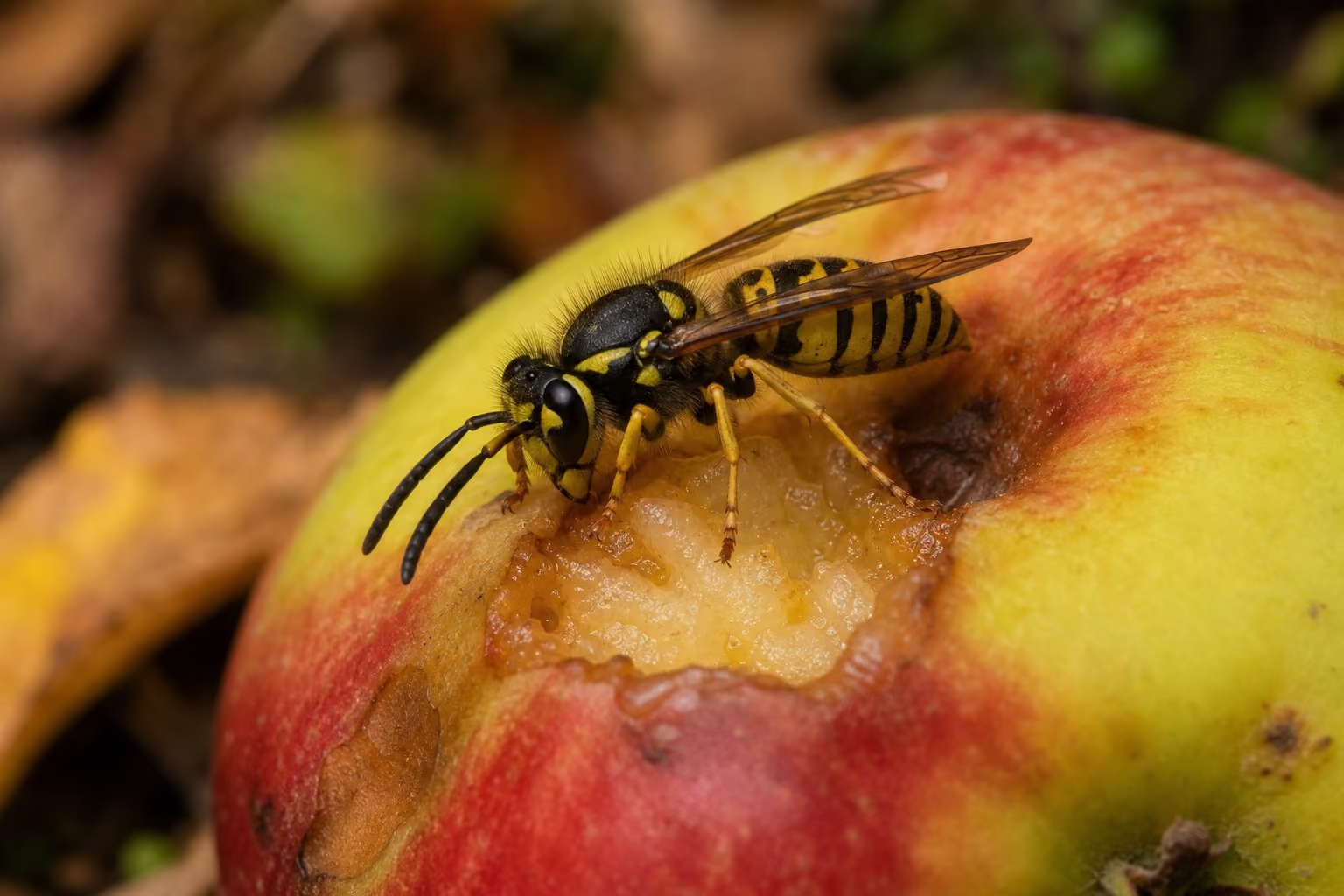
Common wasp

Details

Common wasp

Vespula vulgaris

Size
1.2–2 cm
Diet
Omnivore
Activity
Diurnal
Sociality
Colony
Lifespan

A black-and-yellow social wasp that builds paper nests and forms large seasonal colonies. Workers collect both insects and sugary fluids.
Range

Habitat range map
Native range Occasional / Transient
PalearcticPalearcticPalearcticPalearcticPalearcticPalearcticPalearcticPalearcticPalearcticPalearcticPalearcticPalearcticPalearcticPalearcticPalearcticPalearcticPalearcticPalearcticPalearcticPalearcticPalearcticPalearcticPalearcticPalearcticNeotropicalNeotropicalNeotropicalNeotropicalNeotropicalNeotropicalNeotropicalNeotropicalIndomalayanIndomalayanIndomalayanIndomalayanIndomalayanIndomalayanIndomalayanIndomalayanIndomalayanIndomalayanIndomalayanIndomalayanIndomalayanIndomalayanIndomalayanAustralasianAustralasianAustralasianAustralasianAustralasianAustralasianAustralasianAustralasianAustralasianAustralasianAustralasianAustralasianAustralasianAustralasianAustralasianAustralasianAustralasian

Map: Ecoregions 2017 © RESOLVE (CC BY 4.0) · Natural Earth (PD)

Details

Habitat

Uses woodland, grassland, gardens, parks, wall cavities, and other sheltered places. It is native across much of Eurasia and invasive in some southern regions.

Appearance

Workers are about 12 to 17 mm long, with black and yellow bands. Face markings help separate it from similar yellowjackets.

Behavior

A queen starts the nest in spring, then workers expand it through summer and autumn. Colonies defend the nest with painful stings.

Feeding

Adults take nectar, sap, fruit juice, and other sweet liquids. They capture insects and pieces of meat to feed larvae.

Reproduction

Males and new queens appear late in the season. Mated queens overwinter, while the old colony declines in cold weather.

Notes

It can suppress pest insects, but close nests create a sting hazard. In introduced ranges it can pressure native insects and beekeeping.