538 Featured Specimen
Common krait

Details

Common krait

Bungarus caeruleus

Size
Total length 0.9–1.8 m · 0.3–1 kg
Diet
Carnivore
Activity
Nocturnal
Sociality
Solitary
Lifespan

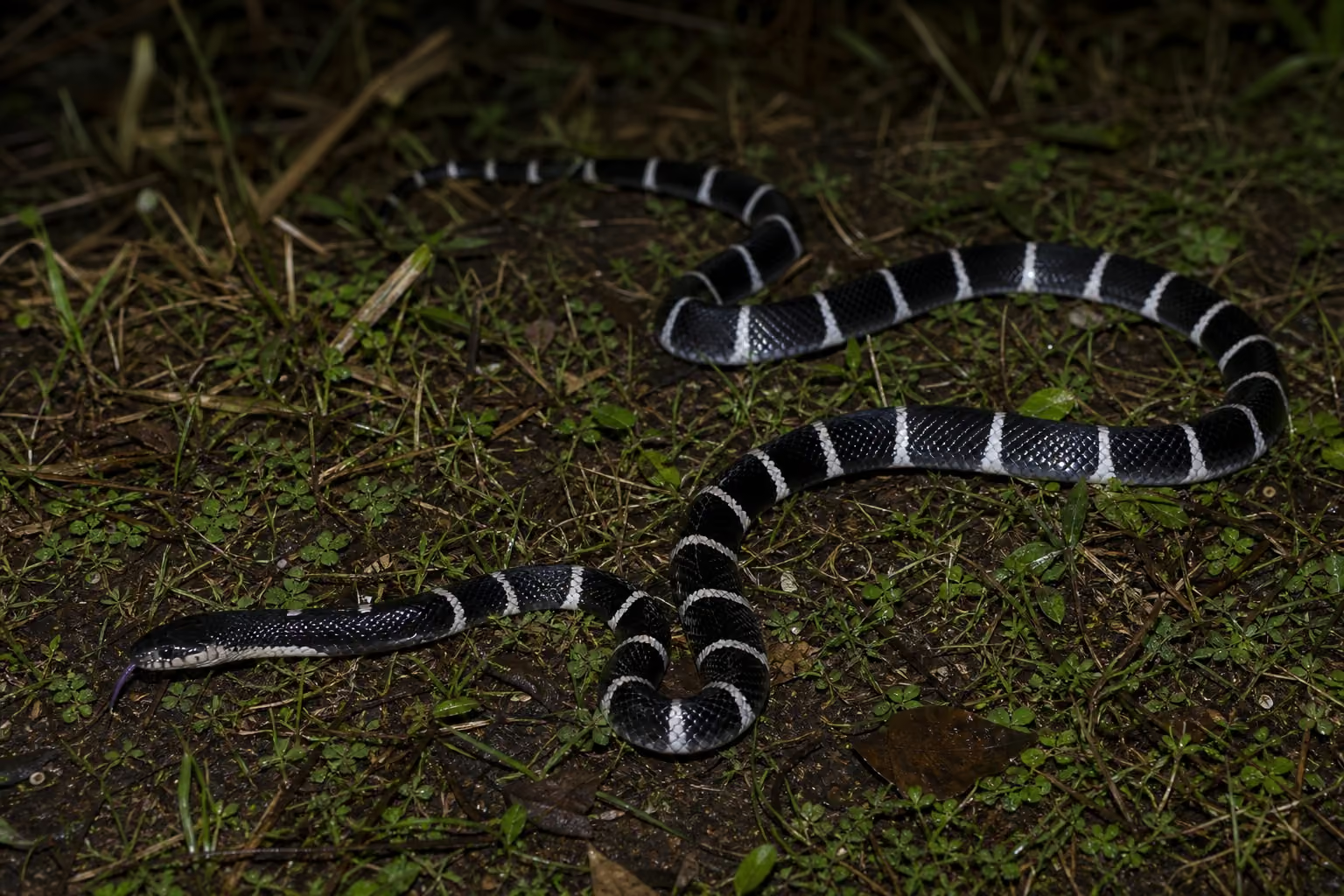
The common krait is a black-and-white banded elapid of South Asia. Active at night, it is known for potent neurotoxic venom.
Range

Habitat range map
Native range Occasional / Transient
IndomalayanIndomalayanIndomalayanIndomalayanIndomalayanIndomalayanIndomalayanIndomalayanIndomalayanIndomalayanIndomalayanIndomalayanIndomalayanIndomalayanIndomalayan

Map: Ecoregions 2017 © RESOLVE (CC BY 4.0) · Natural Earth (PD)

Details

Habitat

It occurs in India, Pakistan, Bangladesh, Sri Lanka and Nepal. Grassland, fields, village edges and human settlements are common, especially during the monsoon.

Appearance

Adults are about 90-175 cm long and 250-1000 g. The glossy black or bluish-black body has narrow white bands and an enlarged vertebral scale row.

Behavior

Nocturnal by habit, it hides by day under debris, leaves or in burrows. When disturbed it often coils and hides the head, but bites are medically dangerous.

Feeding

Other snakes are frequent prey, along with lizards, frogs, small mammals and birds. Cannibalism and scavenging have also been recorded.

Reproduction

Females lay about 5-15 eggs in concealed places such as leaf litter or burrows. They may guard the clutch until hatching.

Notes

This is one of South Asia's most medically significant snakes. Bites may show little pain or swelling, so rapid treatment is essential.