845 Featured Specimen
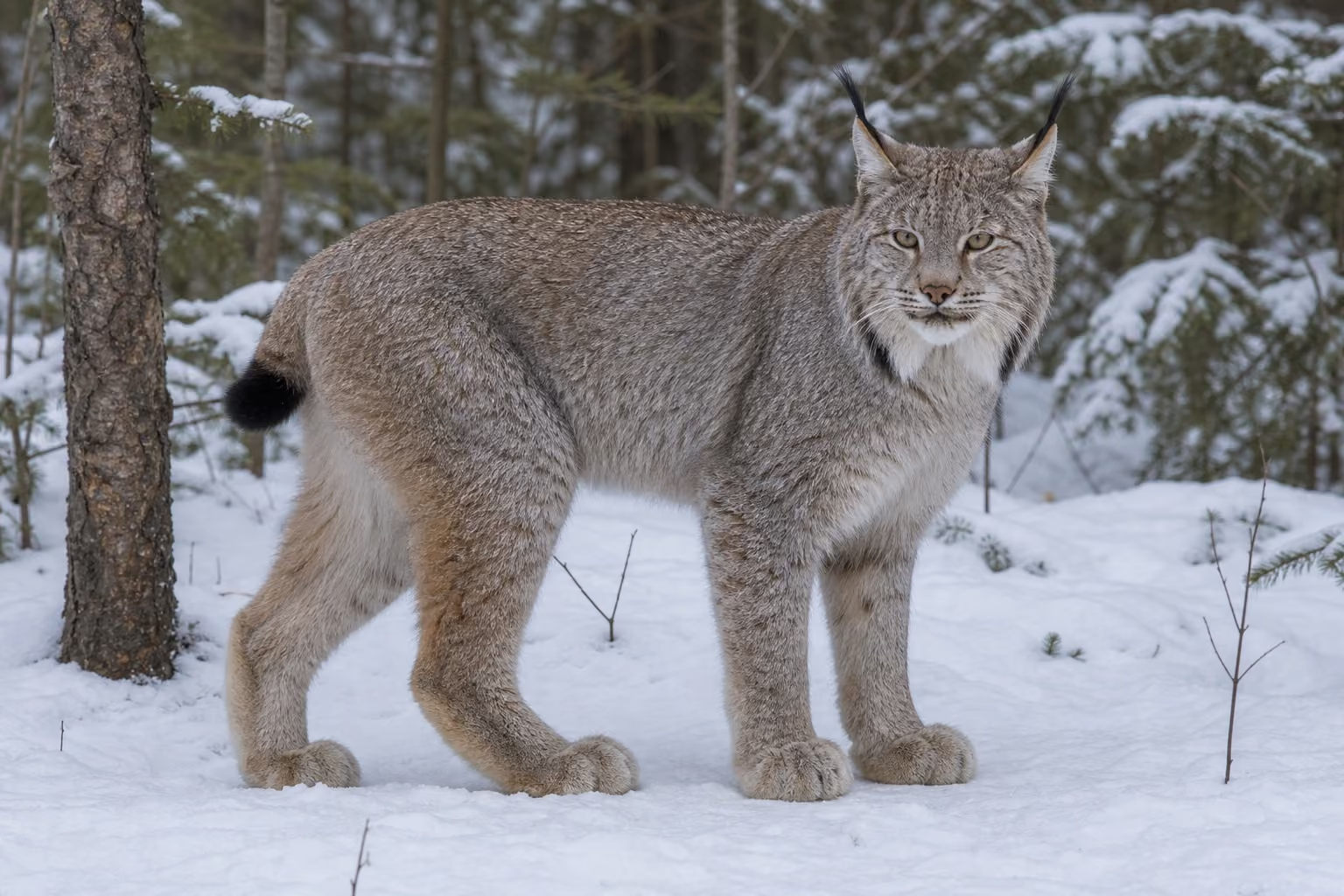
Canada lynx

Details

Canada lynx

Lynx canadensis

Size
0.8–1.1 m · 5–17 kg
Diet
Carnivore
Activity
Nocturnal
Sociality
Solitary
Lifespan

Canada lynx is a northern forest cat with broad snowshoe-like feet and a strong link to snowshoe hares. Its reliance on extensive snowy forest makes logging patterns and climate change important concerns.
Range

Habitat range map
Native range Occasional / Transient
NearcticNearcticNearcticNearcticNearcticNearcticNearcticNearcticNearcticNearcticNearcticNearcticNearcticNearcticNearcticNearcticNearcticNearcticNearcticNearcticNearcticNearcticNearcticNearcticNearcticNearcticNearcticNearcticNearcticNearcticNearcticNearcticNearcticNearcticNearcticNearcticNearcticNearcticNearcticNearcticNearctic

Map: Ecoregions 2017 © RESOLVE (CC BY 4.0) · Natural Earth (PD)

Details

Habitat

It lives in boreal and conifer forest across Canada, Alaska, and parts of the northern United States. Main habitat types in this guide are forest, polar.

Appearance

Typical length 76-106 cm, weight 5 kg-17 kg. Long legs, huge paws, a short tail, and black ear tufts suit travel over deep snow.

Behavior

It is nocturnal and usually solitary. It moves quietly through snow and hunts around young forest and fallen timber.

Feeding

It is carnivorous. Snowshoe hares dominate, and lynx reproduction and movements often track hare cycles.

Reproduction

Females den under fallen trees or dense cover and raise the kittens alone.

Notes

Although still widespread in places, it remains sensitive to habitat change. Its reliance on extensive snowy forest makes logging patterns and climate change important concerns.