161 Featured Specimen
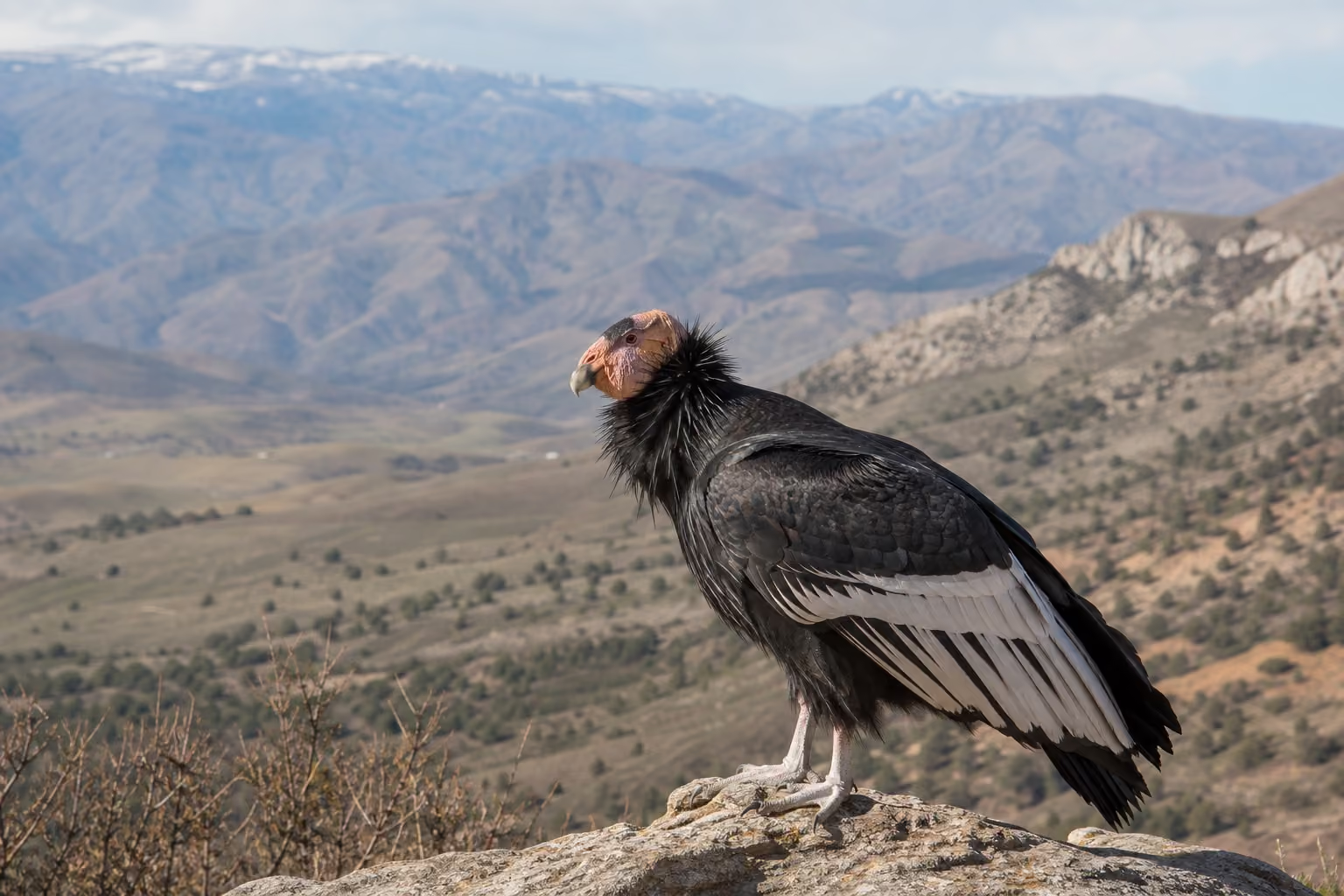
California condor

Details

California condor

Gymnogyps californianus

Size
Wingspan 2.5–3 m · 8–14 kg
Diet
Carnivore
Activity
Diurnal
Sociality
Loose group
Lifespan
8-25 years

The California condor is a huge scavenging bird of western North America. By day it rides rising air and searches vast open landscapes.
Range

Habitat range map
Native range Occasional / Transient
NearcticNearcticNearcticNearcticNearcticNearcticNearcticNearcticNearcticNearcticNearcticNearcticNearcticNearcticNearcticNearcticNearcticNearcticNearcticNearcticNearcticNearcticNearcticNearcticNearcticNearcticNearcticNearcticNearcticNearcticNearcticNearcticNearcticNearcticNearcticNearcticNearcticNearcticNearcticNearcticNearctic

Map: Ecoregions 2017 © RESOLVE (CC BY 4.0) · Natural Earth (PD)

Details

Habitat

It uses canyons, mountains, dry scrub, and open rangeland. Cliffs or large trees provide nesting and roosting sites, while open country aids feeding.

Appearance

Wingspan is about 250-300 cm and weight about 8-14 kg. Black wings with broad white patches and a bare head suit a carrion-feeding life.

Behavior

Diurnal birds soar alone or in loose groups. They flap little, using thermals to cover long distances with steady glides.

Feeding

It is carnivorous, feeding mainly on carcasses of large animals. It does not hunt live prey, instead locating food by sight and experience.

Reproduction

Breeding is slow, with eggs laid in cliff cavities, caves, or large tree hollows. Parents care for the chick for an extended period.

Notes

Its status is listed as Critically Endangered. Lead poisoning and changes around food sources remain serious, so releases and close management are vital.