093 Featured Specimen
Caecilian

Details

Caecilian

Ichthyophis kohtaoensis

Size
20–50 cm · 20–150 g
Diet
Carnivore
Activity
Nocturnal
Sociality
Solitary
Lifespan
Varies by species and environment

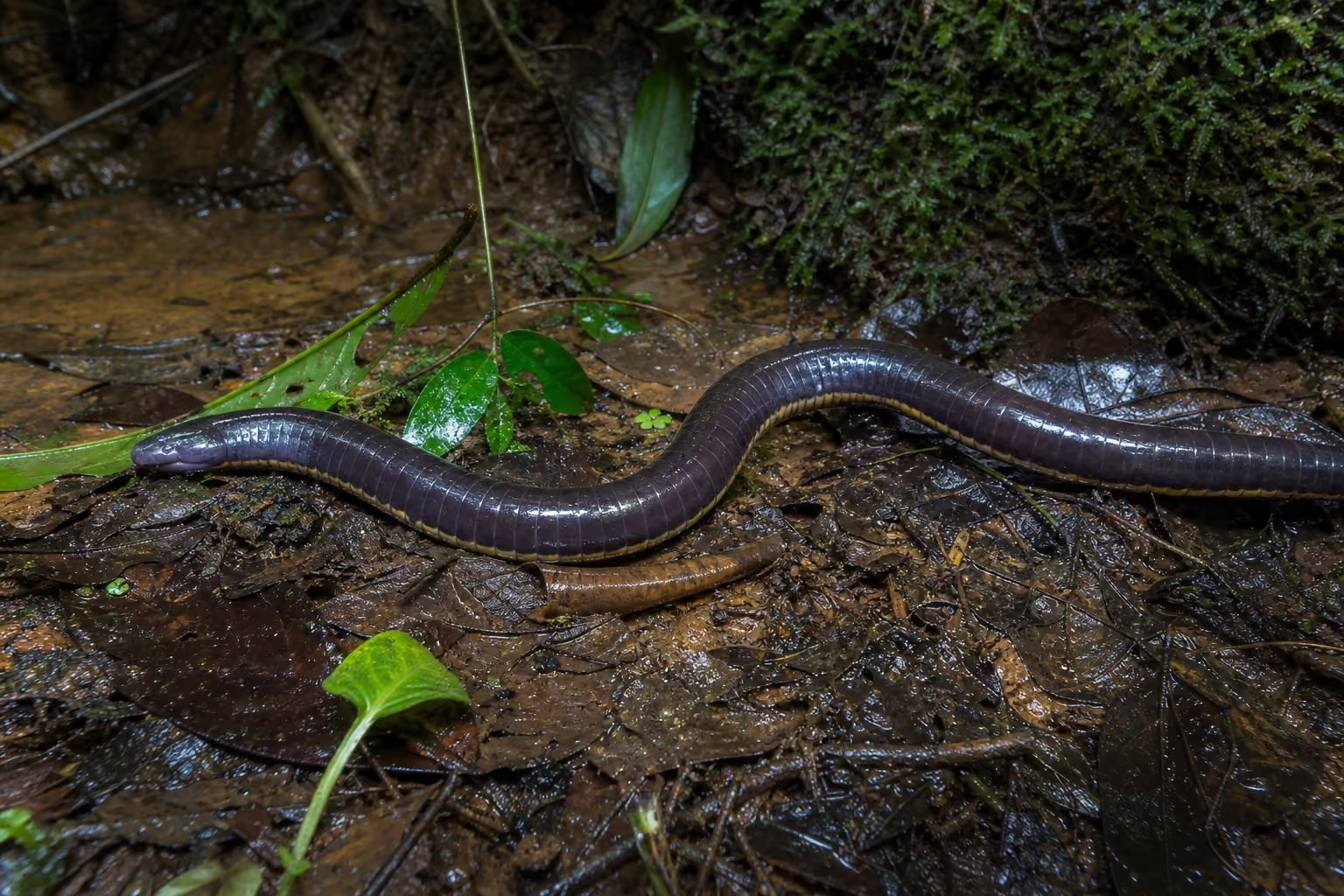
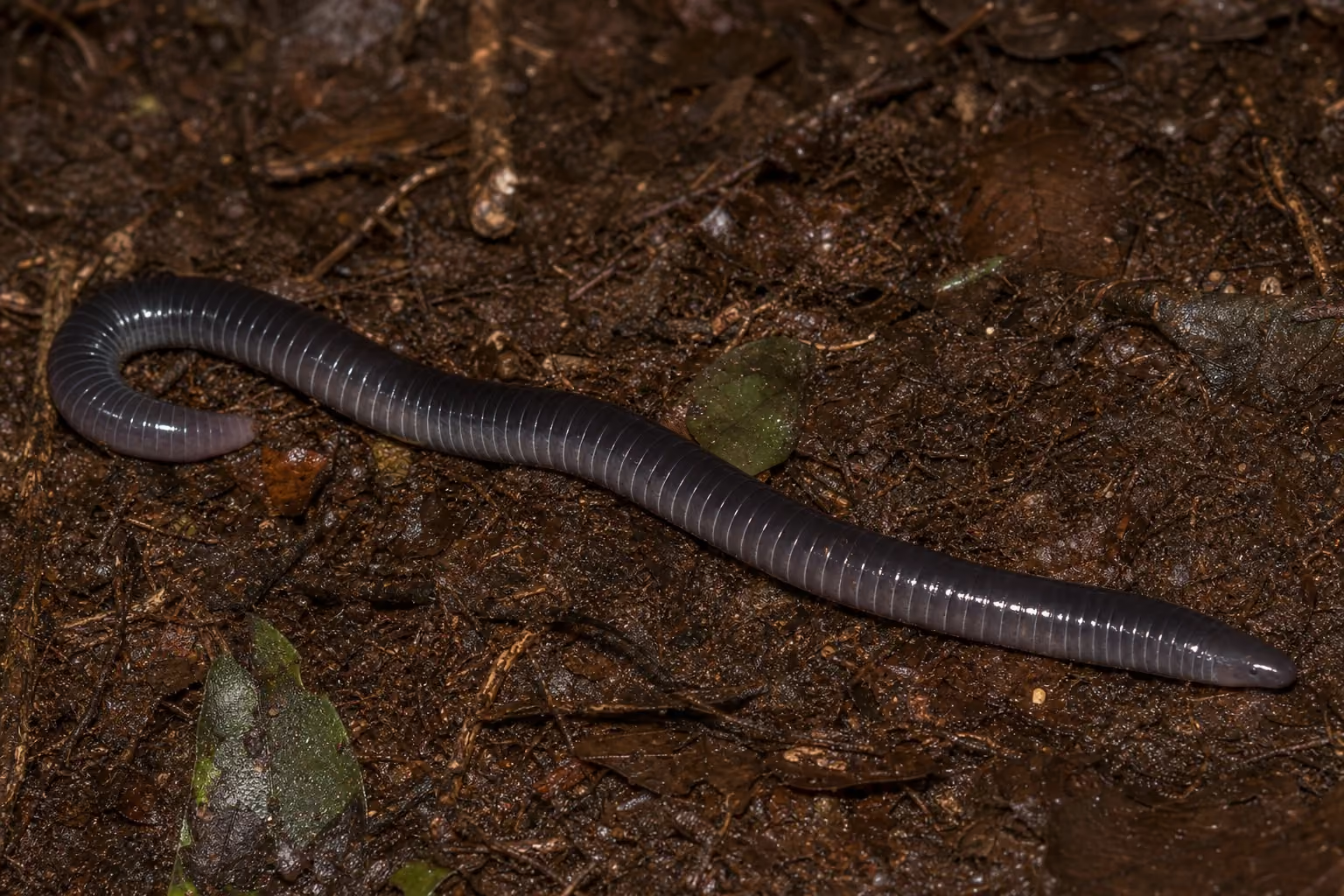
A limbless, worm-like amphibian with a long cylindrical body ringed by skin folds. A retractable sensory tentacle between the eye and nostril guides it through the dark soil. As one of the Asian tailed caecilians it keeps a short true tail and wears a pale stripe along its dark flanks.
Range

Habitat range map
Native range Occasional / Transient
IndomalayanIndomalayanIndomalayanIndomalayanIndomalayanIndomalayanIndomalayanIndomalayanIndomalayanIndomalayanIndomalayanIndomalayanIndomalayanIndomalayanIndomalayan

Map: Ecoregions 2017 © RESOLVE (CC BY 4.0) · Natural Earth (PD)

Details

Habitat

Ranges across mainland Southeast Asia into southern China, including Thailand, Laos, Cambodia, Myanmar and Vietnam, in moist lowland and montane forests. It favours soft, damp soil near rivers, swamps and wetlands, but also turns up in plantations, gardens and degraded farmland.

Appearance

A cylindrical, entirely limbless body 20 to 50 cm long and 20 to 150 g, ringed by many groove-like folds called annuli and set with tiny scales in the skin. The eyes are covered by skin and barely functional, registering little more than light and dark. A pale yellowish stripe runs along each dark flank, ending in a short tail.

Behavior

A solitary, nocturnal burrower that spends its days hidden in moist soil and leaf litter. It drives its blunt head through the earth by flexing the segmented muscles of its body, surfacing mainly at night to hunt or after rain.

Feeding

Carnivorous, taking earthworms, termites, insect larvae and other soil invertebrates. Working in darkness, it relies on its chemosensory tentacle and sense of smell rather than sight to locate buried prey.

Reproduction

Egg-laying with internal fertilisation: the female deposits her clutch in a burrow in damp soil close to water. She coils protectively around the eggs until they hatch into gilled aquatic larvae, which develop in water before metamorphosing into the terrestrial adult form.

Notes

Its underground life makes it rarely seen and much of its biology poorly known. Loss of forest and the draining or clearing of damp land are the chief threats to this secretive amphibian.