430 Featured Specimen
Bobbit worm

Details

Bobbit worm

Eunice aphroditois

Size
0.3–1 m · 50–500 g
Diet
Carnivore
Activity
Nocturnal
Sociality
Solitary
Lifespan
3–5 years

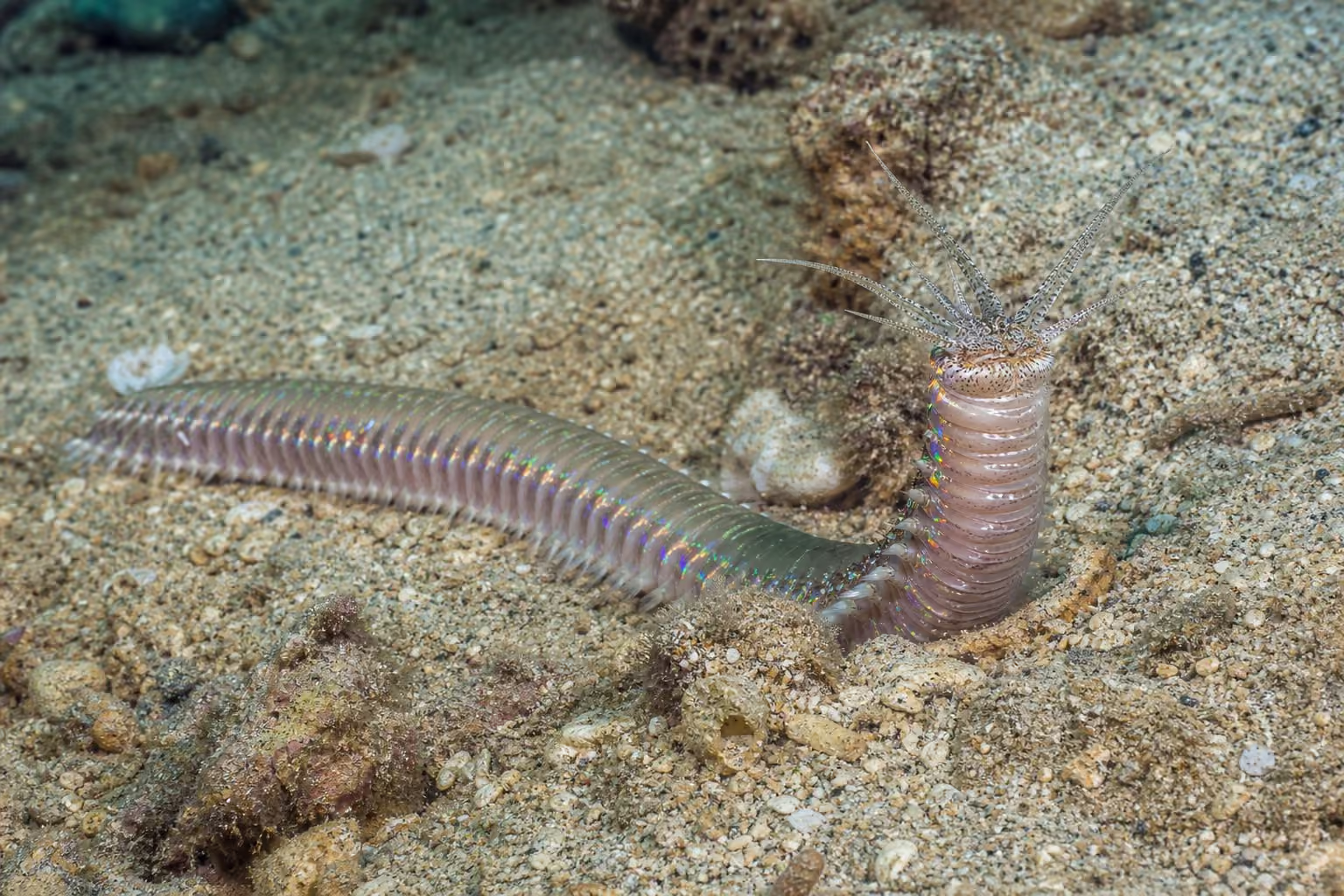
The Bobbit worm is a large burrowing polychaete and ambush predator. Hidden in sand, it snaps up fishes and crustaceans that pass at night.
Range

Habitat range map
Native range Occasional / Transient
Pacific OceanPacific OceanPacific OceanAtlantic OceanAtlantic OceanAtlantic OceanAtlantic OceanAtlantic OceanIndian Ocean

Map: Ecoregions 2017 © RESOLVE (CC BY 4.0) · Natural Earth (PD)

Details

Habitat

It occurs on warm coasts, reefs, and sandy-rubble bottoms of the Indian, Pacific, and Atlantic oceans. Long burrows in loose bottom keep most of the body concealed.

Appearance

Length 30-100 cm; weight 50-500 g. The long segmented body may show metallic iridescence. Antennae and powerful jaws sit at the head, while most of the animal stays buried.

Behavior

Nocturnal and solitary, it exposes only the head from the sediment. Antennae detect movement, and the worm lunges upward with sudden speed.

Feeding

A carnivore, it takes small fishes, crustaceans, and other worms. Strong jaws seize prey and pull it into the burrow.

Reproduction

Adults are thought to release eggs and sperm into the water during spawning. Larvae drift before settling into bottom habitats.

Notes

It is listed as Least Concern. Despite its dramatic reputation, it usually remains hidden and is rarely seen fully exposed.