745 Featured Specimen
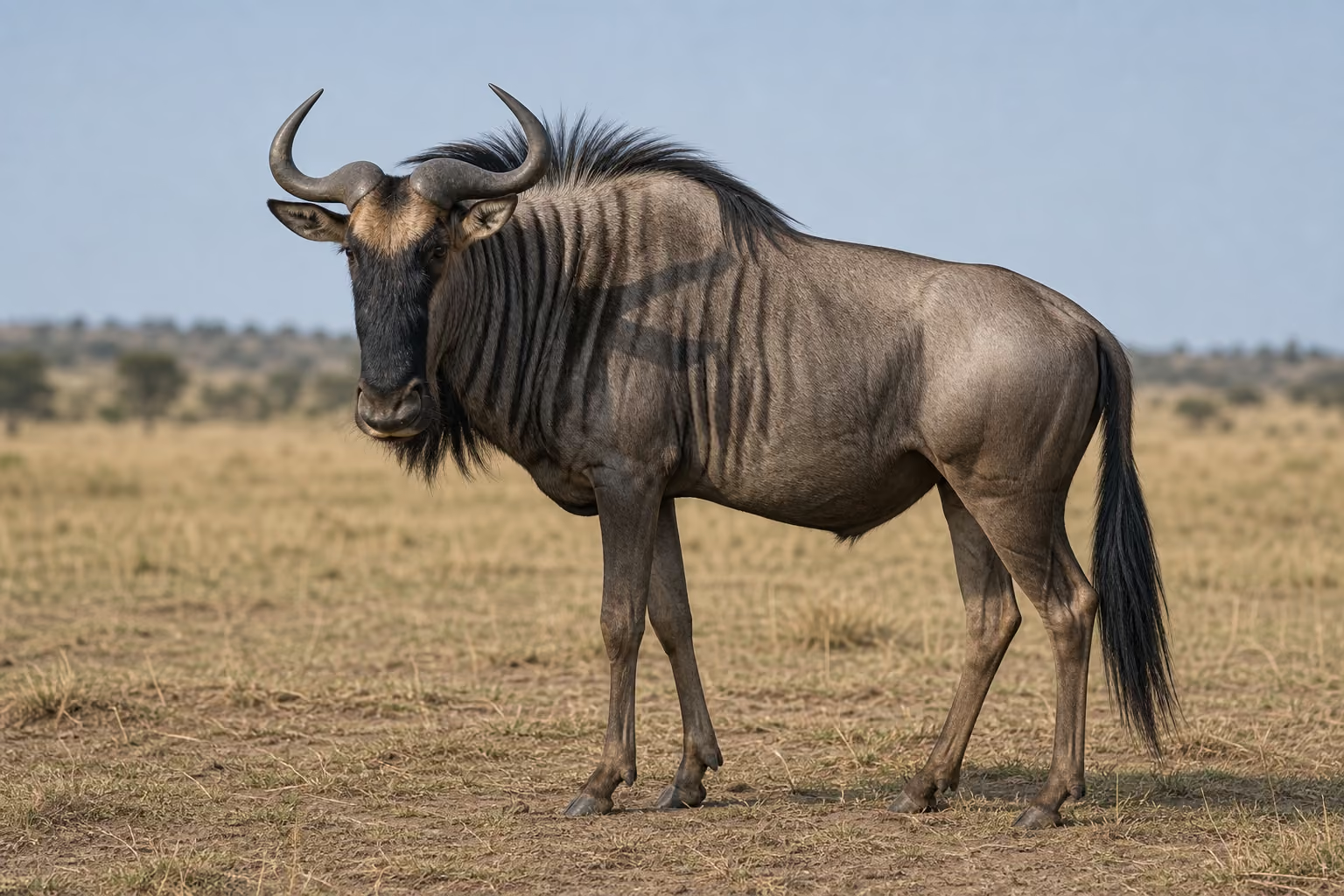
Blue wildebeest

Details

Blue wildebeest

Connochaetes taurinus

Size
1.7–2.4 m · 120–290 kg
Diet
Herbivore
Activity
Diurnal
Sociality
Herd
Lifespan

A large African antelope of open savannas, with a heavy head, high shoulders, and curved horns. It is famous for forming large moving herds.
Range

Habitat range map
Native range Occasional / Transient
AfrotropicalAfrotropicalAfrotropicalAfrotropical

Map: Ecoregions 2017 © RESOLVE (CC BY 4.0) · Natural Earth (PD)

Details

Habitat

Blue wildebeest use savannas, short-grass plains, and open areas with seasonal water. Their distribution closely follows grass growth and water availability.

Appearance

The coat is gray brown to bluish, with dark facial stripes and a mane. Both sexes carry horns that sweep outward and then inward.

Behavior

They live in herds and may migrate seasonally where landscapes remain open. Movements respond to rainfall, new grass, water, and predator pressure.

Feeding

They are primarily grazers of short grasses. After rains they seek fresh growth, and in dry seasons they concentrate near remaining water and pasture.

Reproduction

Males defend temporary territories during the rut. Calving is often synchronized, and calves stand quickly to move with the herd.

Notes

The species is globally Least Concern, but fences, land conversion, water changes, and blocked migration routes can affect regional populations.