159 Featured Specimen
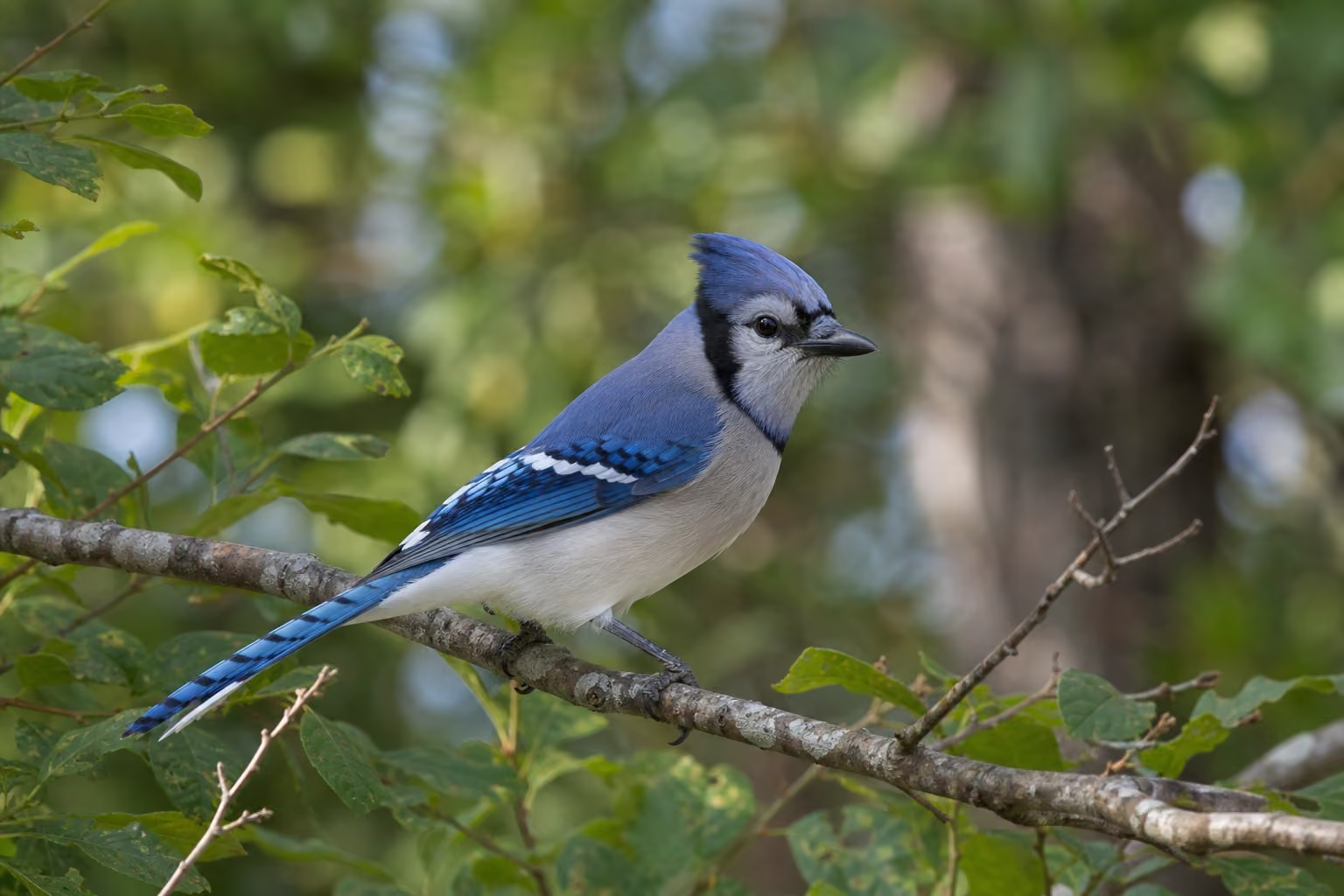
Blue jay

Details

Blue jay

Cyanocitta cristata

Size
Wingspan 34–43 cm · 70–100 g
Diet
Omnivore
Activity
Diurnal
Sociality
Loose group
Lifespan
8-25 years

The blue jay is a diurnal corvid of North American woods and wooded neighborhoods. Its loud calls and blue wings make it conspicuous, whether alone or in loose groups.
Range

Habitat range map
Native range Occasional / Transient
NearcticNearcticNearcticNearcticNearcticNearcticNearcticNearcticNearcticNearcticNearcticNearcticNearcticNearcticNearcticNearcticNearcticNearcticNearcticNearcticNearcticNearcticNearcticNearcticNearcticNearcticNearcticNearcticNearcticNearcticNearcticNearcticNearcticNearcticNearcticNearcticNearcticNearcticNearcticNearcticNearctic

Map: Ecoregions 2017 © RESOLVE (CC BY 4.0) · Natural Earth (PD)

Details

Habitat

It uses deciduous and mixed forest, parks, suburbs, and wooded edges. Tree cover with acorns, insects, and high lookout branches suits it well.

Appearance

Wingspan is about 34-43 cm and weight about 70-100 g. Blue wings and tail, a white face, black collar, and short crest are distinctive.

Behavior

Active by day, it moves through trees in pairs or loose flocks. It gives sharp alarm calls and often caches food for later use.

Feeding

It is omnivorous, eating acorns, seeds, fruit, insects, and other small foods. It forages both on the ground and through the canopy.

Reproduction

Pairs hold breeding territories and build cup nests in trees. Both adults may help gather material and feed the young.

Notes

Its status is listed as Least Concern. It adapts well near people, while local movements can follow forest structure and mast crops.