716 Featured Specimen
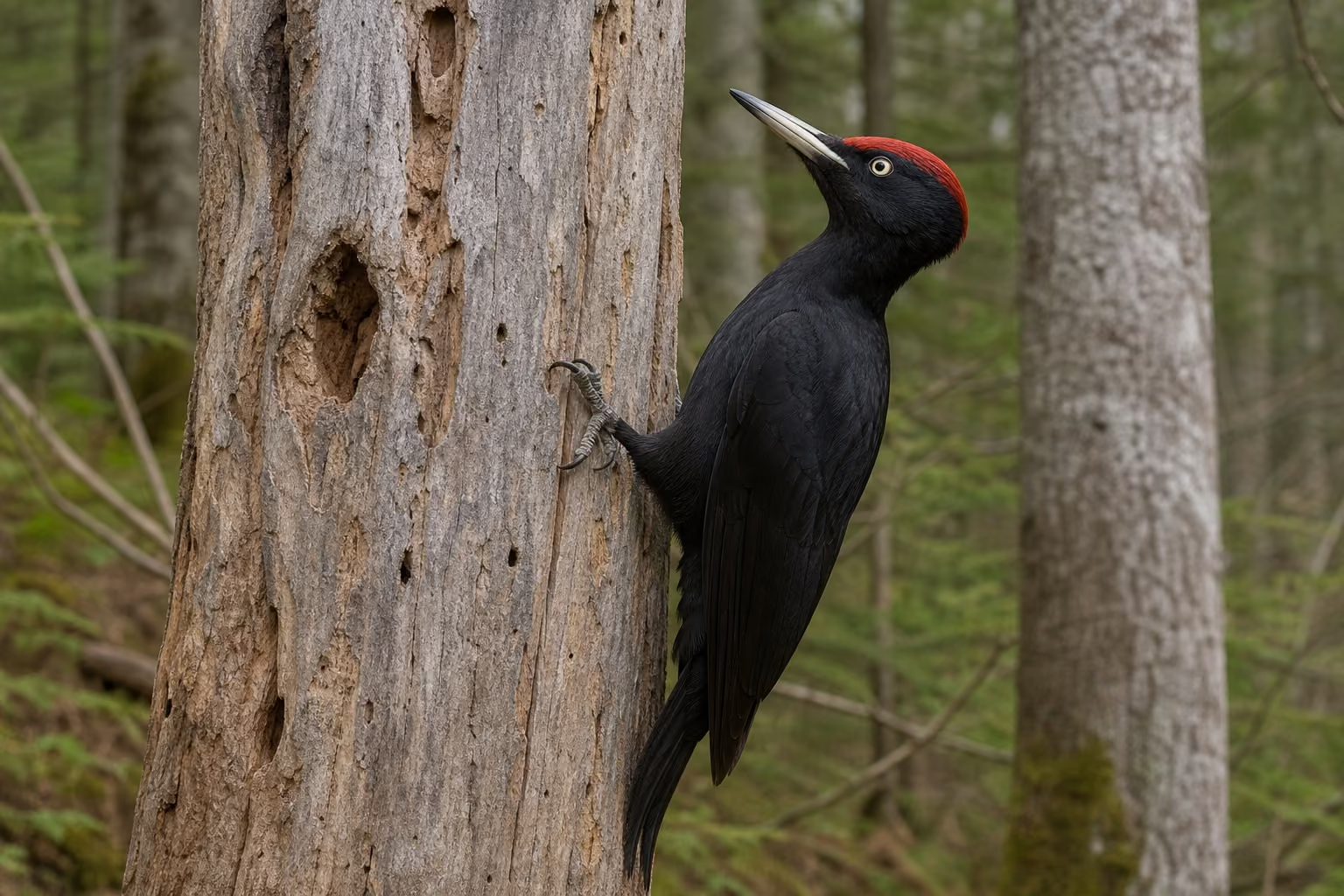
Black woodpecker

Details

Black woodpecker

Dryocopus martius

Size
45–57 cm · 250–400 g
Diet
Carnivore
Activity
Diurnal
Sociality
Solitary
Lifespan

A large black woodpecker of northern Eurasian forests, excavating big cavities that become important shelter for other wildlife.
Range

Habitat range map
Native range Occasional / Transient
PalearcticPalearcticPalearcticPalearcticPalearcticPalearcticPalearcticPalearcticPalearcticPalearcticPalearcticPalearcticPalearcticPalearcticPalearcticPalearcticPalearcticPalearcticPalearcticPalearcticPalearcticPalearcticPalearcticPalearctic

Map: Ecoregions 2017 © RESOLVE (CC BY 4.0) · Natural Earth (PD)

Details

Habitat

Lives in mature conifer, deciduous, and mixed forests within large wooded landscapes, using big trees and ant-rich dead wood.

Appearance

Plumage is black with red on the head. The bill is long and pale, and the bird is much larger than most European woodpeckers.

Behavior

It gives loud calls and powerful drumming, chiseling trunks and dead wood to reach ants and beetle larvae.

Feeding

Large ants, beetle larvae, and insects inside dead wood form the main diet, extracted from deep holes with a long tongue.

Reproduction

Large nest cavities are cut into thick trunks. Old holes are reused by owls, ducks, martens, and many other animals.

Notes

Globally low-risk, but shortage of mature forest and dead wood can lower local density. It is an important ecosystem engineer.