708 Featured Specimen
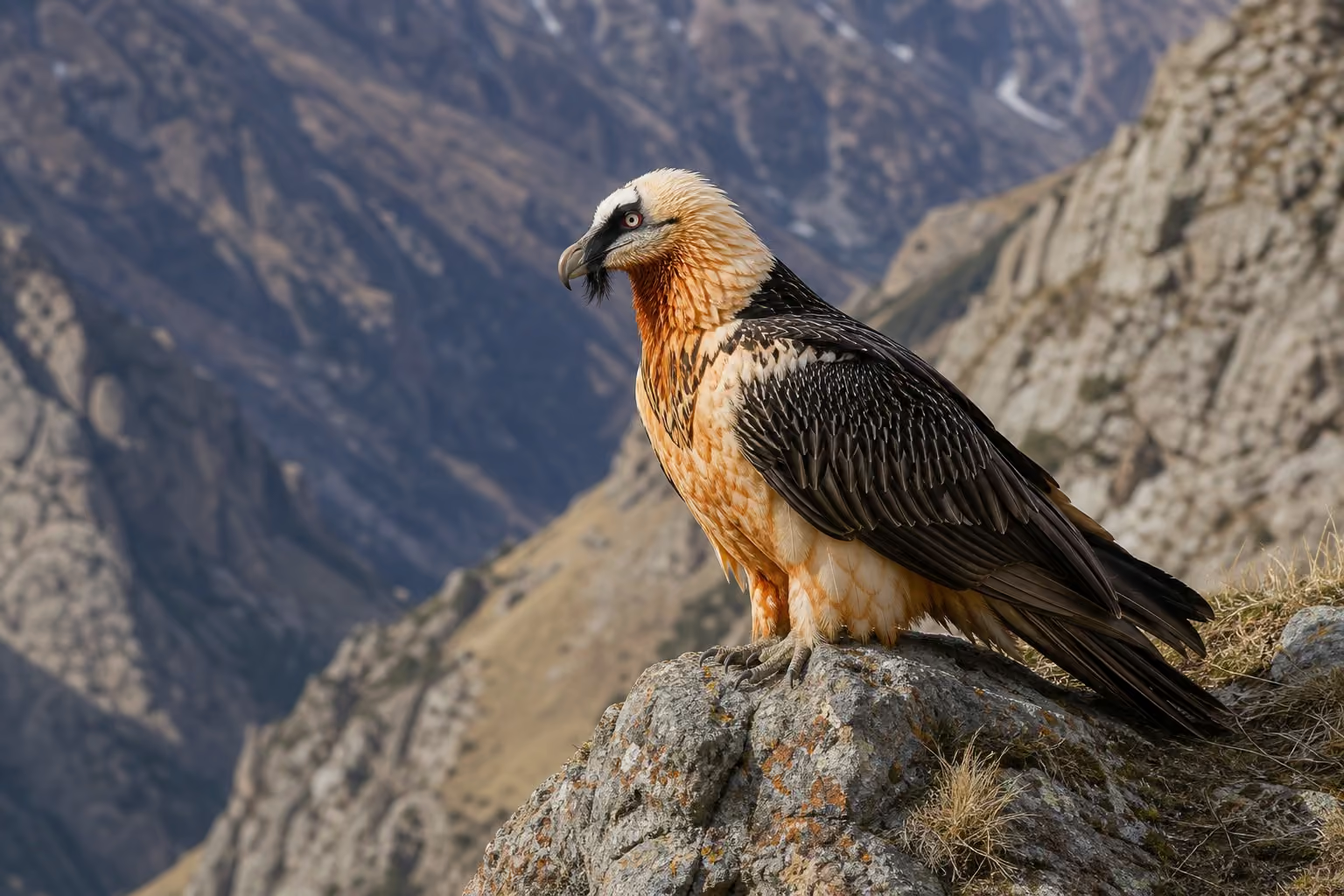
Bearded vulture

Details

Bearded vulture

Gypaetus barbatus

Size
0.9–1.3 m · 4.5–7.8 kg
Diet
Carnivore
Activity
Diurnal
Sociality
Solitary
Lifespan

A huge mountain vulture with a specialized bone diet, often dropping bones onto rocks to break them.
Range

Habitat range map
Native range Occasional / Transient
PalearcticPalearcticPalearcticPalearcticPalearcticPalearcticPalearcticPalearcticPalearcticPalearcticPalearcticPalearcticPalearcticPalearcticPalearcticPalearcticPalearcticPalearcticPalearcticPalearcticPalearcticPalearcticPalearcticPalearcticAfrotropicalAfrotropicalAfrotropicalAfrotropicalIndomalayanIndomalayanIndomalayanIndomalayanIndomalayanIndomalayanIndomalayanIndomalayanIndomalayanIndomalayanIndomalayanIndomalayanIndomalayanIndomalayanIndomalayan

Map: Ecoregions 2017 © RESOLVE (CC BY 4.0) · Natural Earth (PD)

Details

Habitat

Lives in high mountains, dry gorges, cliffs, and rocky grasslands, nesting on large undisturbed cliff faces.

Appearance

Long narrow wings, a wedge-shaped tail, and dark beard-like facial feathers are distinctive. The underparts may be stained orange by iron-rich soil.

Behavior

It glides over broad mountain ranges searching for bones and carrion. Large bones may be dropped from the air onto rocks.

Feeding

Bones and marrow form most of the diet. Hard fragments are swallowed and digested by powerful stomach acids.

Reproduction

Large nests are placed on cliff ledges, with breeding starting in winter or early spring. Pairs use very large home ranges.

Notes

Poisoning, lead ammunition, collisions with wires or turbines, and changes in carrion availability keep it near-threatened.