010 Featured Specimen
Bald eagle

Details

Bald eagle

Haliaeetus leucocephalus

Size
0.7–1 m · 3–6.3 kg
Diet
Carnivore
Activity
Diurnal
Sociality
Pair
Lifespan
20–30 years

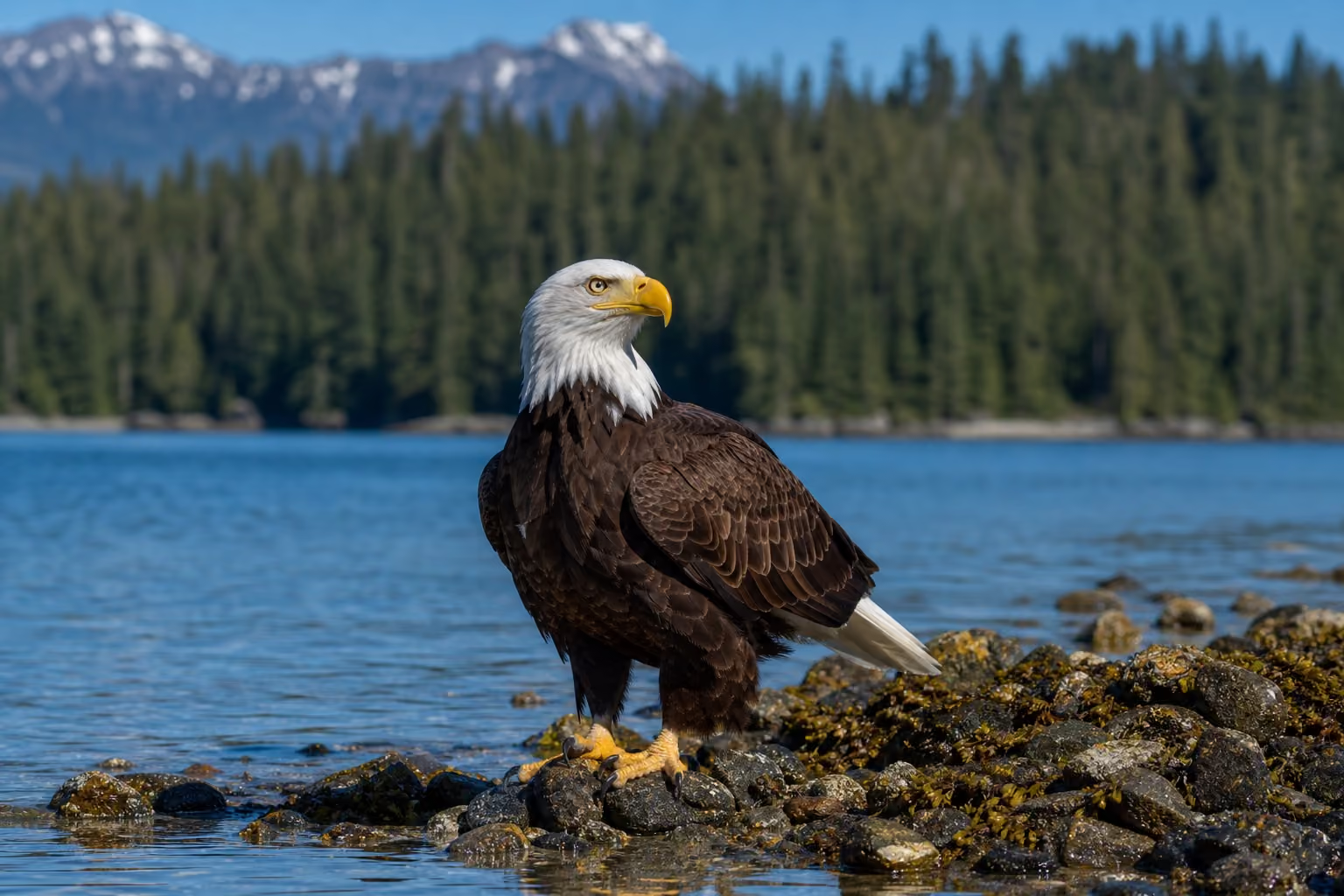
North America's iconic sea eagle, instantly known by its snow-white head and tail and massive yellow beak. It soars over open water and snatches fish from the surface with its talons, and serves as the national bird of the United States.
Range

Habitat range map
Native range Occasional / Transient

Map: Ecoregions 2017 © RESOLVE (CC BY 4.0) · Natural Earth (PD)

Details

Habitat

A Nearctic raptor ranging from Canada and Alaska through the contiguous United States to northern Mexico. It needs large open bodies of water rich in prey alongside old-growth trees tall enough for its enormous nests.

Appearance

Body length runs 70–100 cm with a wingspan near 2 m. Adults are dark brown with a pure-white head and tail, a hooked yellow beak, and yellow feet and eyes. Females are about 25% larger than males, weighing 3–6.3 kg; juveniles stay mottled brown until the white head appears around their fifth year.

Behavior

Pairs bond strongly and mate for life. A powerful flier, it rides thermals to great heights, glides at 56–70 km/h, and stoops at 120–160 km/h. Northern birds migrate south when their waters freeze over in winter.

Feeding

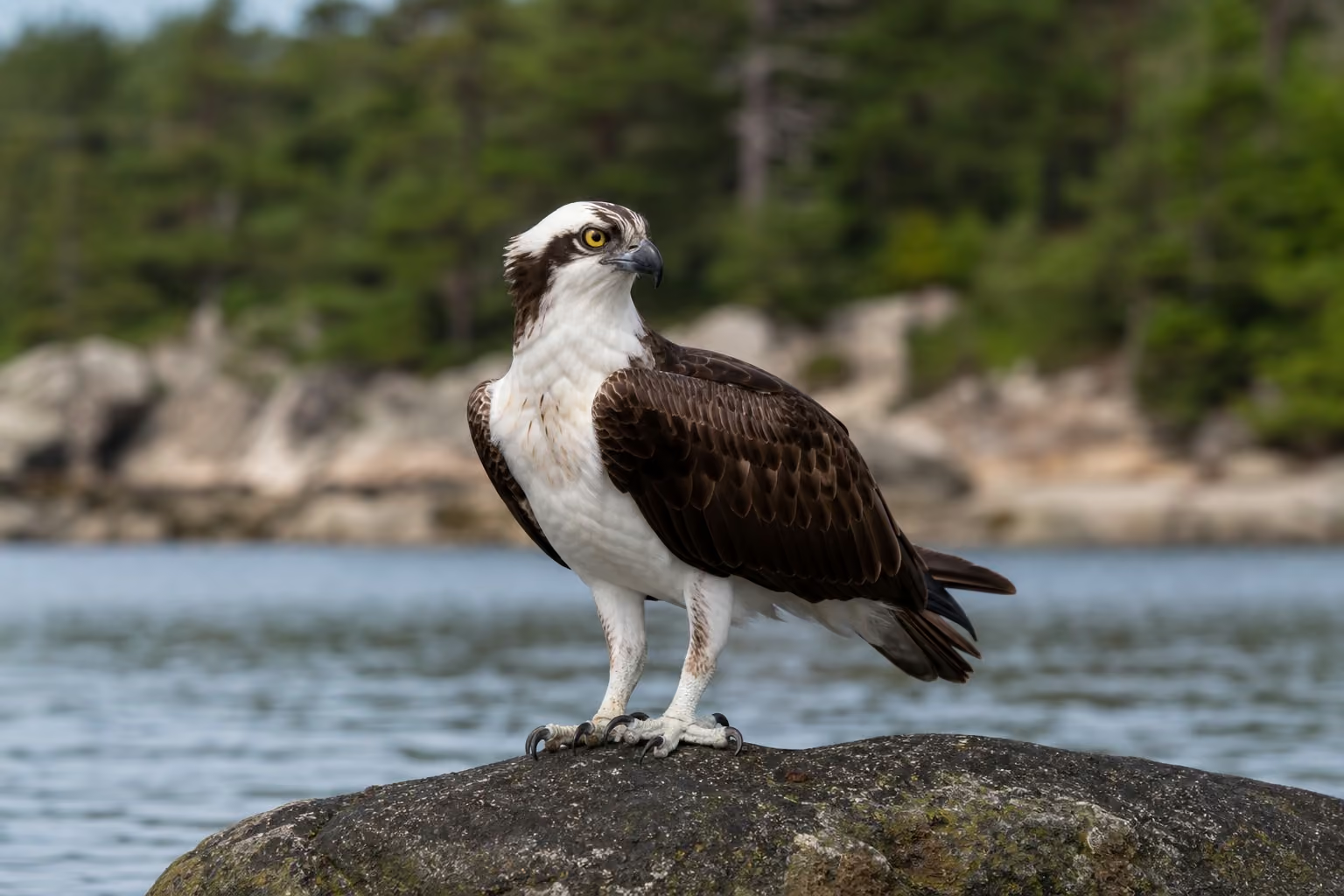
A carnivore that favors fish above all, swooping low to grasp prey from the surface with talons built to grip. It also takes waterfowl, mammals, and reptiles, scavenges carrion, and frequently robs other birds such as ospreys of their catch.

Reproduction

Monogamous, it builds the largest nest of any North American bird, some reaching 4 m deep and a metric ton in weight. A clutch is usually one to two eggs, and chicks fledge 8–14 weeks after hatching. Birds reach maturity at four to five years.

Notes

Once driven to the brink by hunting and the pesticide DDT, the species rebounded after both were banned and was removed from the U.S. endangered species list in 2007. Vehicle strikes and lead poisoning remain leading causes of death today.