860 Featured Specimen
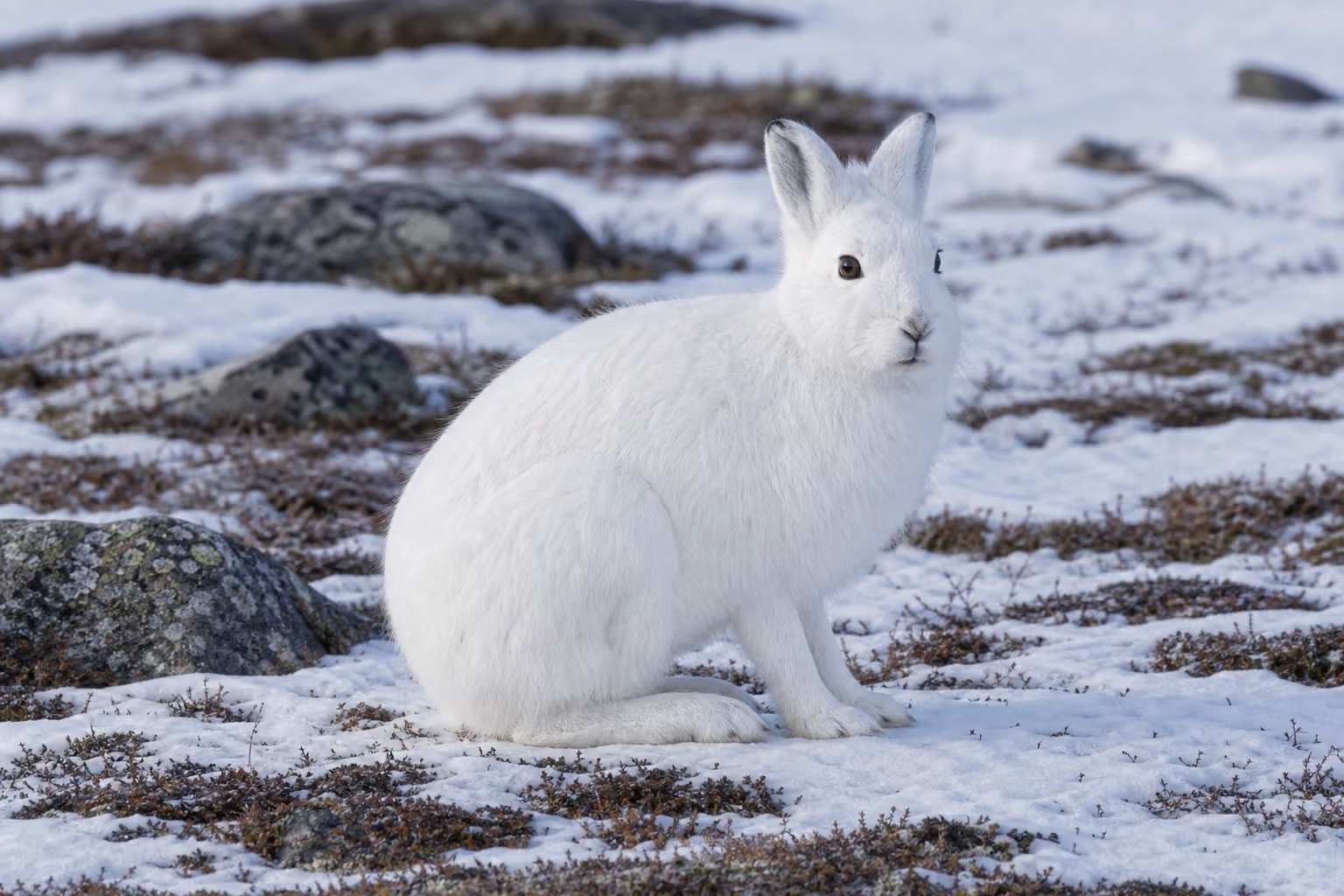
Arctic hare

Details

Arctic hare

Lepus arcticus

Size
48–67 cm · 2.5–7 kg
Diet
Herbivore
Activity
Crepuscular
Sociality
Loose group
Lifespan

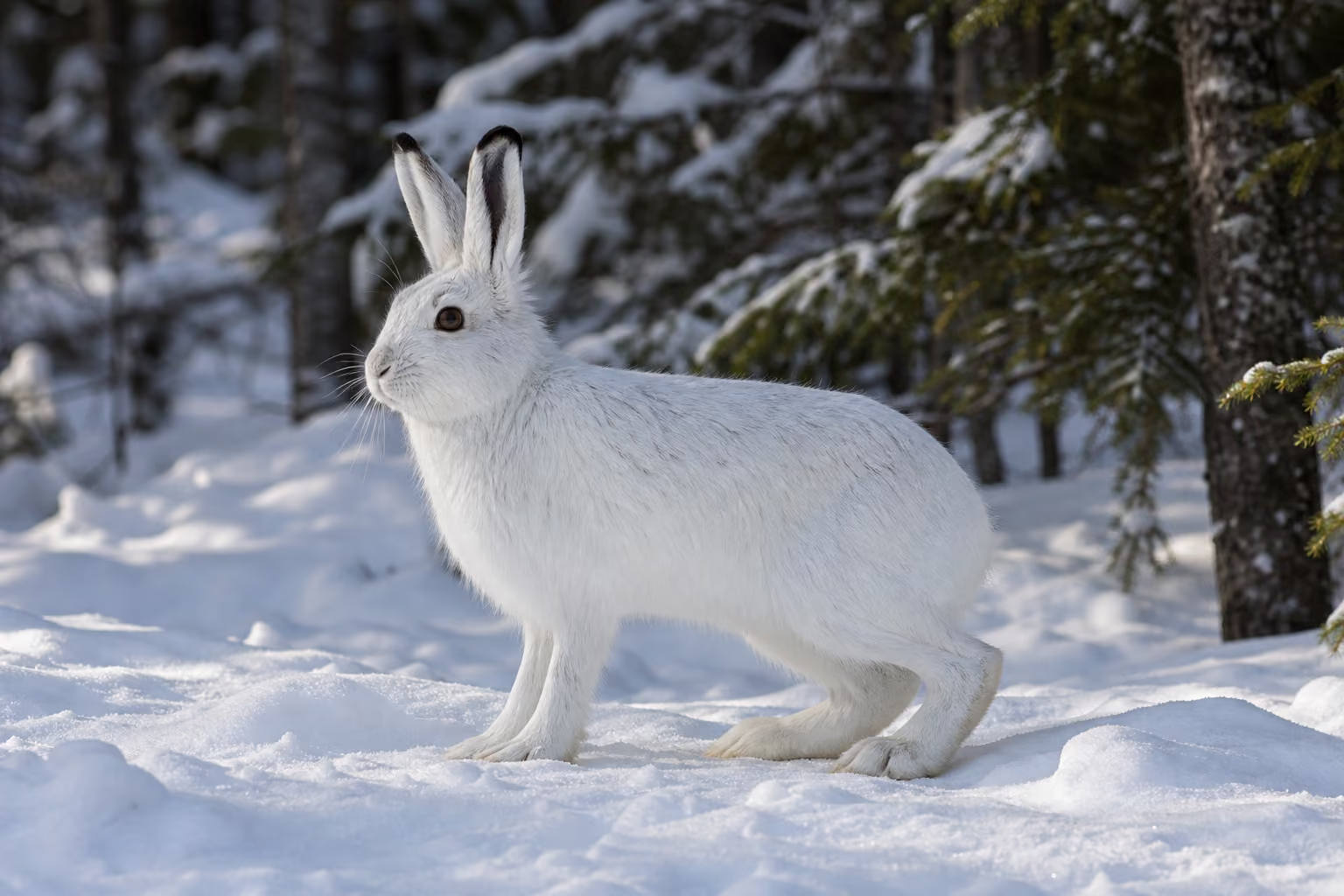
Arctic hare is a large hare of Arctic tundra whose white winter coat blends into snow. It is important prey for Arctic foxes, wolves, and raptors.
Range

Habitat range map
Native range Occasional / Transient
NearcticNearcticNearcticNearcticNearcticNearcticNearcticNearcticNearcticNearcticNearcticNearcticNearcticNearcticNearcticNearcticNearcticNearcticNearcticNearcticNearcticNearcticNearcticNearcticNearcticNearcticNearcticNearcticNearcticNearcticNearcticNearcticNearcticNearcticNearcticNearcticNearcticNearcticNearcticNearcticNearctic

Map: Ecoregions 2017 © RESOLVE (CC BY 4.0) · Natural Earth (PD)

Details

Habitat

It inhabits tundra, rocky slopes, and low grassland in northern Canada, Greenland, and Arctic islands. Main habitat types in this guide are polar, grassland.

Appearance

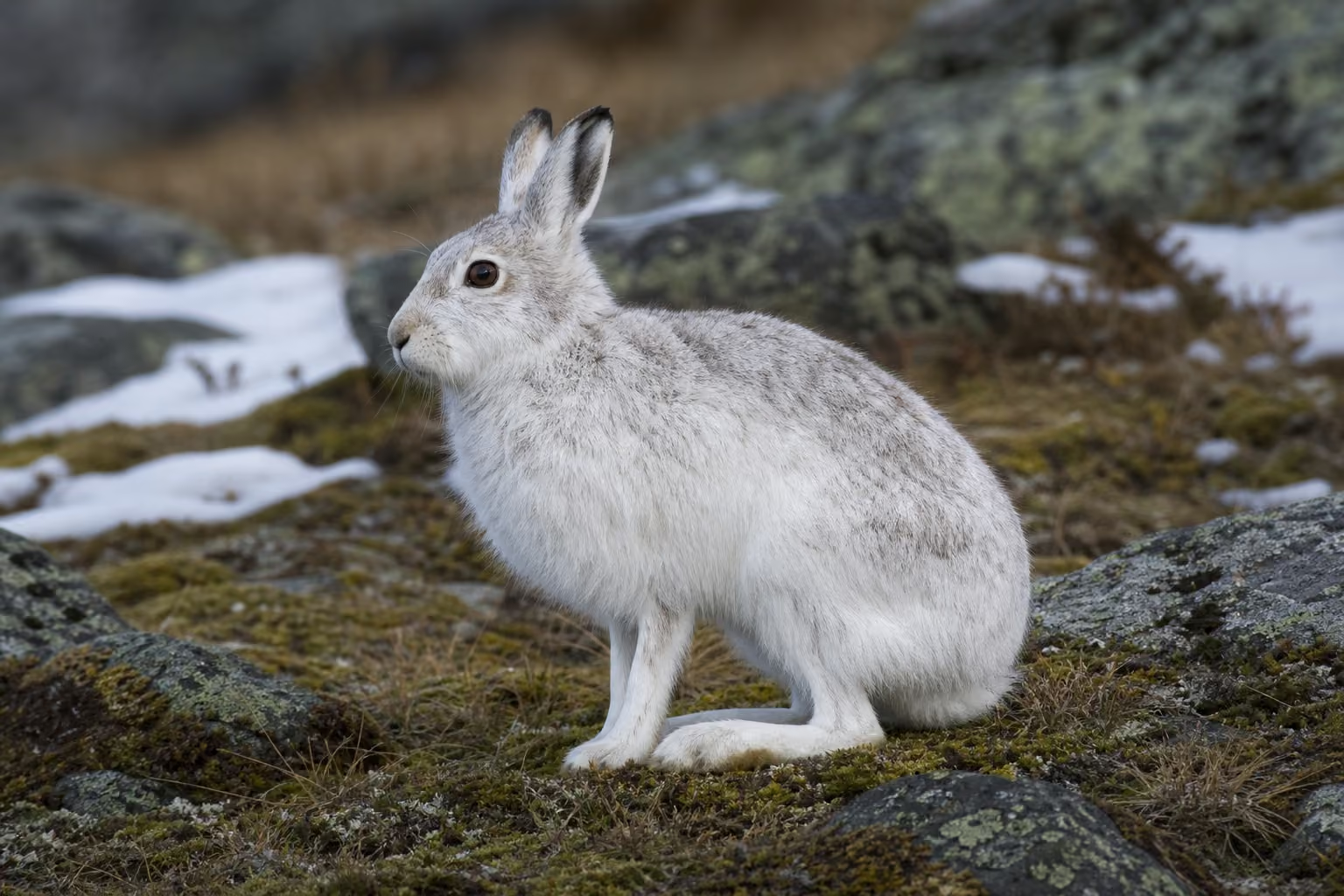
Typical length 48-67 cm, weight 2.5 kg-7 kg. Short ears, powerful hind legs, and seasonally changing fur, often white in winter, are distinctive.

Behavior

It is most active around dawn and dusk and often found in loose groups. It digs through snow for plants and may gather in large numbers at feeding sites.

Feeding

It is herbivorous. Willow, grasses, mosses, lichens, and shrub buds are eaten.

Reproduction

Young are born in spring or summer with fur and become mobile relatively quickly.

Notes

Although still widespread in places, it remains sensitive to habitat change. It is important prey for Arctic foxes, wolves, and raptors.