Details
Vicuña
Vicugna vicugna
- Size
- 1.3–1.9 m · 35–65 kg
- Diet
- Herbivore
- Activity
- Diurnal
- Sociality
- Herd
- Lifespan
- —
A small wild camelid of the high Andes, famous for extremely fine wool and recovery through conservation management.
View in catalogDetails
Vicugna vicugna
A small wild camelid of the high Andes, famous for extremely fine wool and recovery through conservation management.
View in catalogMap: Ecoregions 2017 © RESOLVE (CC BY 4.0) · Natural Earth (PD)
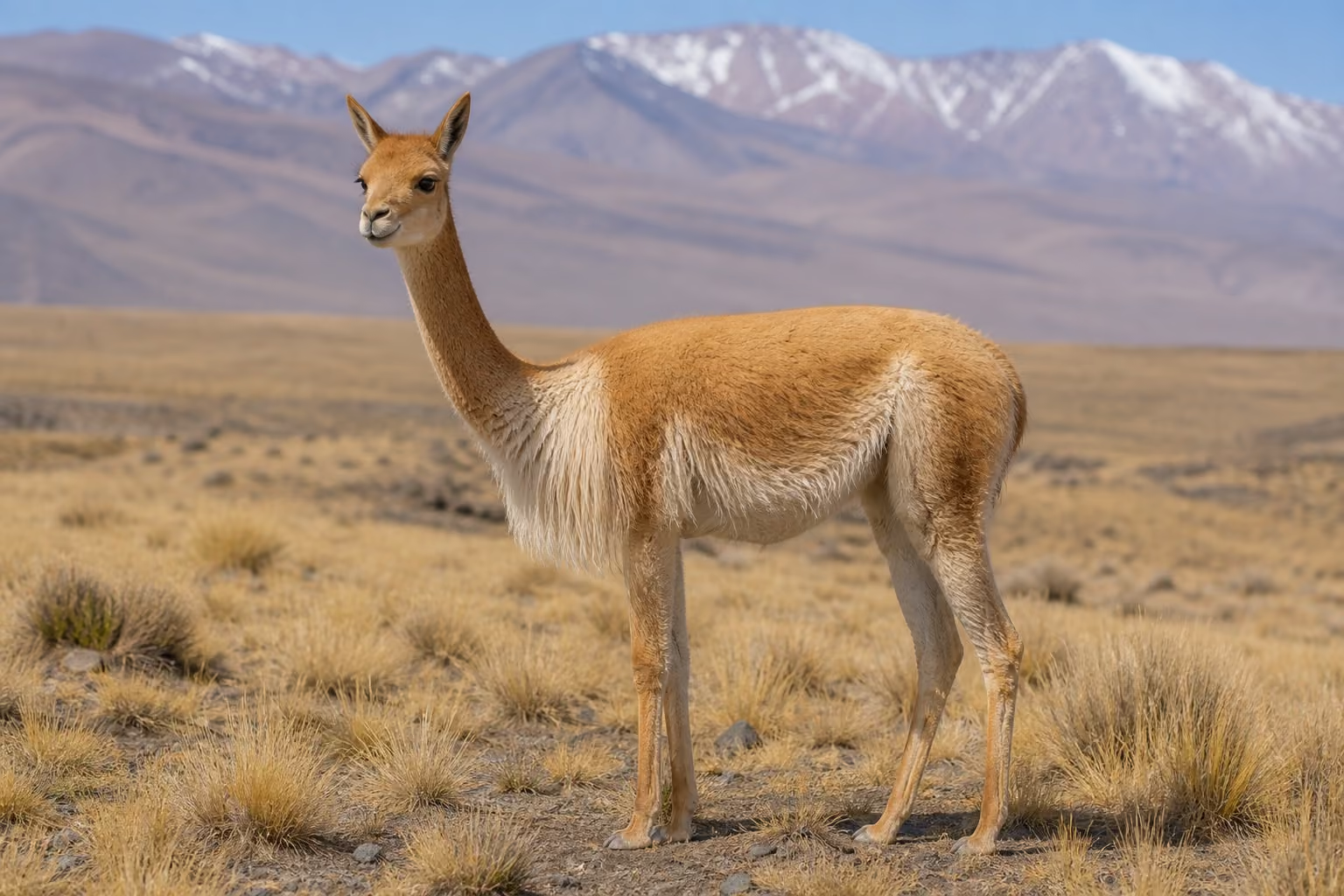
Vicuñas live in high Andean grassland, puna, and dry uplands of Peru, Bolivia, Chile, and Argentina. Water and short grazing areas are important.
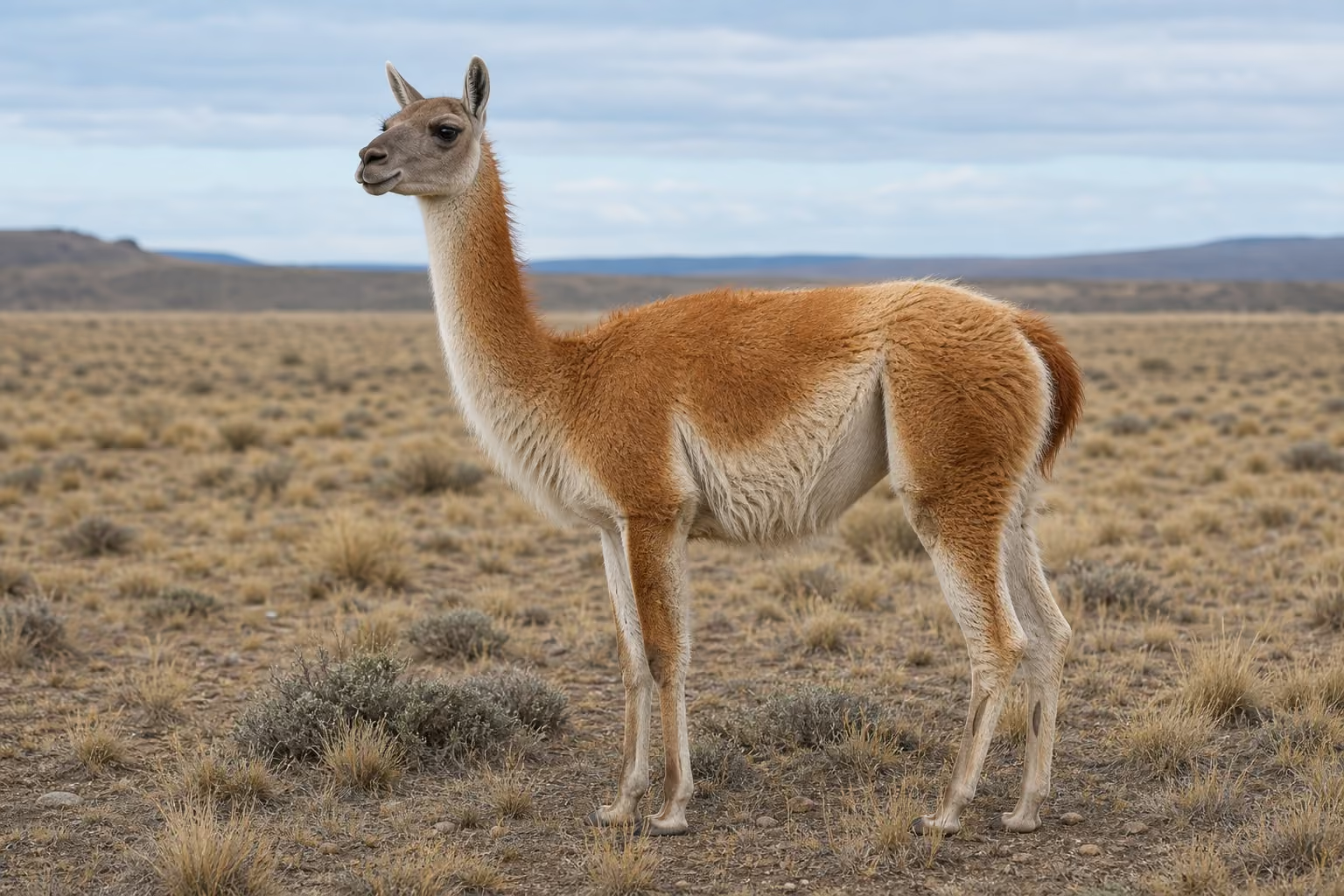
They have pale tawny bodies, white chest fur, and long slender necks and legs. They are smaller and lighter than alpacas.
They forage by day in family groups and bachelor groups. Open terrain supports vigilance, and alarmed animals run swiftly.
They graze selectively on short grasses, herbs, and low plants. Efficient foraging helps them persist in sparse highland vegetation.
Females bear single young within family groups. Territorial males defend family groups and grazing areas.
Once heavily depleted by hunting, vicuñas became a notable conservation success through protection and regulated fiber harvest.