Snowshoe hare

Details

Snowshoe hare

Lepus americanus

Size
41–52 cm · 0.9–1.8 kg
Diet
Herbivore
Activity
Nocturnal
Sociality
Solitary
Lifespan

A North American hare of boreal forests, with large hind feet for snow and a coat that changes color with the seasons.

View in catalog
Key facts

  • Snowshoe hare (Lepus americanus) is a herbivore animal classified as Mammal · Lagomorpha · Leporidae.
  • Primary habitats are forest · polar · grassland, with a range across Nearctic.
  • Activity is nocturnal, sociality is solitary, and conservation status is LC (Least Concern).
  • A North American hare of boreal forests, with large hind feet for snow and a coat that changes color with the seasons.
  • Lives in boreal forest, young conifers, dense shrub edges, and wet woods with thick understory cover.

Range

Habitat range map
Native rangeOccasional / Transient
NearcticNearcticNearcticNearcticNearcticNearcticNearcticNearcticNearcticNearcticNearcticNearcticNearcticNearcticNearcticNearcticNearcticNearcticNearcticNearcticNearcticNearcticNearcticNearcticNearcticNearcticNearcticNearcticNearcticNearcticNearcticNearcticNearcticNearcticNearcticNearcticNearcticNearcticNearcticNearcticNearctic

Map: Ecoregions 2017 © RESOLVE (CC BY 4.0) · Natural Earth (PD)

Details

Habitat

Lives in boreal forest, young conifers, dense shrub edges, and wet woods with thick understory cover.

Appearance

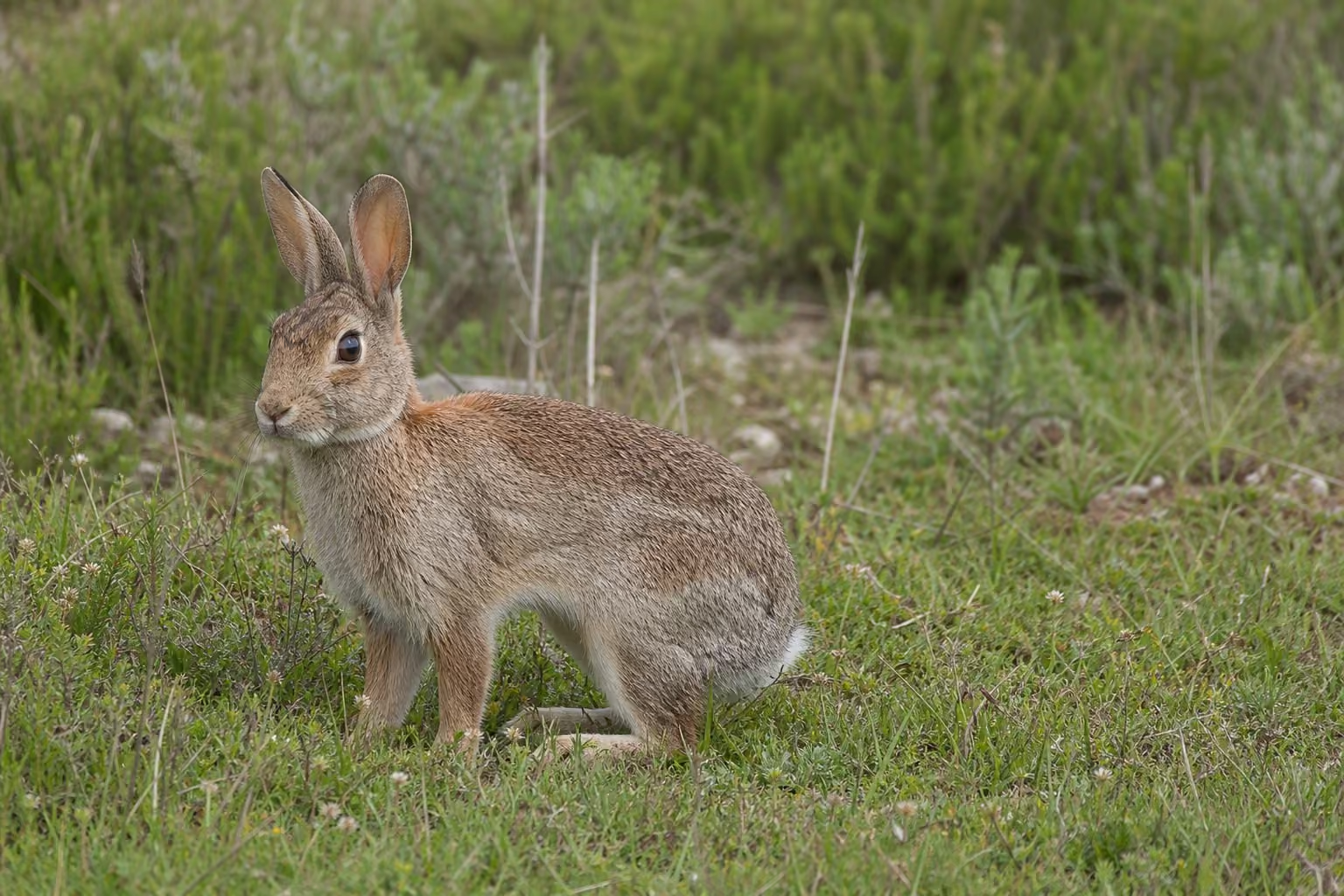
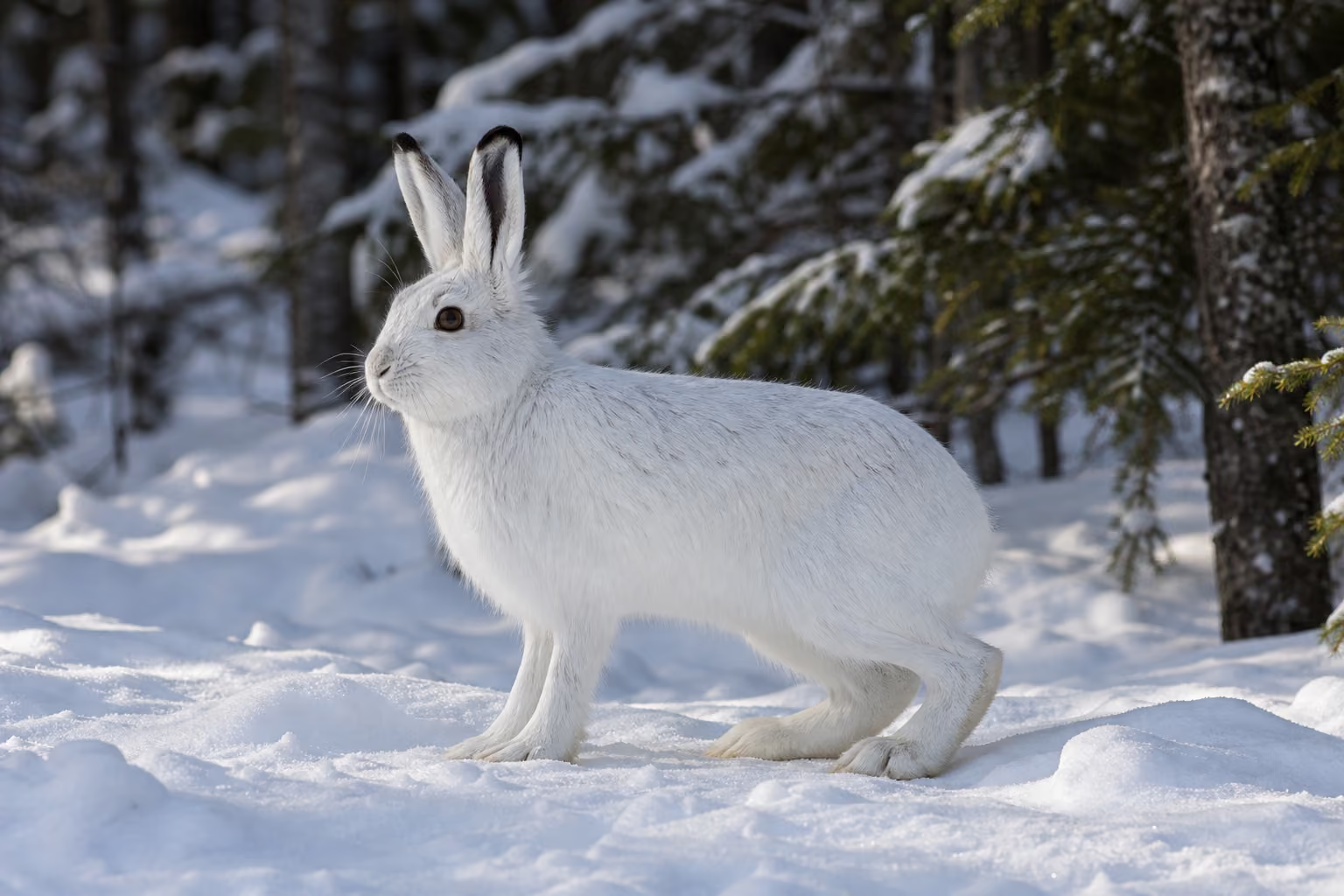
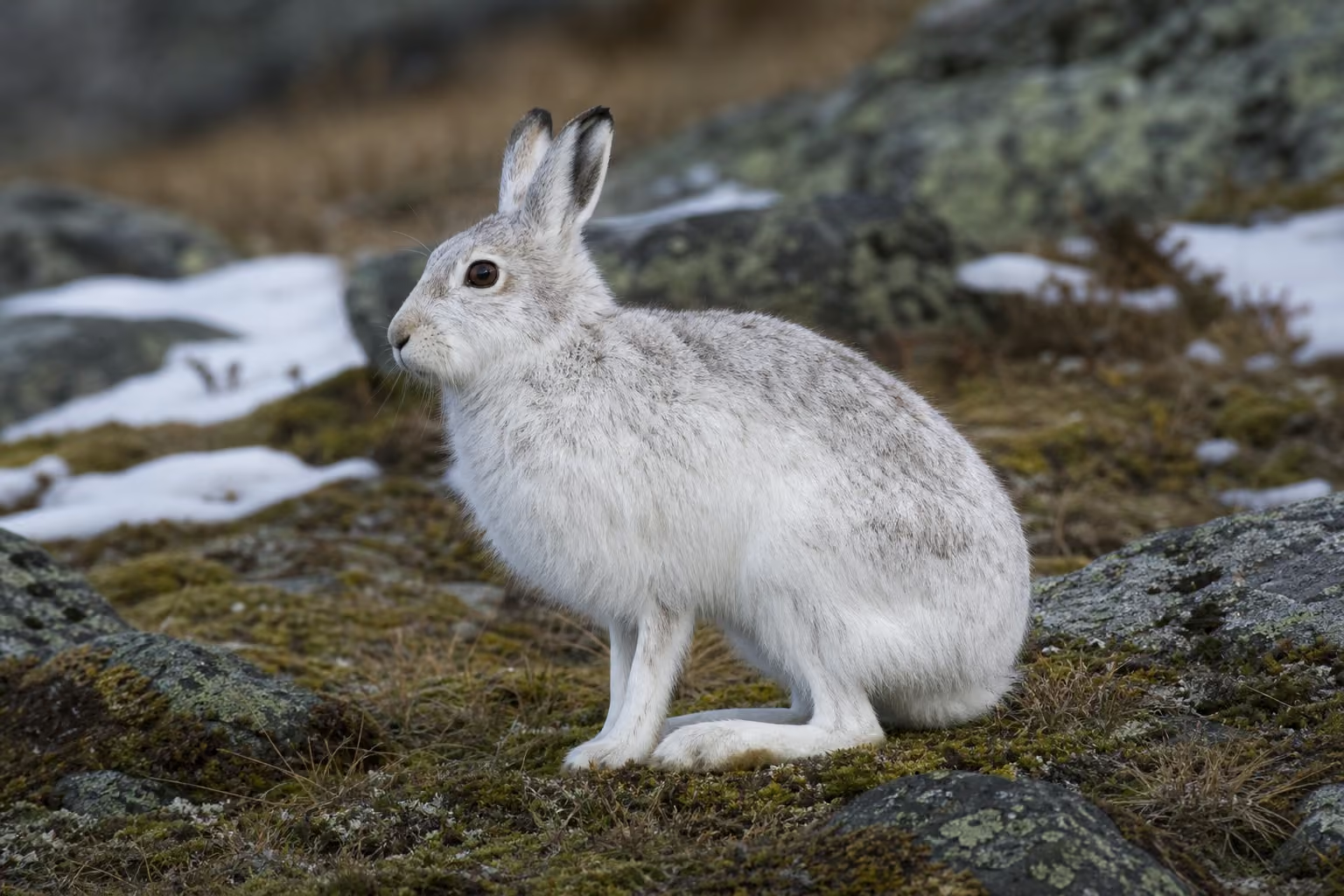
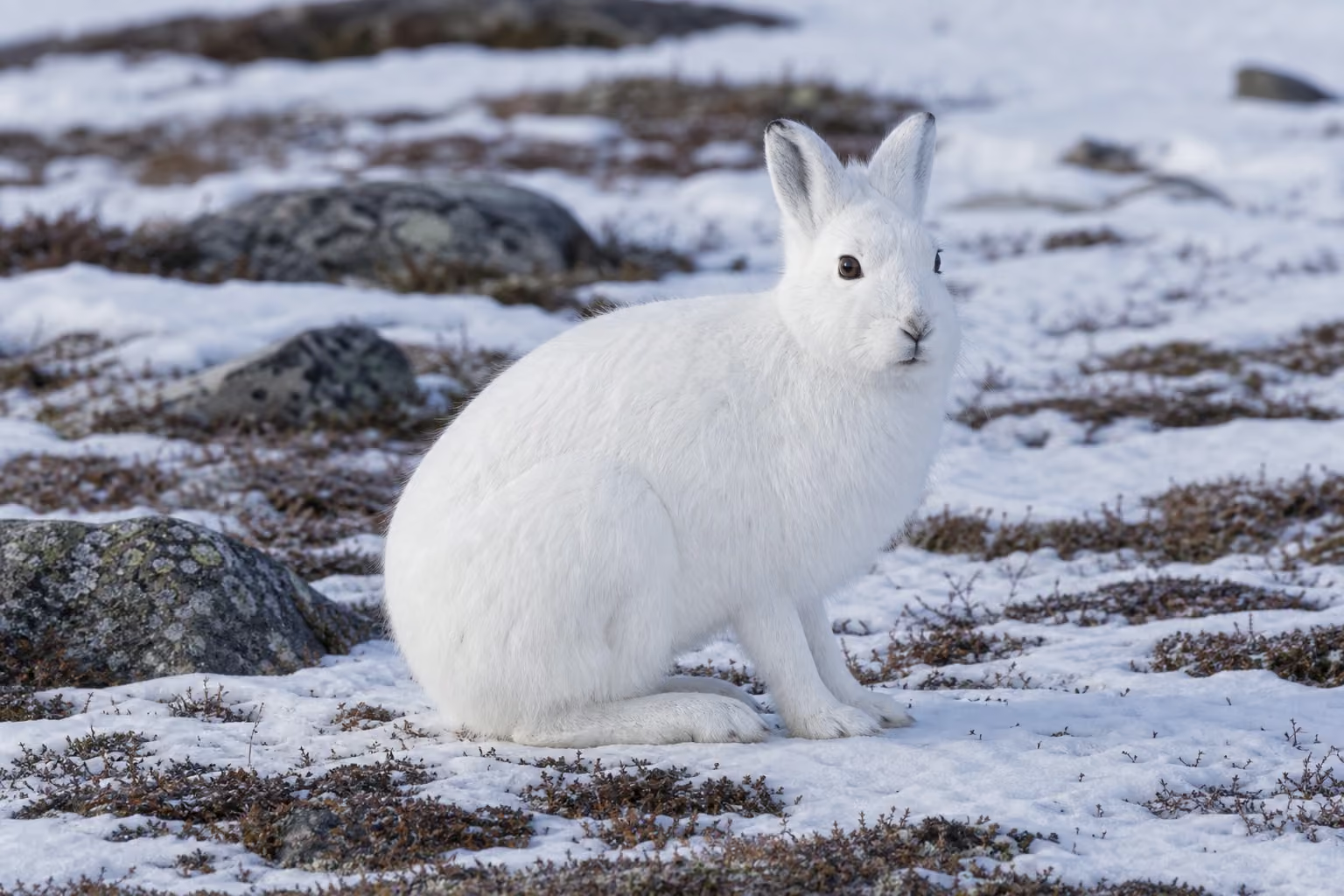
The coat is brown in summer and white in winter across much of the range. Large furred hind feet and black ear tips are distinctive.

Behavior

Mostly nocturnal, it follows runways through cover. Populations fluctuate strongly in cycles linked with predators.

Feeding

Herbs, leaves, and shoots are eaten in summer, while twigs, bark, and conifer foliage are browsed in winter.

Reproduction

Young are born in shallow ground forms. They are furred at birth and can move independently soon afterward.

Notes

Globally low-risk; changing snow seasons can increase mismatch between white winter coats and darker ground.