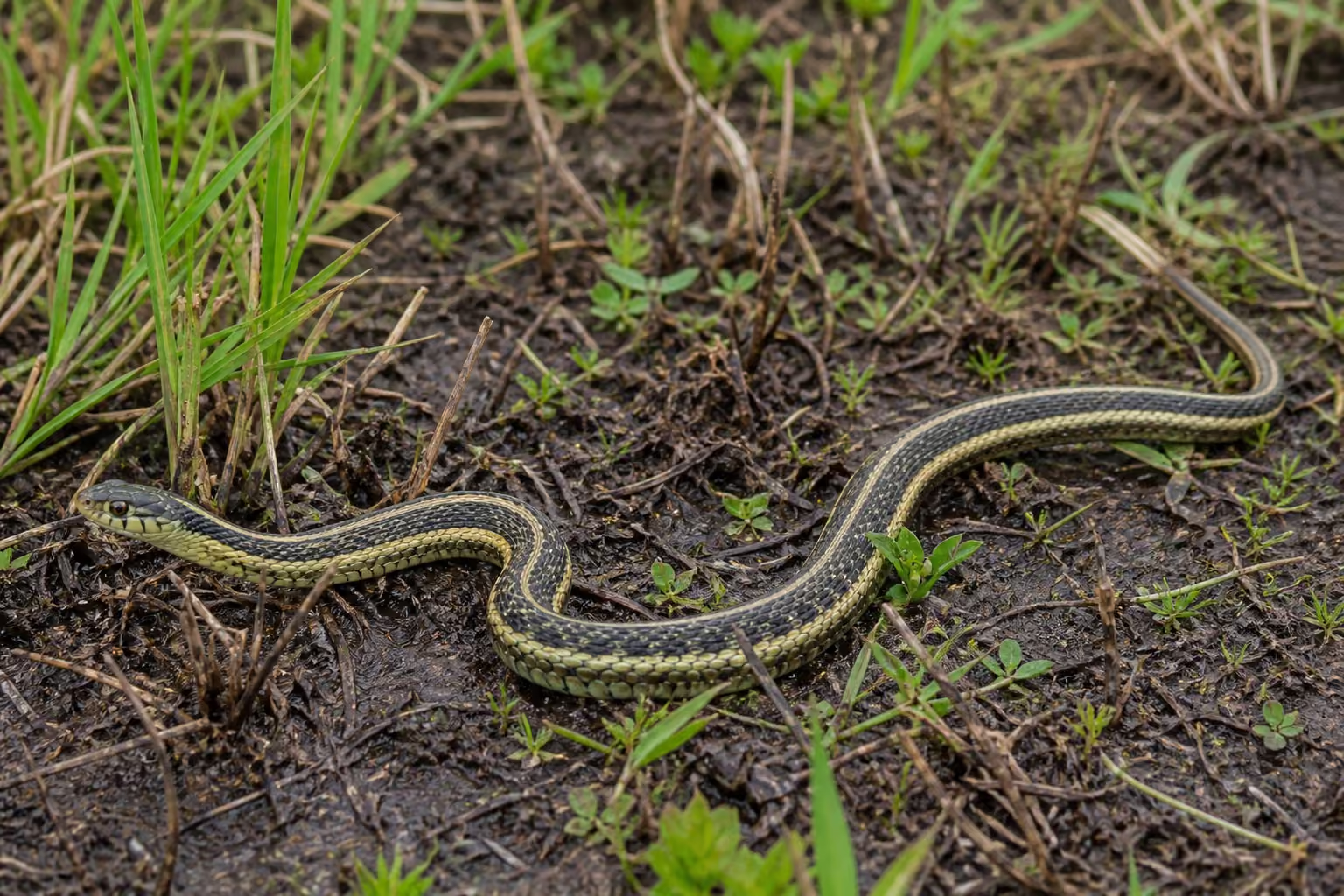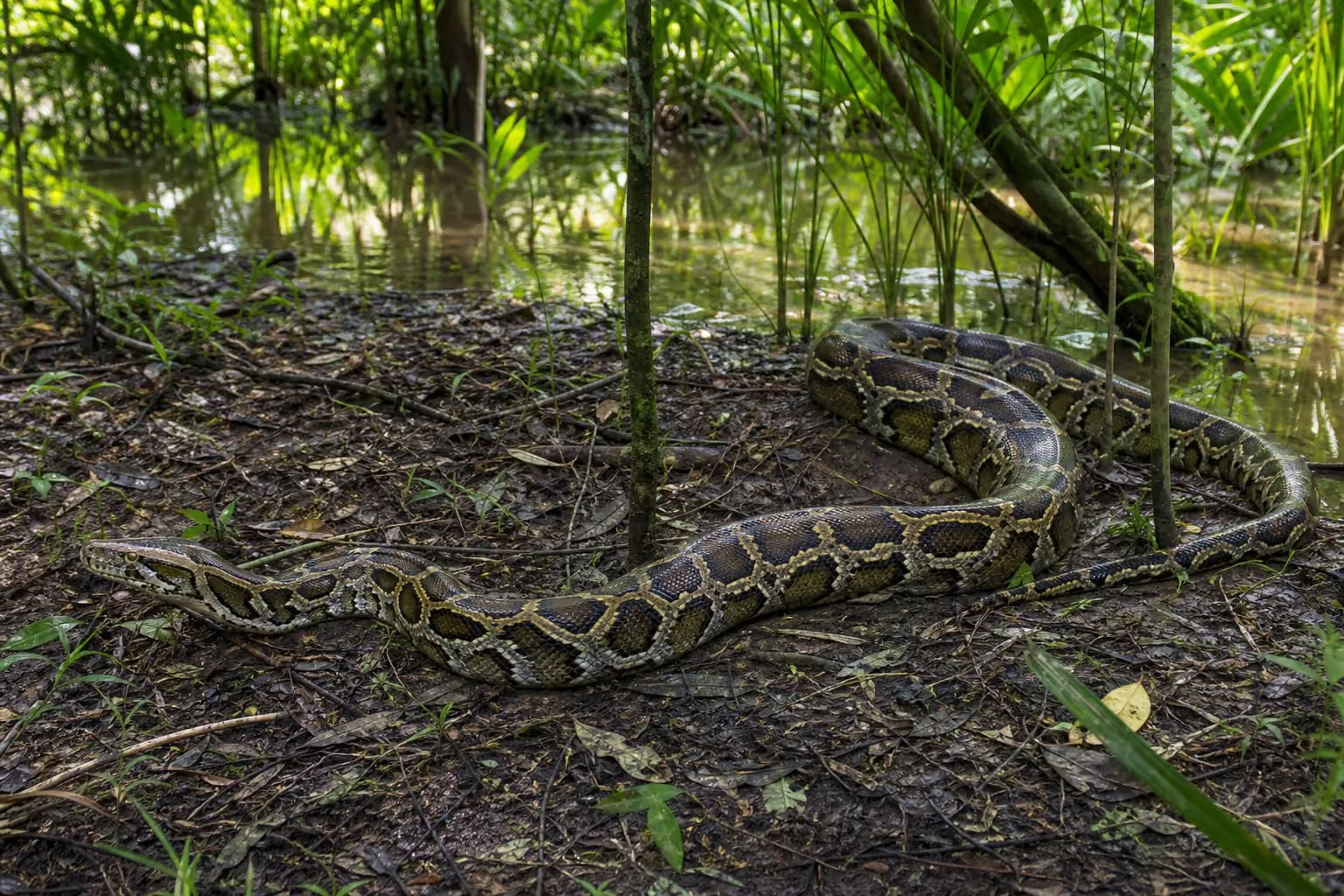
Burmese python

Details

Burmese python

Python bivittatus

Size
Total length 2.5–5.8 m · 30–90 kg
Diet
Carnivore
Activity
Nocturnal
Sociality
Solitary
Lifespan
20–25 years

The Burmese python is a very large python of Southeast Asia. It hunts alone at night, ambushing prey and overpowering it by constriction.

View in catalog
Key facts

  • Burmese python (Python bivittatus) is a carnivore animal classified as Reptile · Squamata · Pythonidae.
  • Primary habitats are forest · grassland · freshwater, with a range across Indomalayan.
  • Activity is nocturnal, sociality is solitary, and conservation status is VU (Vulnerable).
  • The Burmese python is a very large python of Southeast Asia.
  • It inhabits Indomalayan forest, grassland, wetlands, and freshwater habitats.
  • Typical lifespan: 20–25 years

Range

Habitat range map
Native rangeOccasional / Transient
IndomalayanIndomalayanIndomalayanIndomalayanIndomalayanIndomalayanIndomalayanIndomalayanIndomalayanIndomalayanIndomalayanIndomalayanIndomalayanIndomalayanIndomalayan

Map: Ecoregions 2017 © RESOLVE (CC BY 4.0) · Natural Earth (PD)

Details

Habitat

It inhabits Indomalayan forest, grassland, wetlands, and freshwater habitats. It favors water edges, swims well, and uses dense cover for shelter.

Appearance

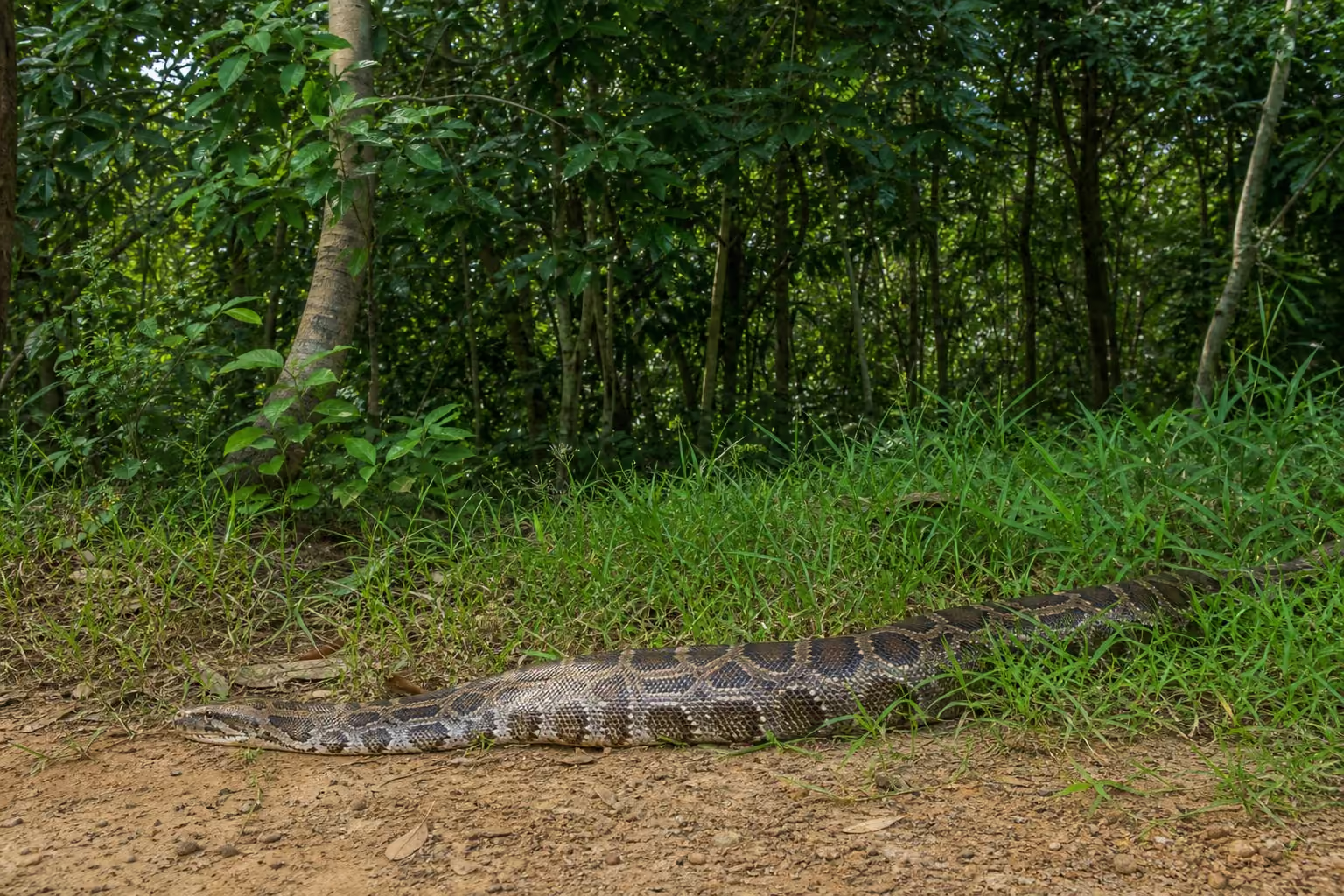
Total length 250-580 cm; weight 30-90 kg. The brown body has large dark blotches, and the head often shows an arrowhead pattern. The body is thick and muscular.

Behavior

Nocturnal and solitary, it waits in cover and strikes from close range. Coils tighten around prey until it can no longer breathe.

Feeding

A carnivore, it eats birds, mammals, and reptiles. Large meals are swallowed whole and followed by long digestion.

Reproduction

Females lay eggs and coil around them for protection. Muscle contractions can help warm the clutch.

Notes

It is listed as Vulnerable. Collection and habitat loss affect native populations, while introduced populations can harm native wildlife.